


Whimsy is the word of the moment. It’s taken over our content and seeped into our homes, closets, kitchens, and rituals. Everywhere you look, someone is decoding the art of ‘living whimsically.’ And honestly? I am 100% here for it.
I guess that’s pretty obvious, given that the name of this newsletter is A Whimsical World. I love whimsy, clearly, but I also firmly believe the world needs more of it.
Now more than ever.
Later on, we are going to get into the Big List of Whimsical Artists—a deep dive that I’ve been working on for months. It features some incredible contributions from writers like Ali LaBelle, Jenna O'Brien, Jada De Luca, Rose Florence, Cool Stories About Art, and surrealist covens. All Whimsical writers you MUST check out ASAP.
But first... a primer on whimsy. What it means and why it has captured our collective imagination:
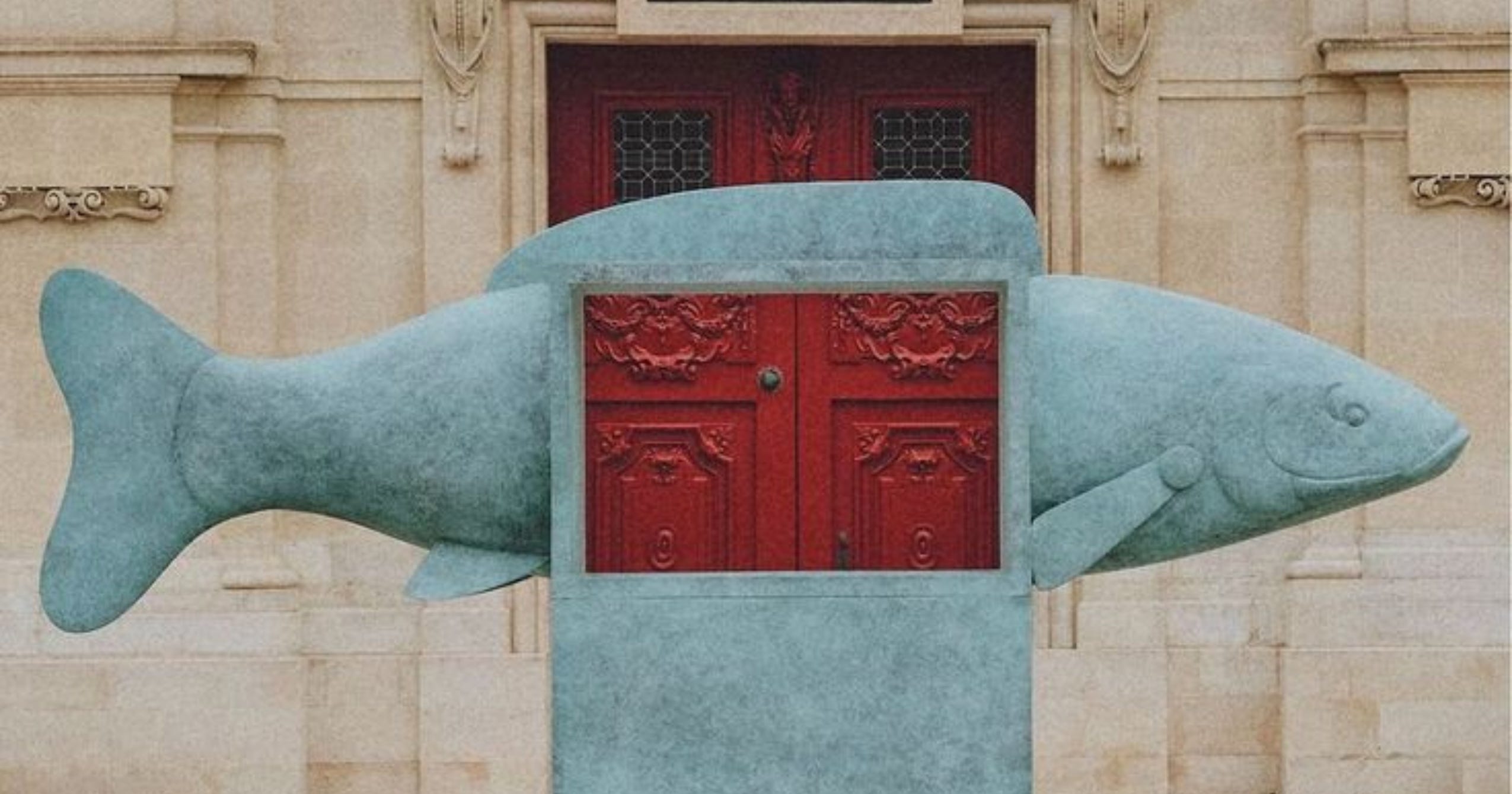
What is whimsy, and why is everyone talking about it?
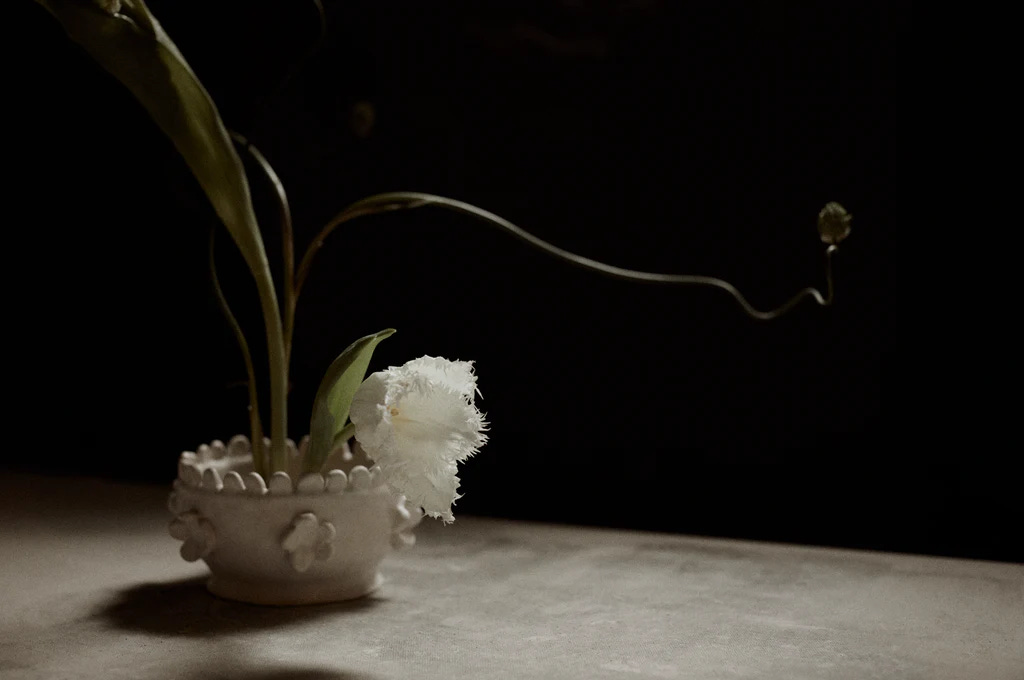
Whimsy isn’t just one thing. It’s not necessarily an aesthetic in itself (although it can have aesthetic markers). It’s subjective (sort of) and rooted in how something makes you feel (always). It’s like watching petals dance in a light spring breeze, wandering a winding path through a sun-dappled forest, or being struck by the playful, bold stripes of a circus tent. Whimsy is something that feels just “other” enough to make you stop and pay attention. It’s magic and delight, joy and play. It’s fun.
The root of “whimsical” or “whimsy” is an obscure 16th-century noun: whim-wham. Originally, it referred to an ornamental object or trinket (tchotchkes still = whimsical), but over time it came to signify an eccentric impulse or interest. What we now know as a “whim.”
Should we start referring to our decor objects as whim-whams? It’s a yes for me—but only for decor that actually makes me feel something. That’s whimsical.
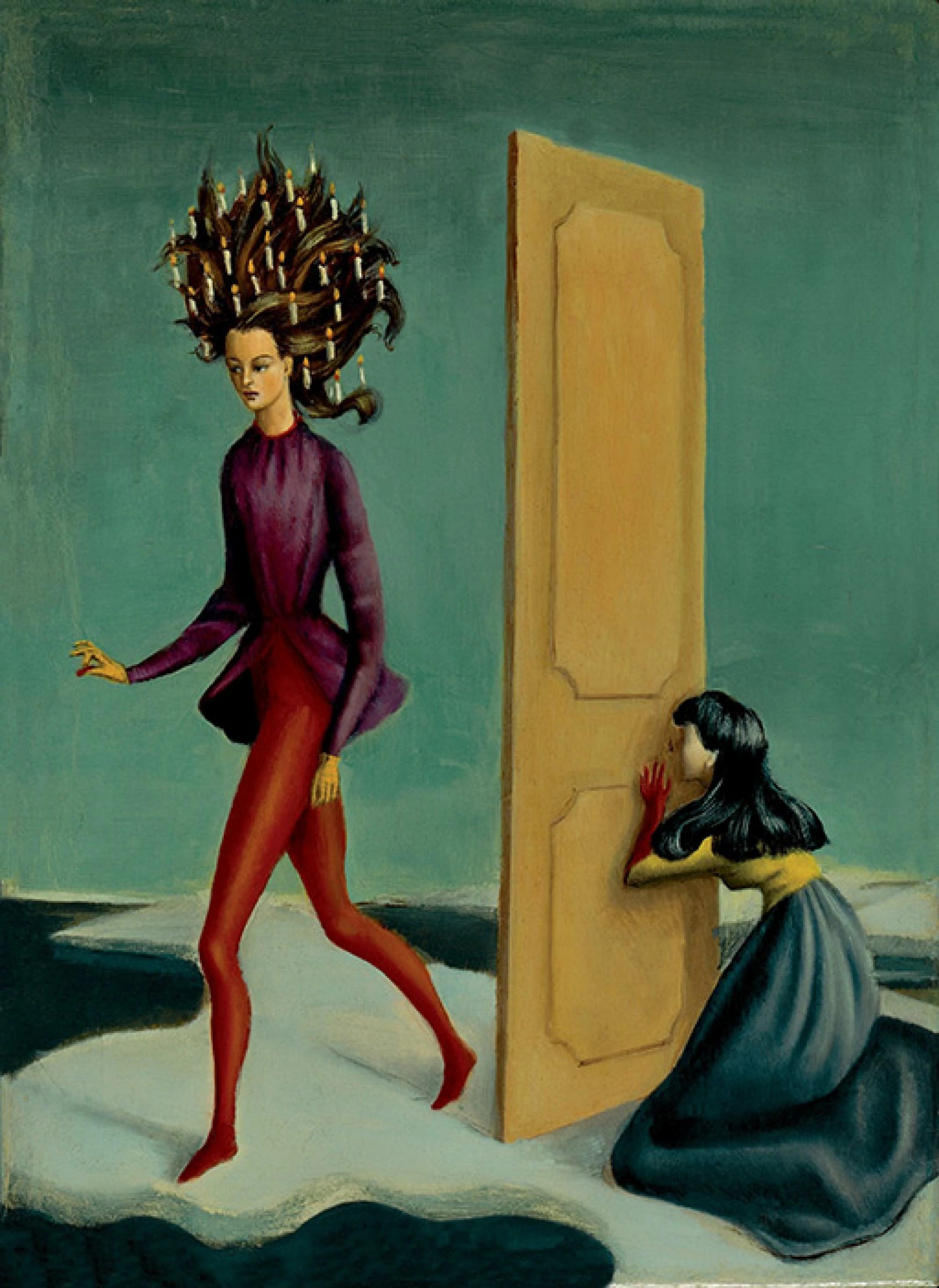
Following whims
It’s worth a brief detour into what it means to follow a whim, because that’s really what I’m doing here. Technically, a whim is a sudden, impulsive desire, often lacking a “serious” reason or purpose. It usually carries a slightly negative connotation; it’s thought of as capricious, unpredictable, or lacking in rigor. I disagree.
Personally, I believe that following a whim is one of the most beautiful and important acts we can take, especially when it comes to intellectual growth and creativity. When we follow a whim, we’re being playful with our “personal curriculum.” It’s not about learning the “right” thing in the “right” way. There is something loose and organic about chasing whims that leaves room for magic.
Rigor and fun can coexist when you take your curiosity seriously. It just needs time and air. Being truly deeply curious is the most fundamentally whimsical act there is.
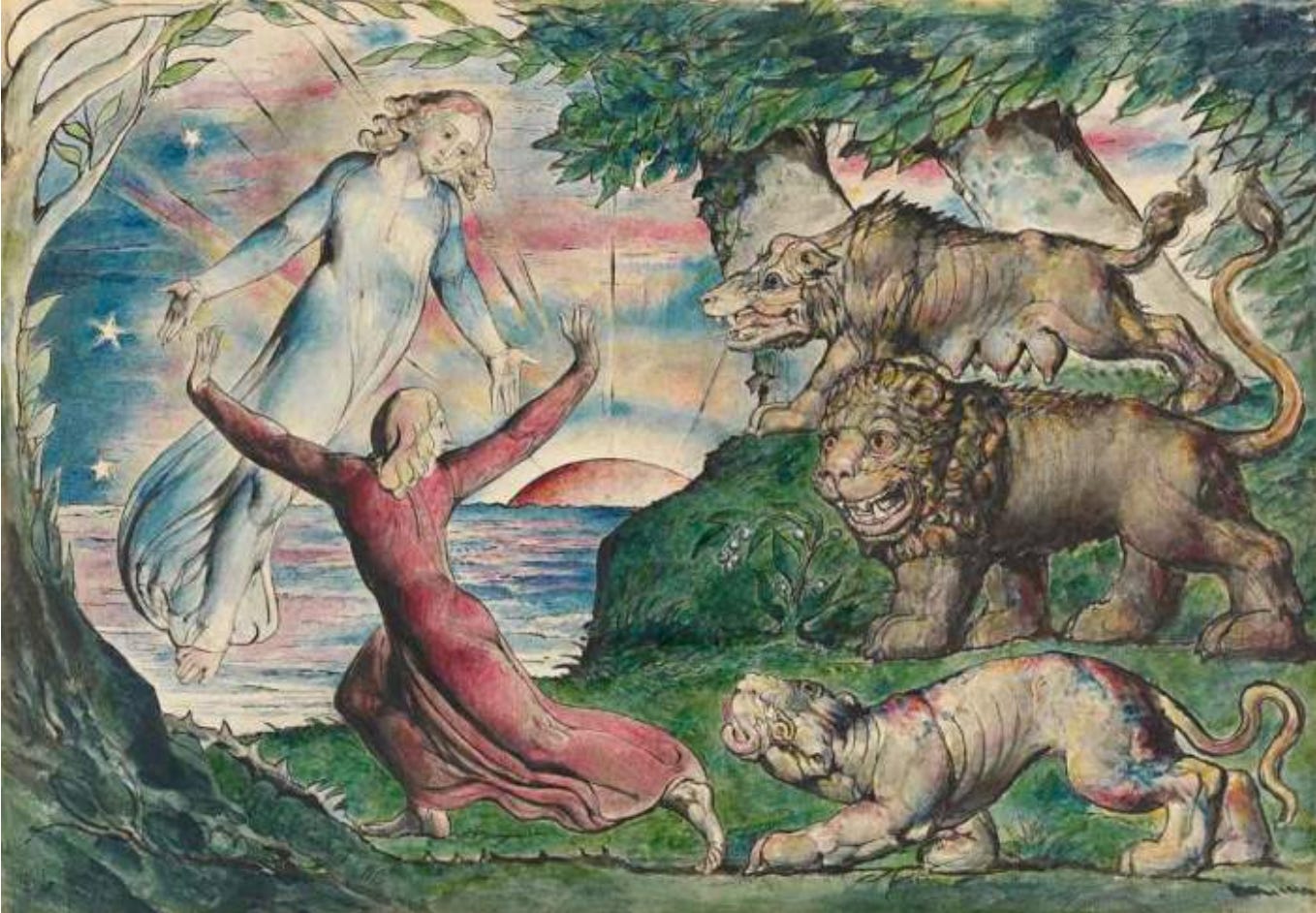
Whimsy is more than one thing
But as I mentioned, whimsy is subjective. And it isn’t just one thing.
There is a version of whimsy that is strange, bizarre, and a little bit scary. It’s the kind of “dark” whimsy found in a Surrealist painting or a Gothic story. On the opposite end of the spectrum is a childlike whimsy: silly, carefree, and light as a feather. Then, there is playful whimsy: mischievous, witty, and frivolous. The kind of whimsy that sparkles.
Whimsy can be capricious—volatile, and erratic. It can be temperamental and unpredictable. At its most imaginative, whimsy becomes something mythical. Chimerical. And then there is ethereal whimsy. Dreamlike, quixotic, full of curvilinear paths and elusive ideas. It’s hard to pick a favorite.
Why you should care
At its heart, whimsy is deeply creative. It’s innovative and Promethean, pulling something extraordinary out of the ether. Whether it makes you think deeply or feel a sudden surge of delight, its power is the same: it pulls you out of the noise of the world and into your own imagination. Or, conversely, it drags you out of your head and plants you squarely in the present moment.
Either way, it demands attention. And in our current climate—especially for those who are chronically online—attention is the most precious resource we have.
So after that (somewhat brief?) tangent, let’s get into the
The Big List of Whimsical Artists
A quick note: The list is in alphabetical order. There are 50 artists, some chosen by me and some by my incredibly whimsical contributors. This story was a beast to compile, so please excuse any errors. HAVE FUN!
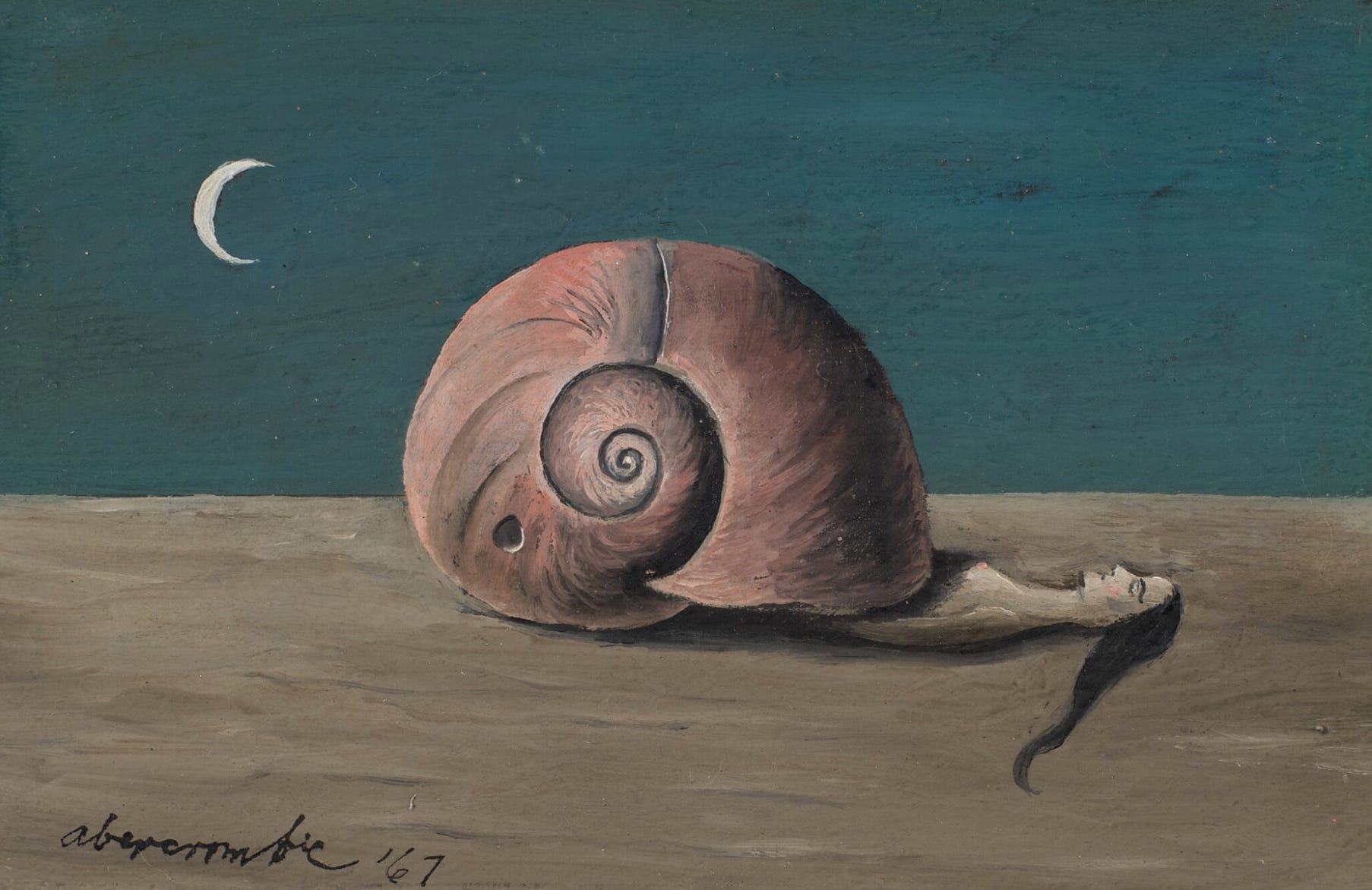
1. Gertrude Abercrombie (1909 – 1977, Chicago, Illinois)
Abercrobie’s sparse, dreamlike paintings blend surrealism with stark emotional introspection, often veering into the uncanny. I’ve written more about her here.
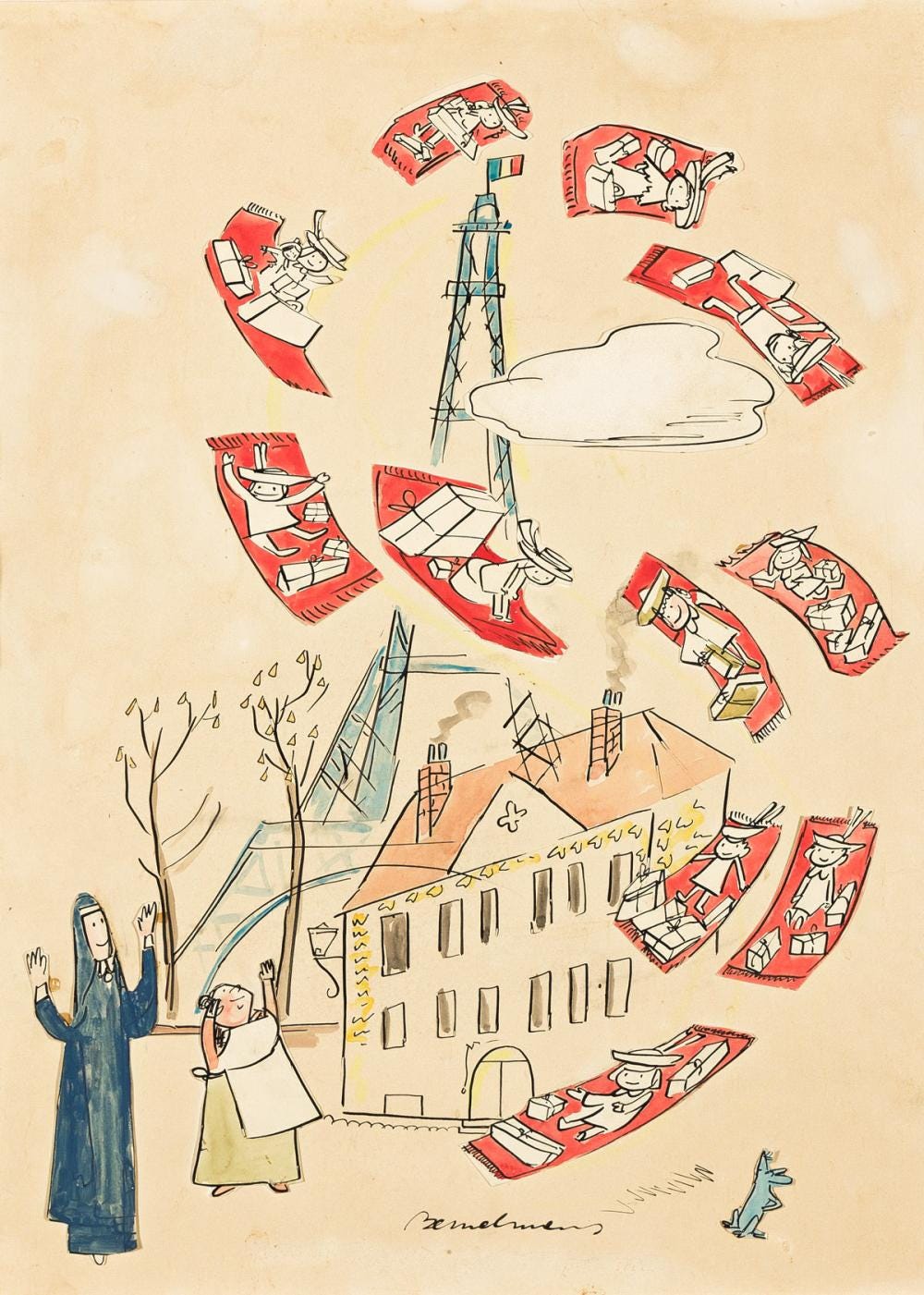
2. Ludwig Bemelmans (1898–1962, Austria/Hungary, New York City)
Best known as the creator of Madeline, Bemelmans wielded a loose, spirited brush to capture the joyful chaos of life, infusing everything from grand hotel dining rooms to rain-soaked Parisian streets with a sense of sophisticated, childlike wonder.
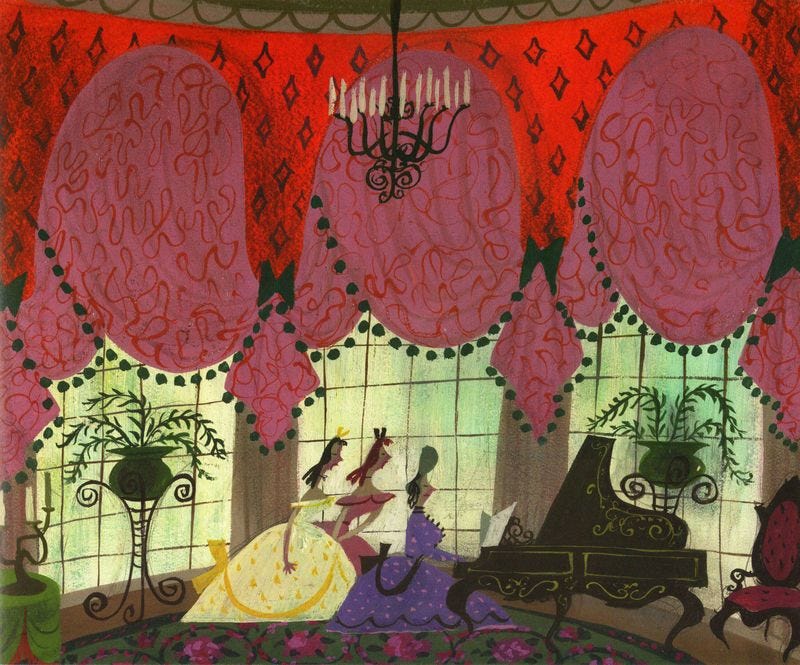
3. Mary Blair (1911–1978, California)
Jenna O'Brien from Feeling! Magazine (one of the most whimsical destinations on substack) chose Blair as her artist pick:
“Mary Blair is the illustrator behind Disney magic, like the colorful folk-art style of It’s a Small World and Alice in Wonderland. She was a prominent artist in the Walt Disney Company, creating concept art for classic movies and immersive rides. I’ve always been drawn to her wondrous sense of play in her pieces, particularly her sense of color and use of pattern.”
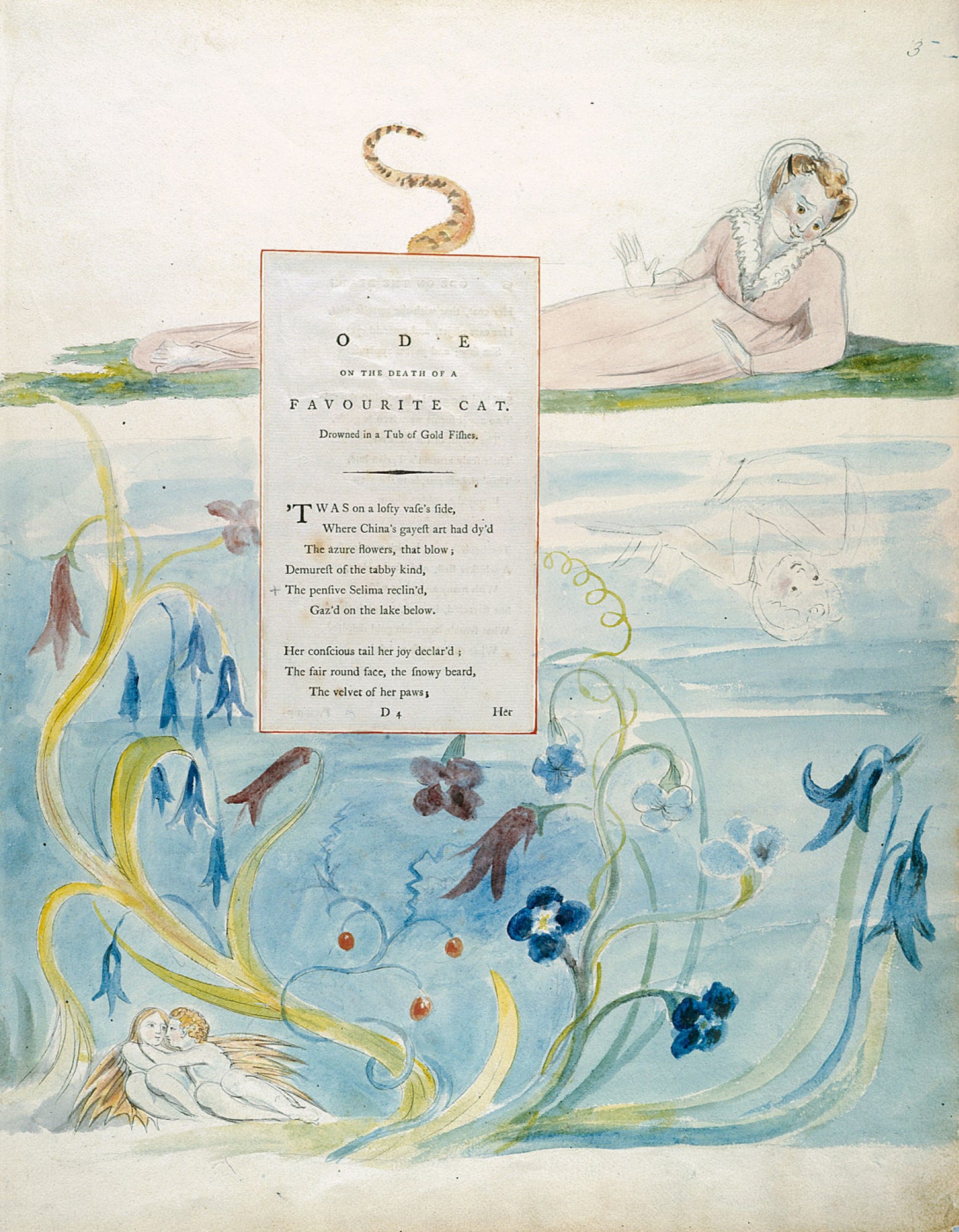
4. William Blake (1757–1827, London, England)
A true Promethean of the Romantic age, Blake rejected the “serious” constraints of his time to create a private universe of radical myths and luminous engravings. He was proof that the most profound whimsy is found when we take our own imagination as absolute gospel. I have a much longer piece coming on Blake that I have been working on for a year. TBD when it will be ready.
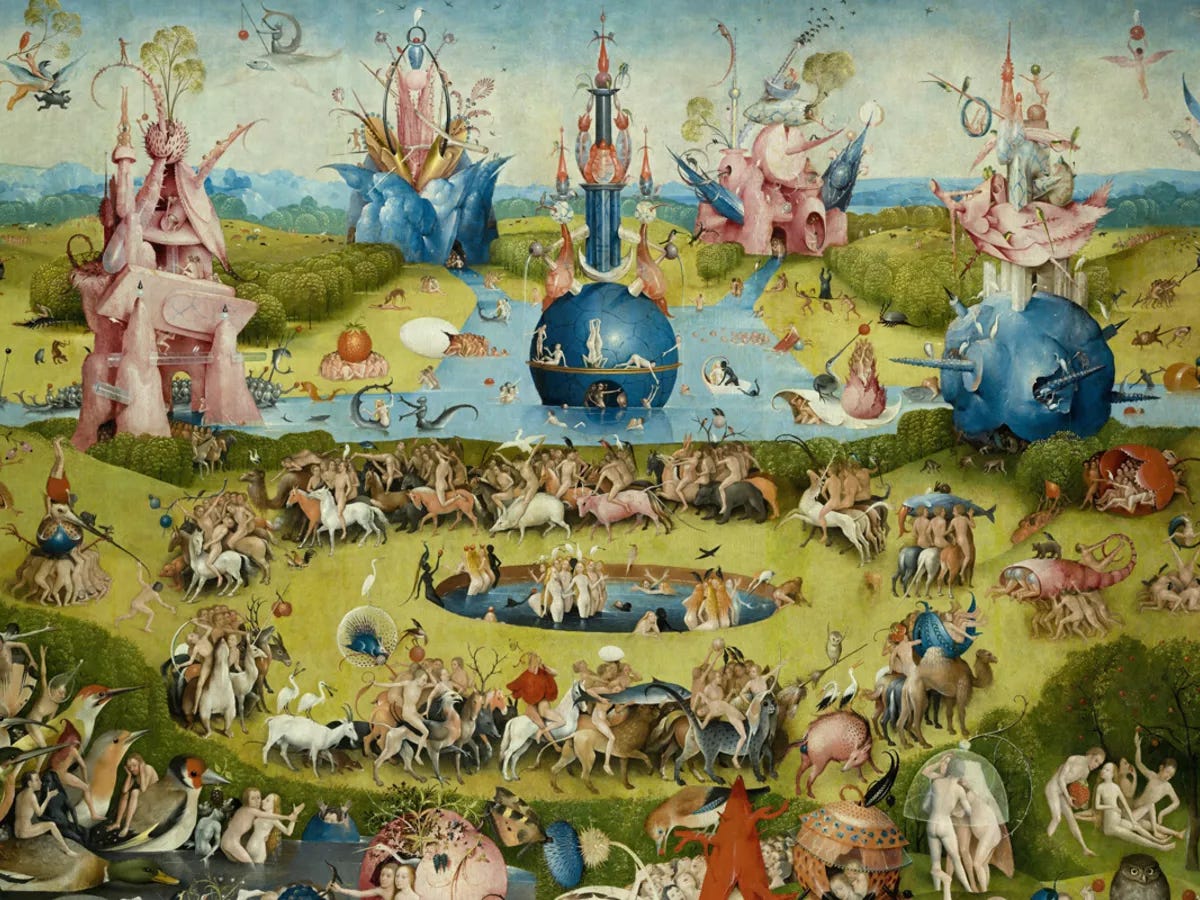
5. Hieronymus Bosch (c. 1450–1516, The Netherlands)
The original master of dark and chaotic whimsy, Bosch populated his intricate, surreal dreamscapes with a dizzying array of hybrid creatures and eccentric delights, creating a world where the playful and the nightmarish are inextricably entwined.
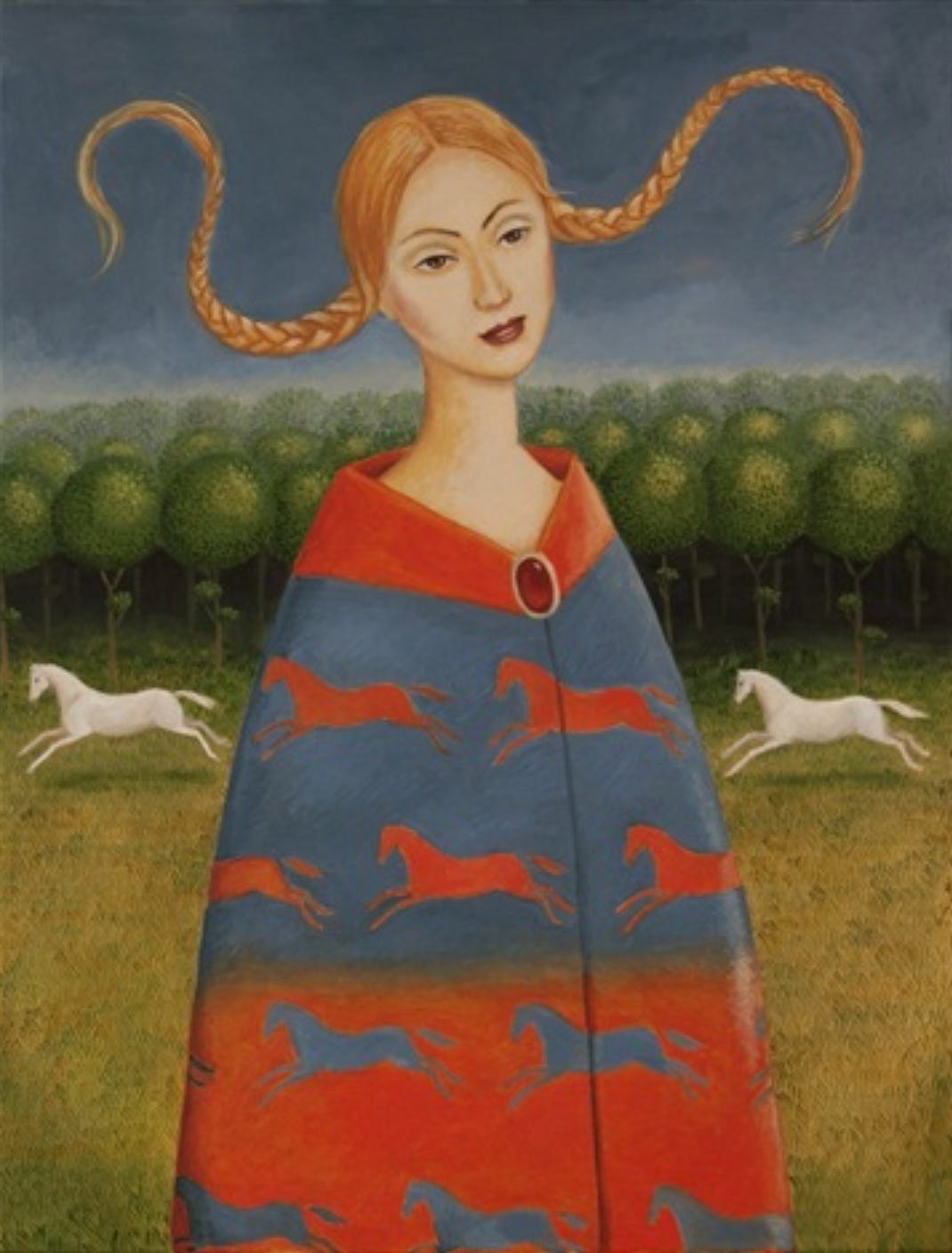
6. Malwina de Brade (b.1968, Warsaw, Poland)
A modern weaver of folklore and femininity, de Brade creates vibrant, textured oil paintings in which golden horses, mythical knights, and veiled figures wander through sacred forests. More here and here.
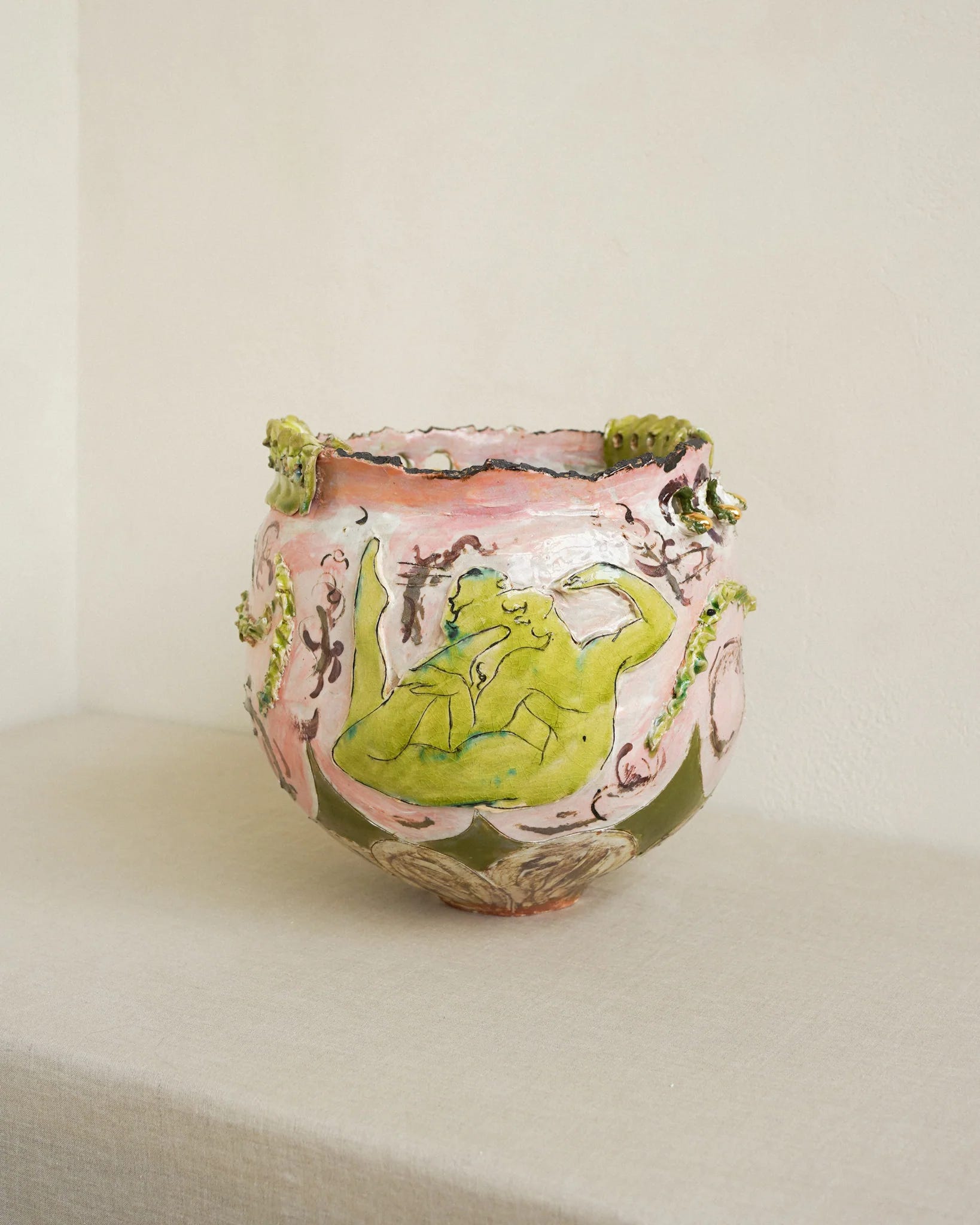
7. Gianfranco Briceño (São Paulo, Working Artist)
His vessels carry an energy that is both ancient and modern, rooted in history but reimagined with a contemporary edge. His signature mythic themes are woven throughout with color applied in broad, sculptural strokes. More about Gianfranco here.
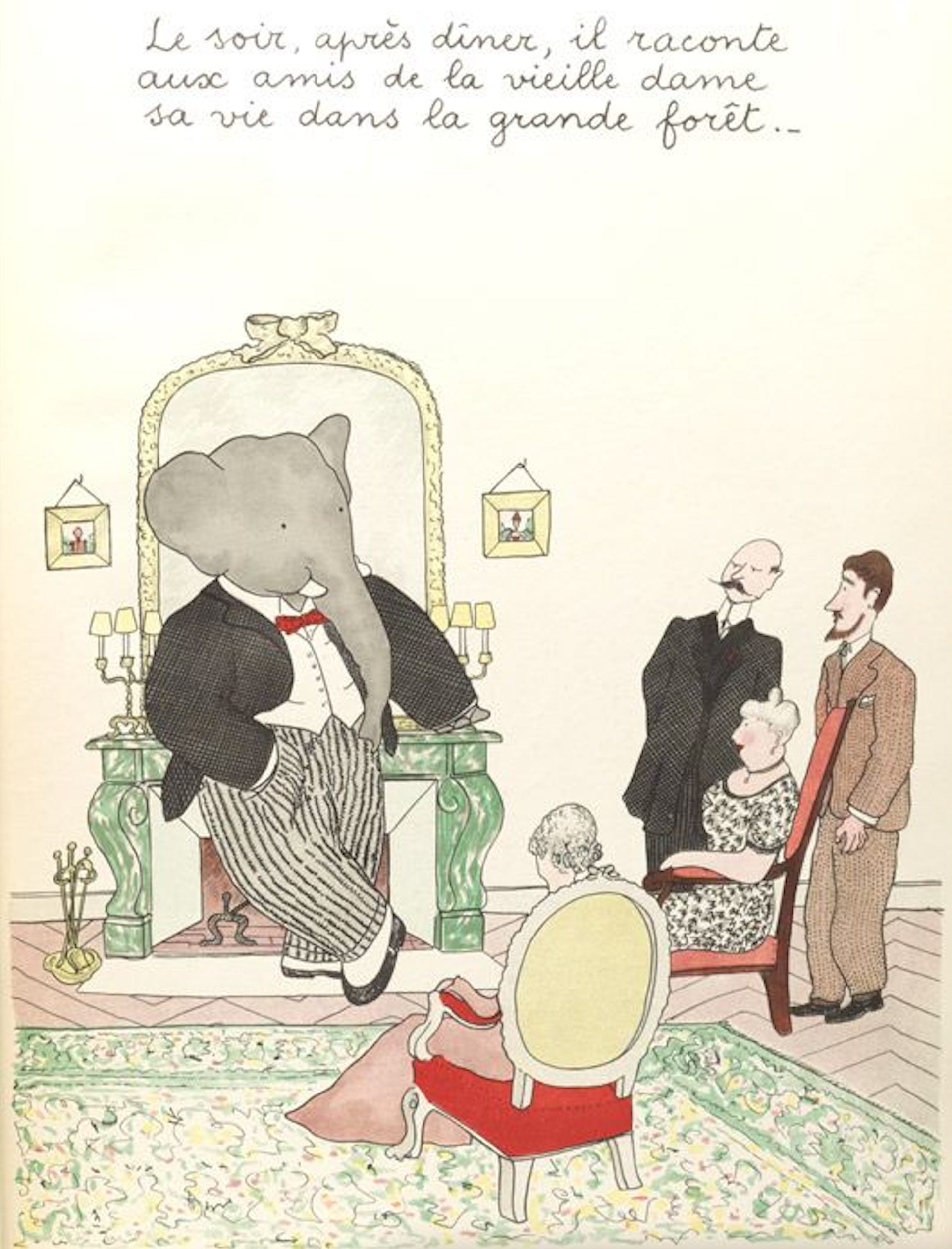
8. Jean de Brunhoff (1899–1937, Paris)
The father of the modern picture book, de Brunhoff transformed a simple bedtime story into a whimsical empire, using elegant line work and a tight watercolor palette to create a world where a dignified elephant king celebrates the abiding comforts of family and civilization.
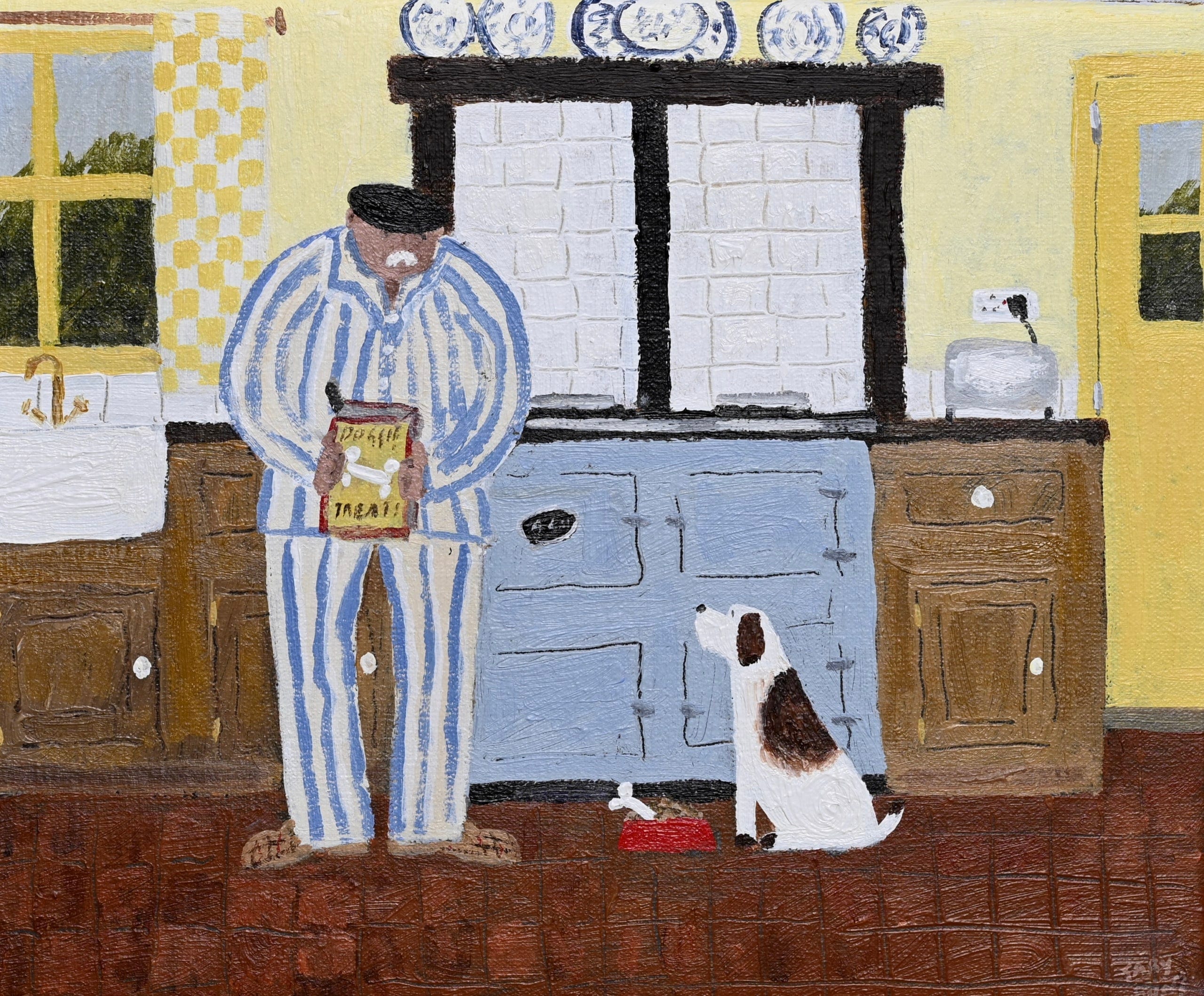
9. Gary Bunt (b.1954, Kent, UK)
Bunt uses a charmingly joyful style to capture the soulful connection between man, dog, and the British countryside. It’s the whimsy found in a simple life.
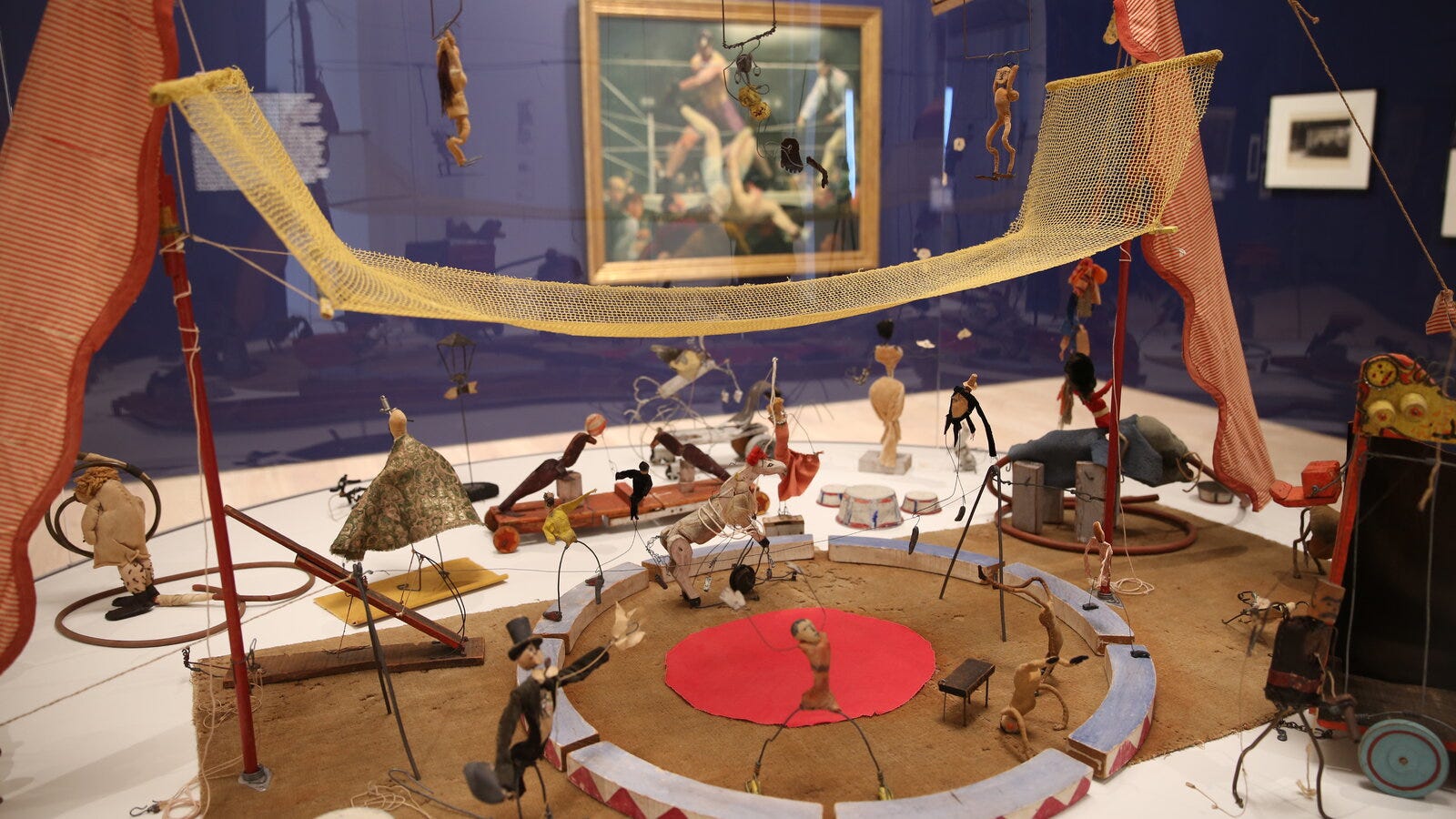
10. Alexander Calder (1898–1976, Roxbury, CT, Paris)
I had to include Calder, whose legendary Circus (recently on view at the Whitney for its centennial) is a sprawling masterclass in rigor and fun, proving that a few bits of wire, cork, and bottle caps can conjure a universe so enchanting it demands your absolute, undivided attention
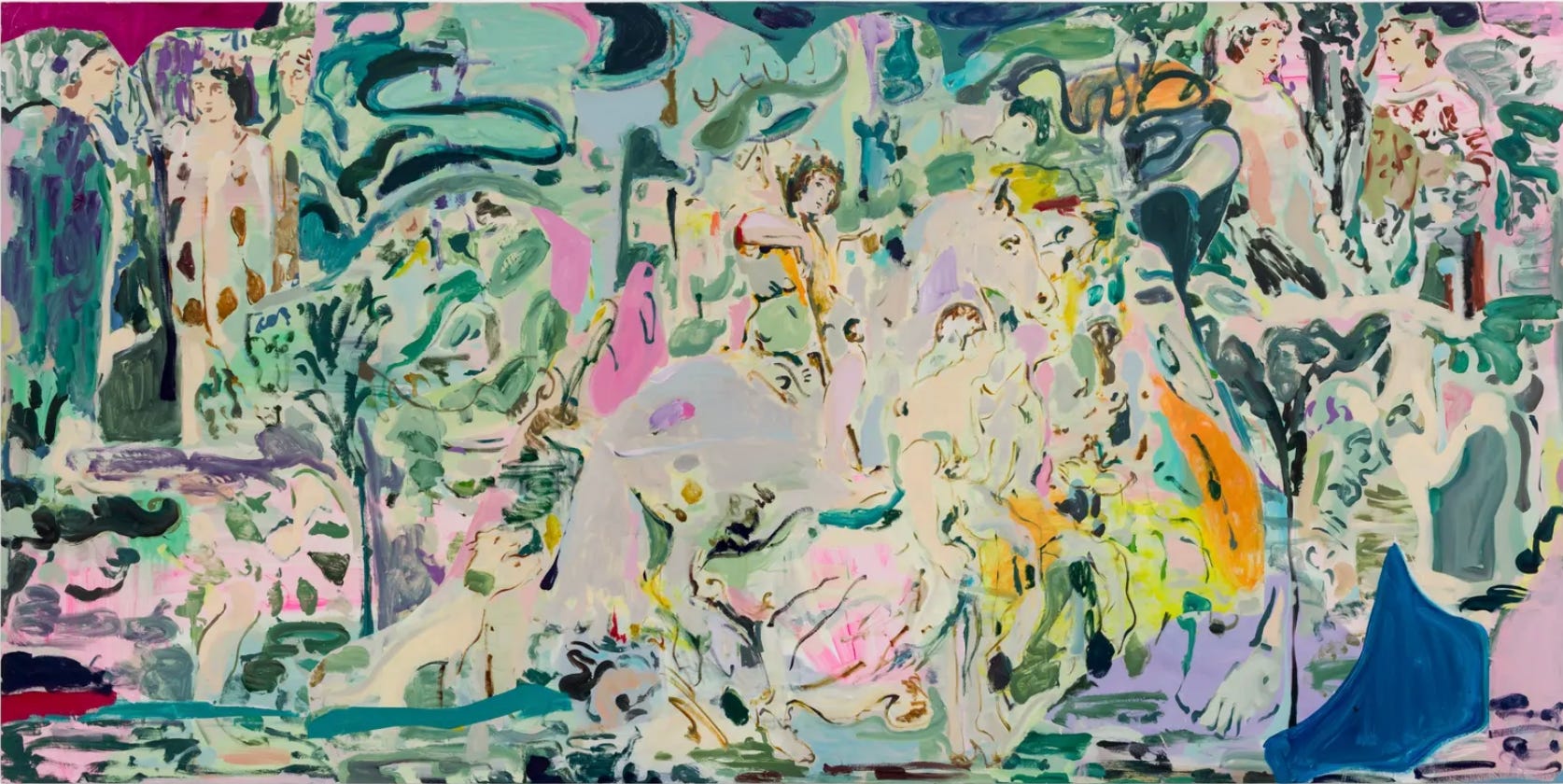
11. Tomo Campbell (b.1988, London, UK)
Campbell uses a vibrant palette and fluid, staccato brushwork to create large-scale oil paintings where Neoclassical figures and spirited horses appear to vibrate on the cusp of dissolution. More here.
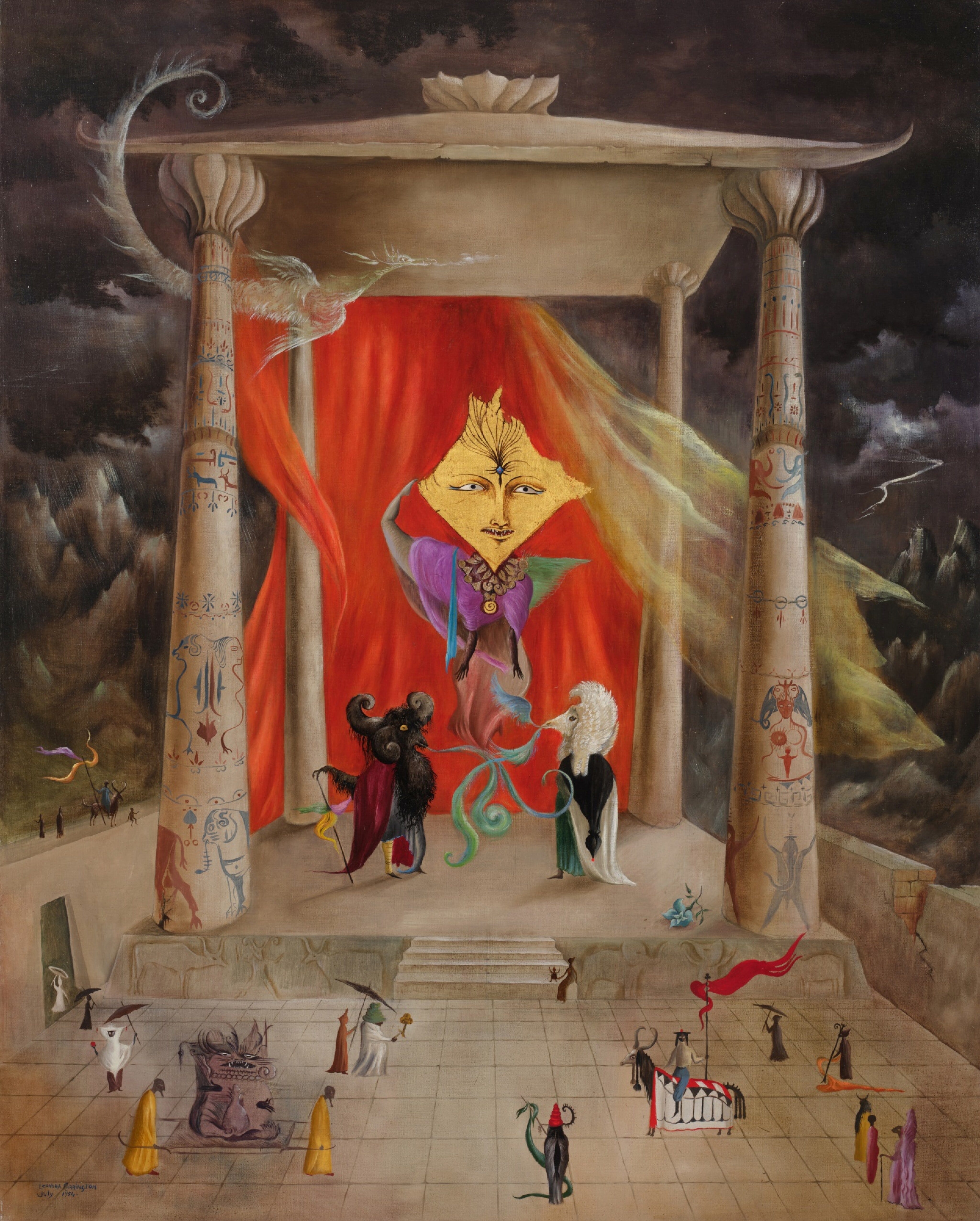
12. Leonora Carrington (1917–2011, England, paris, Mexico City)
One of my all-time favorite artists (and authors), Carrington, was also chosen by two of my absolute favorite writers Jada De Luca and surrealist covens. Coincidence? I think not!
Jada De Luca writes:
“Leonora Carrington and Remedios Varo are femme surrealist artists that swing between the pendulum of both visual and written landscapes, accessing metaphysical worlds inaccessible except through the surreal. Neither artist felt the need to adhere to one artistic medium; Carrington wrote short stories in French and designed her own tarot cards in watercolour; Varo wrote recipes and spells and painted alchemical dreamscapes. Within their companionship that traversed from Paris to Mexico City, they became prolific composers of mystery and magic, meditating on mysteries that science, religion, philosophy and mathematics aim to answer, and instead doing so through art.
Carrington adopts a gallery of deeply personal symbolism: golden eggs, white horses, animal-human-hybrids, nest-haired sybils, fading apparitions. In burying herself deep within her own subconscious icons, she explores self-invention, the occult, spirituality and mythology.
Whimsical, although an acute observation, simultaneously feels like an understatement for these two surrealist icons. They are mythopoeic– “myth-makers” of a cosmic, sublime degree that previously could only be witnessed in dreams.”
Read more from Jada De Luca in her story Femme-Surrealism & The Mystery of Creation
(More on Varo to come…we’re going in alphabetical order)
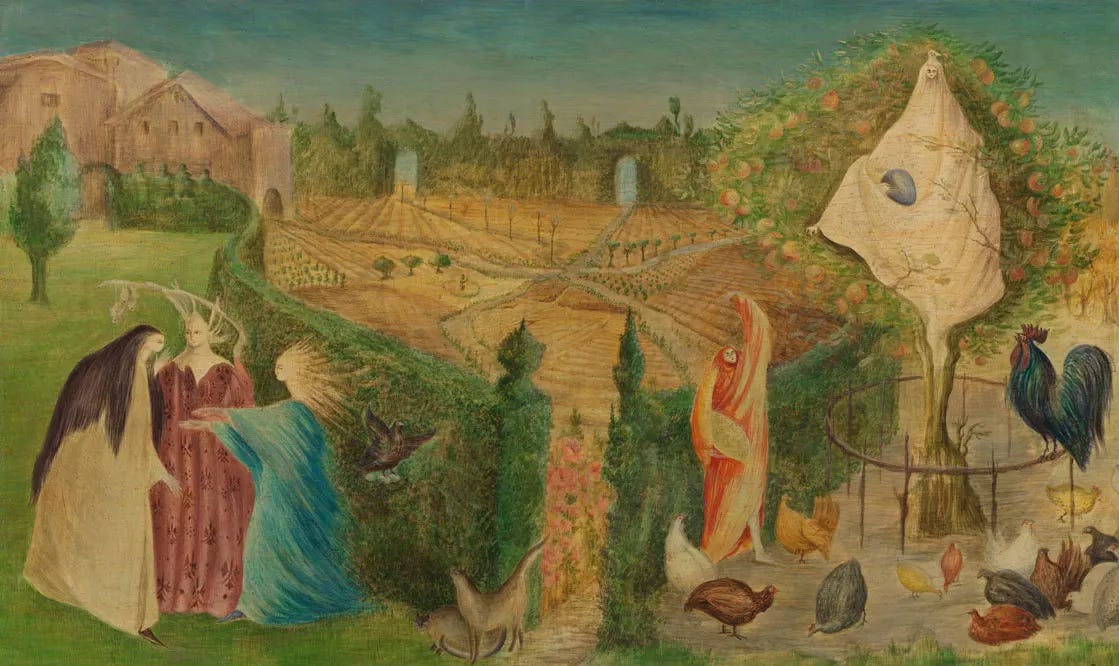
surrealist covens writes:
“A cauldron bubbling under the watchful eyes of a giant goose, dinner tables rich with wine and fruit, the daughter of the Minotaur and her loyal hounds. These are some of the fantastical scenes one can find in the paintings of surrealist artist Leonora Carrington (1917-2011).
These striking characters, as charming as they are bizarre, are eternally engaged in magical activity on canvases that come to life through the tragic and comedic engaged in a Bacchanalian dance. At first glance Carrington’s works entice the imagination with images of witches’ sabbaths, gatherings of mythological creatures, and meals shared by human-animal hybrids. When one gives into the temptation and looks deeper, the intricacy of Carrington’s alchemy makes itself known. The juxtaposed references intertwine and form complex narratives, the mystical darkness reveals a sharp-toothed smile, the otherworldly breaks bread with the mundane, and magic manifests in the crone’s cackle and the tempted saint’s desires.
Carrington’s painting and writing are filled with whimsy. The alchemical, folkloric and occult references are gorgeously interlaced with a sense of humour, strange creatures and puns. In her work you can discover all manner of bizarreness from a sophisticated game of table tennis in which hummingbirds take the role of the ball, to vegetables throwing themselves into a cauldron, to kitchens populated by witches and their familiars.”
surrealist covens wrote a great piece about Leonora Carrington’s book Down Below here.
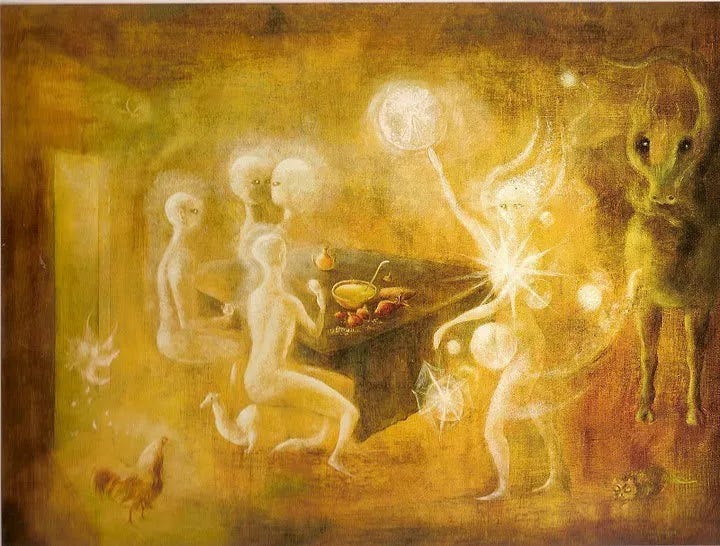
13. Jean Cocteau (1889–1963, France)
The ultimate multidisciplinary magician, Cocteau used a single, fluid line to bridge the gap between myth and modernity, proving that the most sophisticated whimsy is found when we allow our imagination to drift—quixotically and without a map—through the worlds of film, poetry, and ink. I wrote about his home in the French Riviera here.
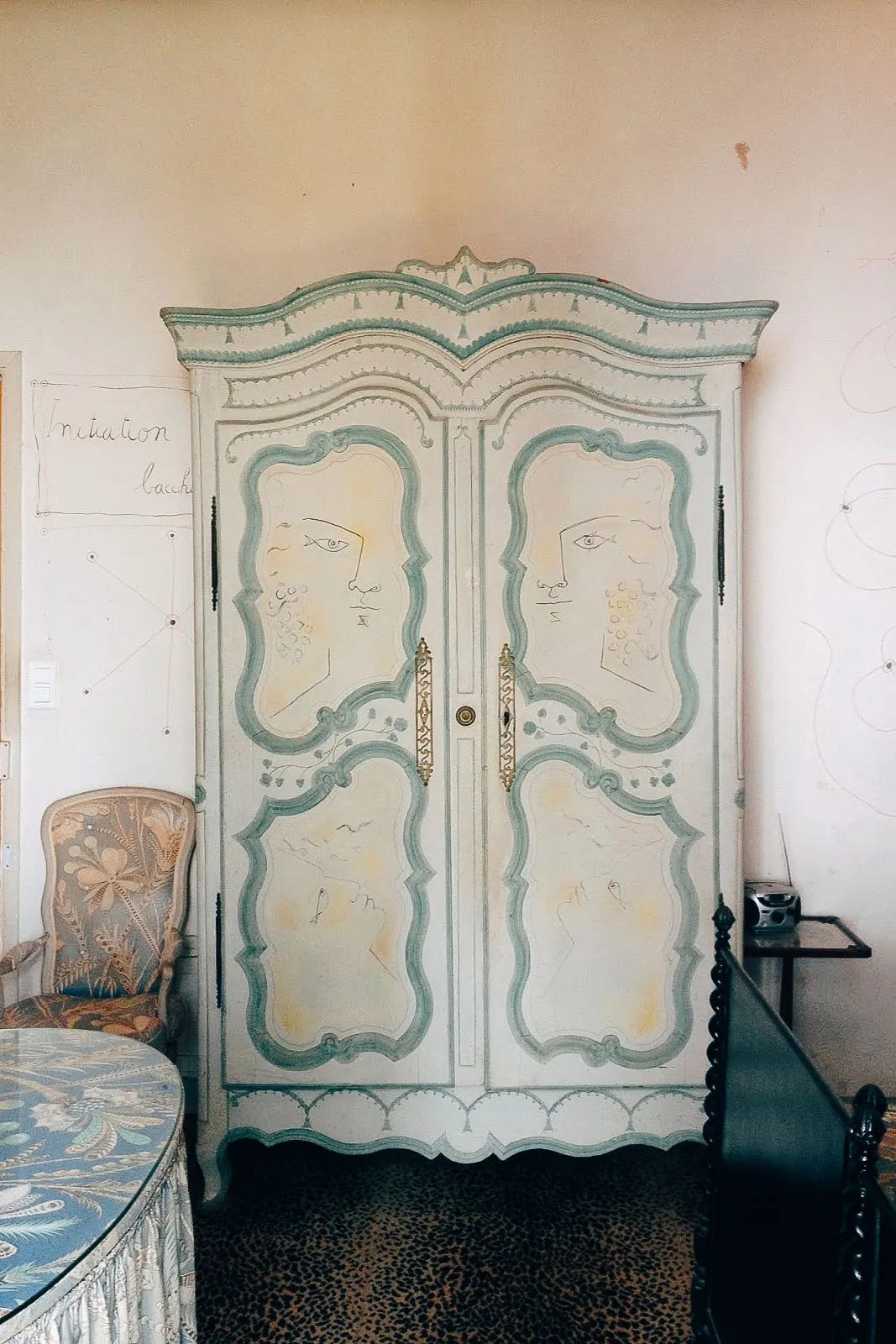
14. F Taylor Colantonio (B.1988, Boston, Rome, Italy)
I had to include some designers on this list because what they do is ART. Colantonio revives the ancient Italian art of cartapesta to craft sculptural furniture that feels like a surrealist artifact.
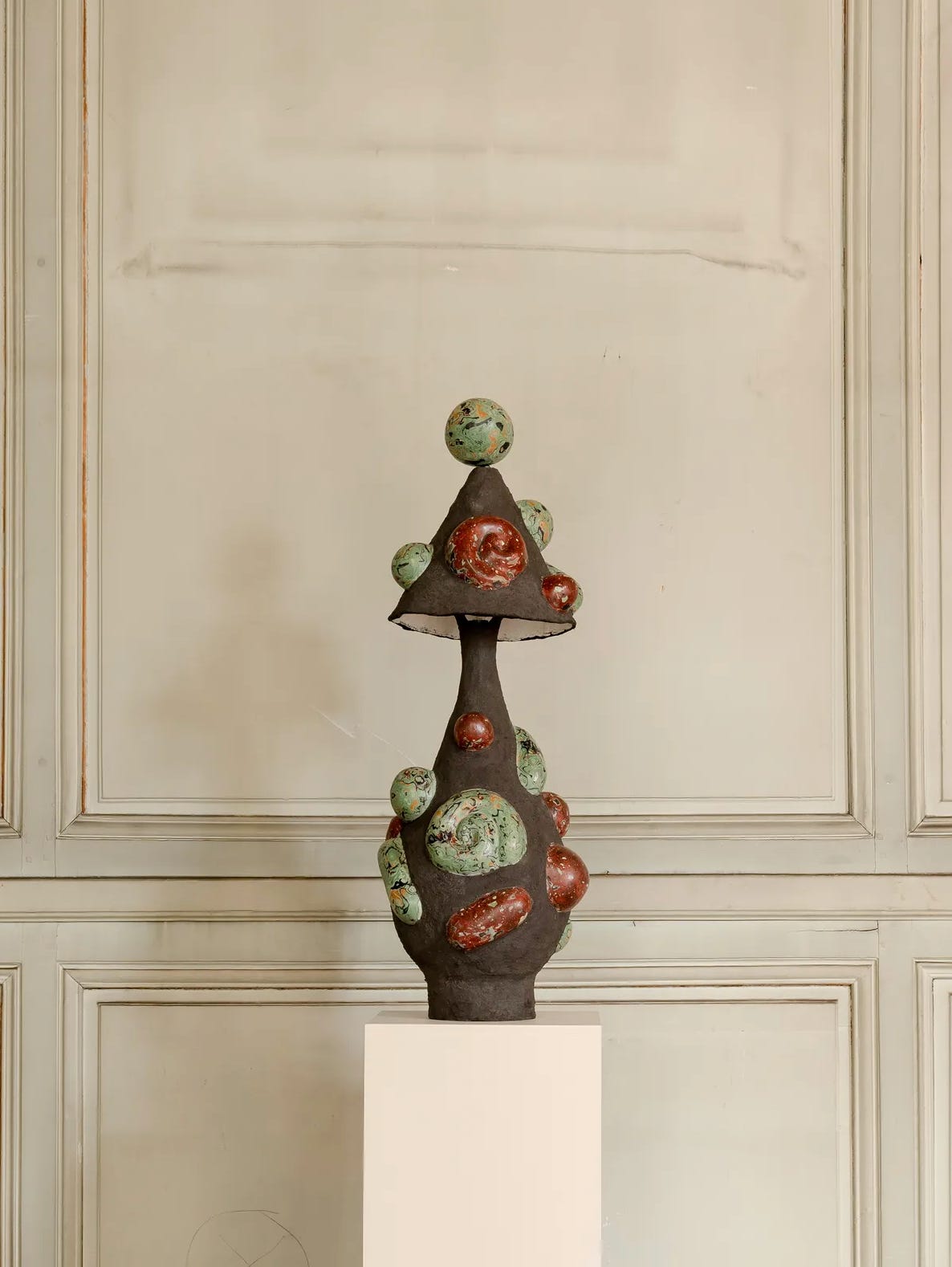
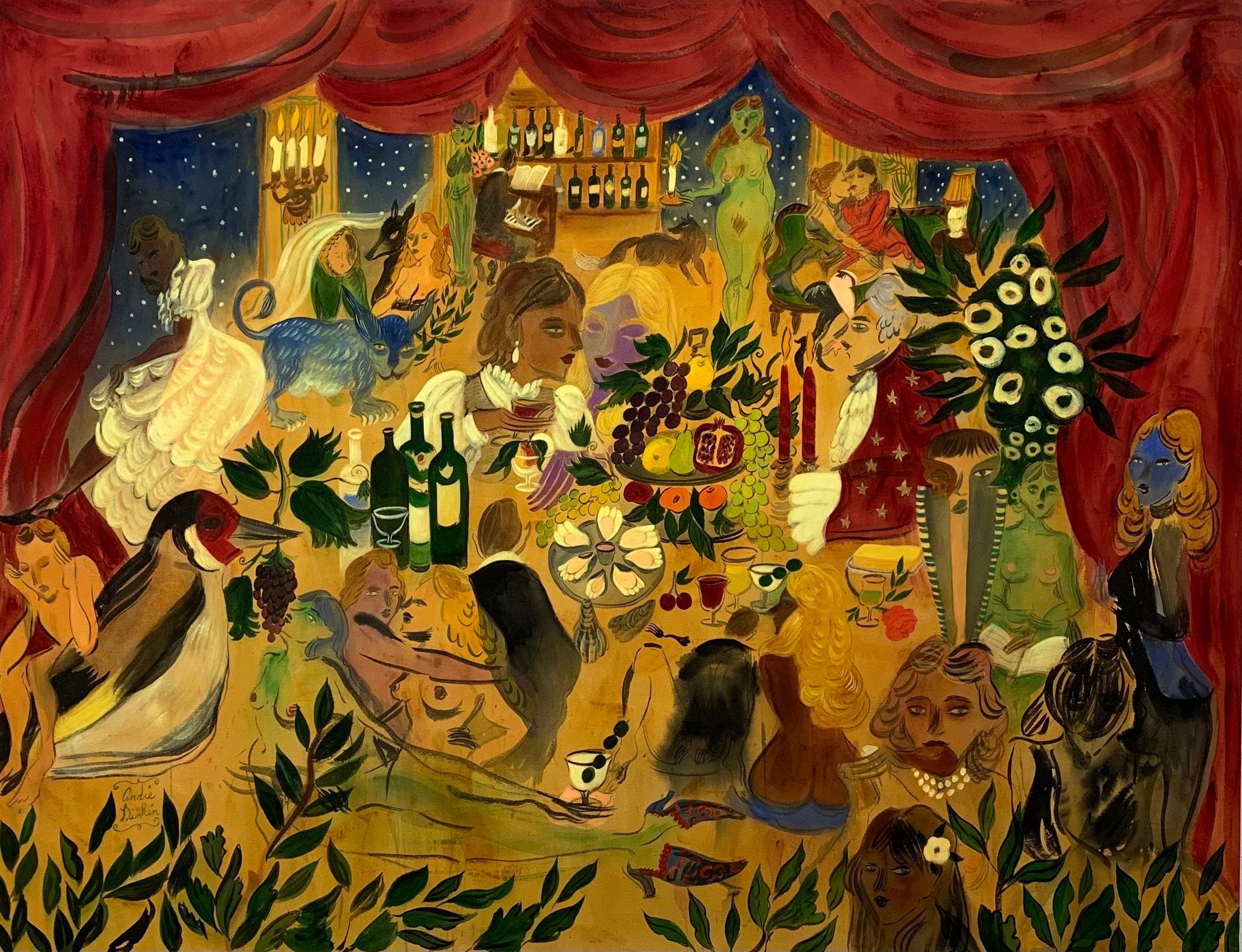
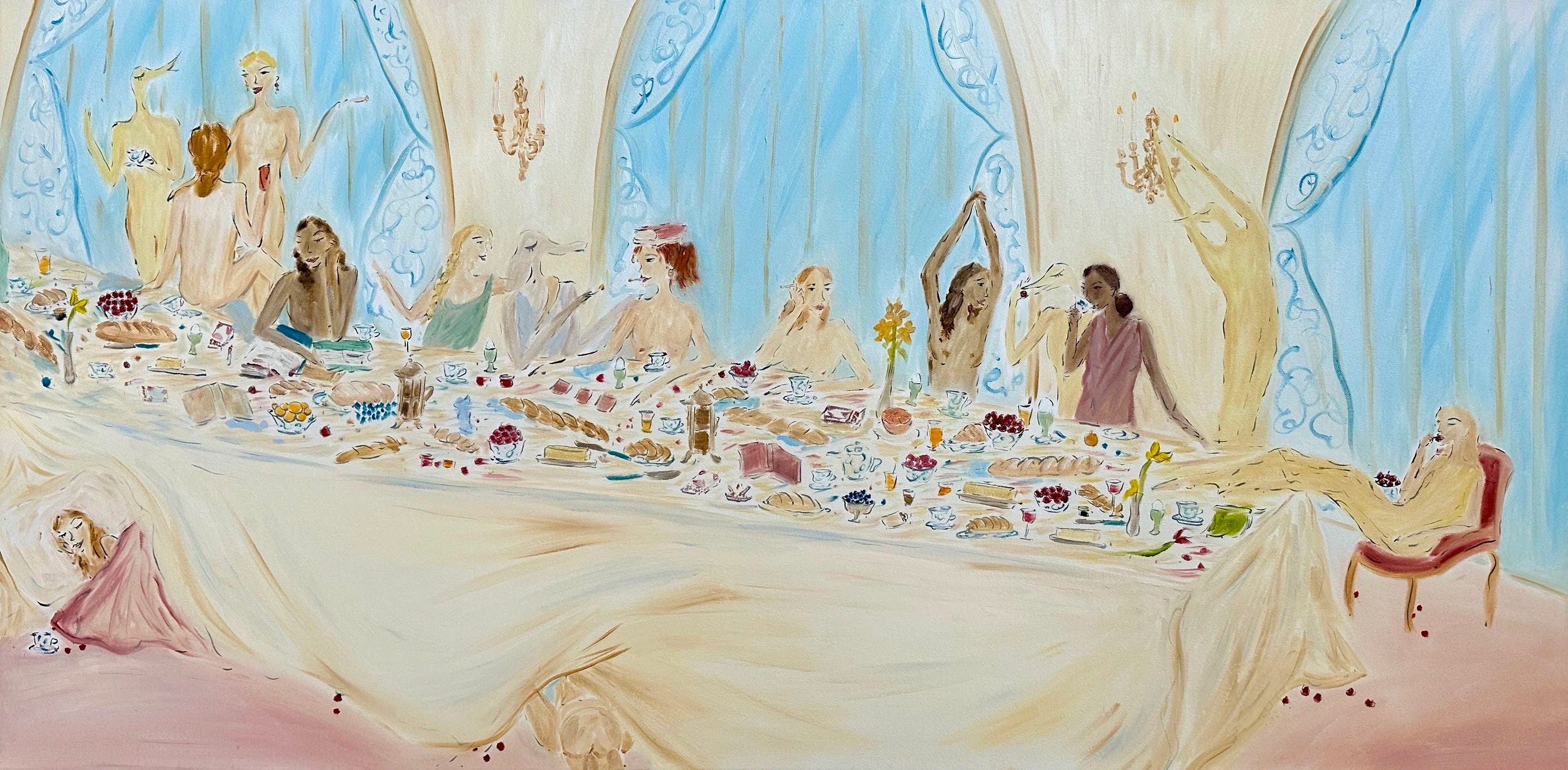
15. Andie Dinkin (b. 1991, LA, NYC)
The choice of the fabulously whimsical Ali LaBelle:
“I want to live inside of Andie Dinkin's paintings, especially her giant paintings of dining rooms and outdoor scenes where there are lots of little hidden moments to discover up close. One of her big influences is Florine Stettheimer, another artist whose work I love—they share a theatrical quality that feels playful, opulent, and a little mischievous. And the colors! I love the palette Andie uses—it's rich and warm and feels like each scene is lit by candlelight.”
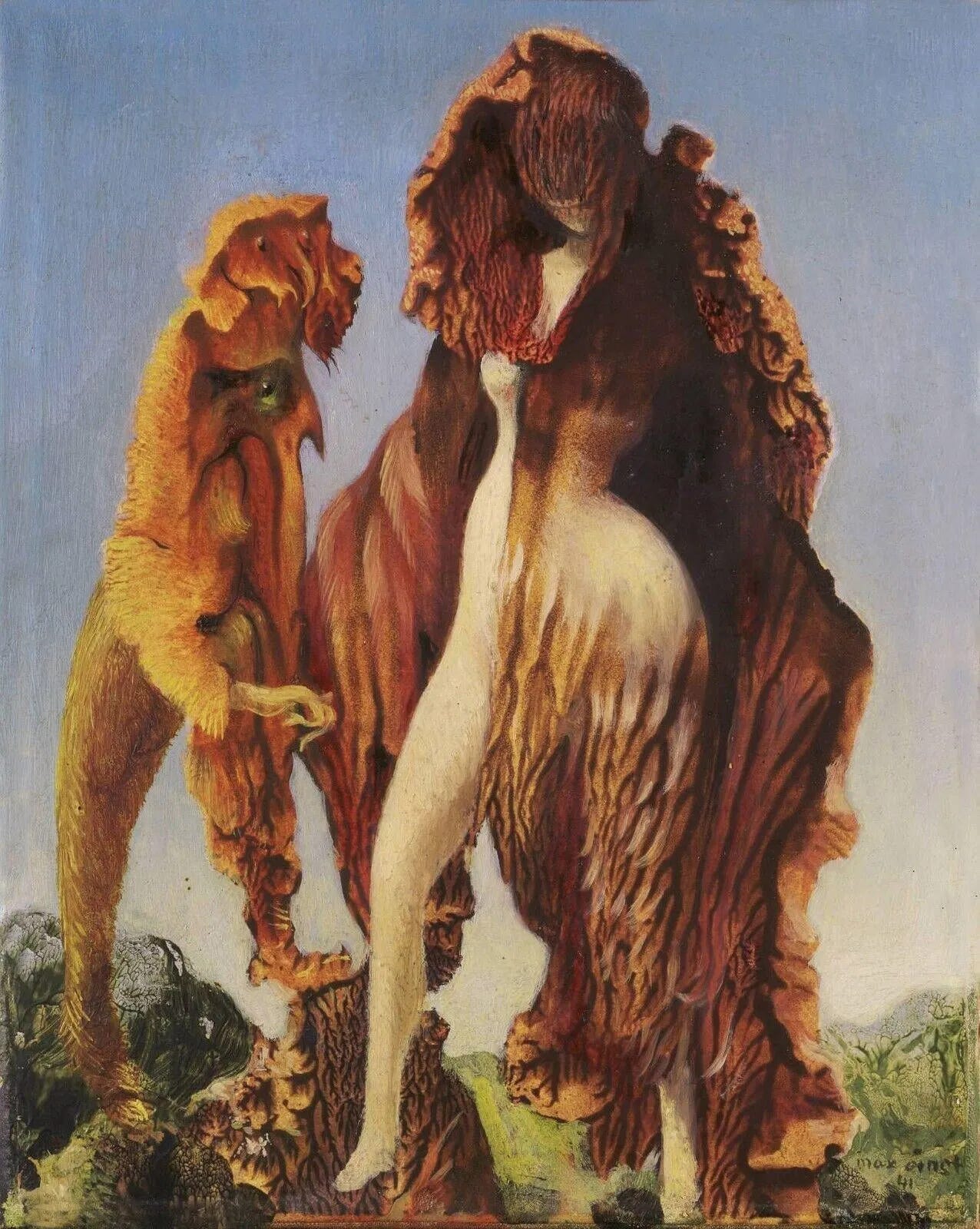
16. Max Earnst (1891–1976, Brühl, Germany; Paris, France; Sedona, Arizona; and NYC)
I can’t mention Carrington and Varo without Max Ernst—he was the ringleader of their surrealist circus and a master at turning deep-seated dreams into beautifully bizarre, tactile realities.
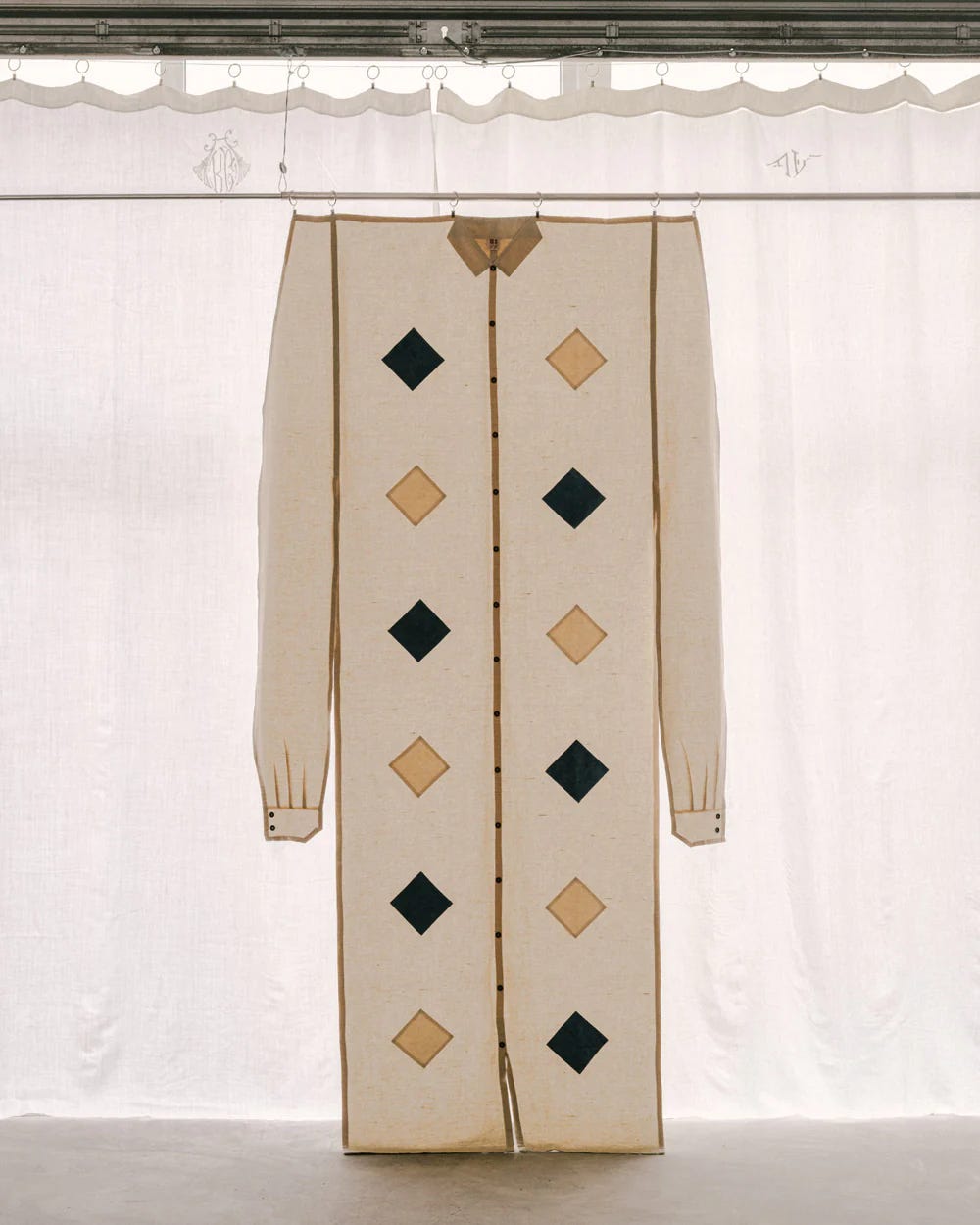
17. Sarah Espeute (Working, Marseille, France)
Another designer I absolutely adore. Espeute’s designs infuse whimsy into absolutely anything they touch. And her curtains? I need!
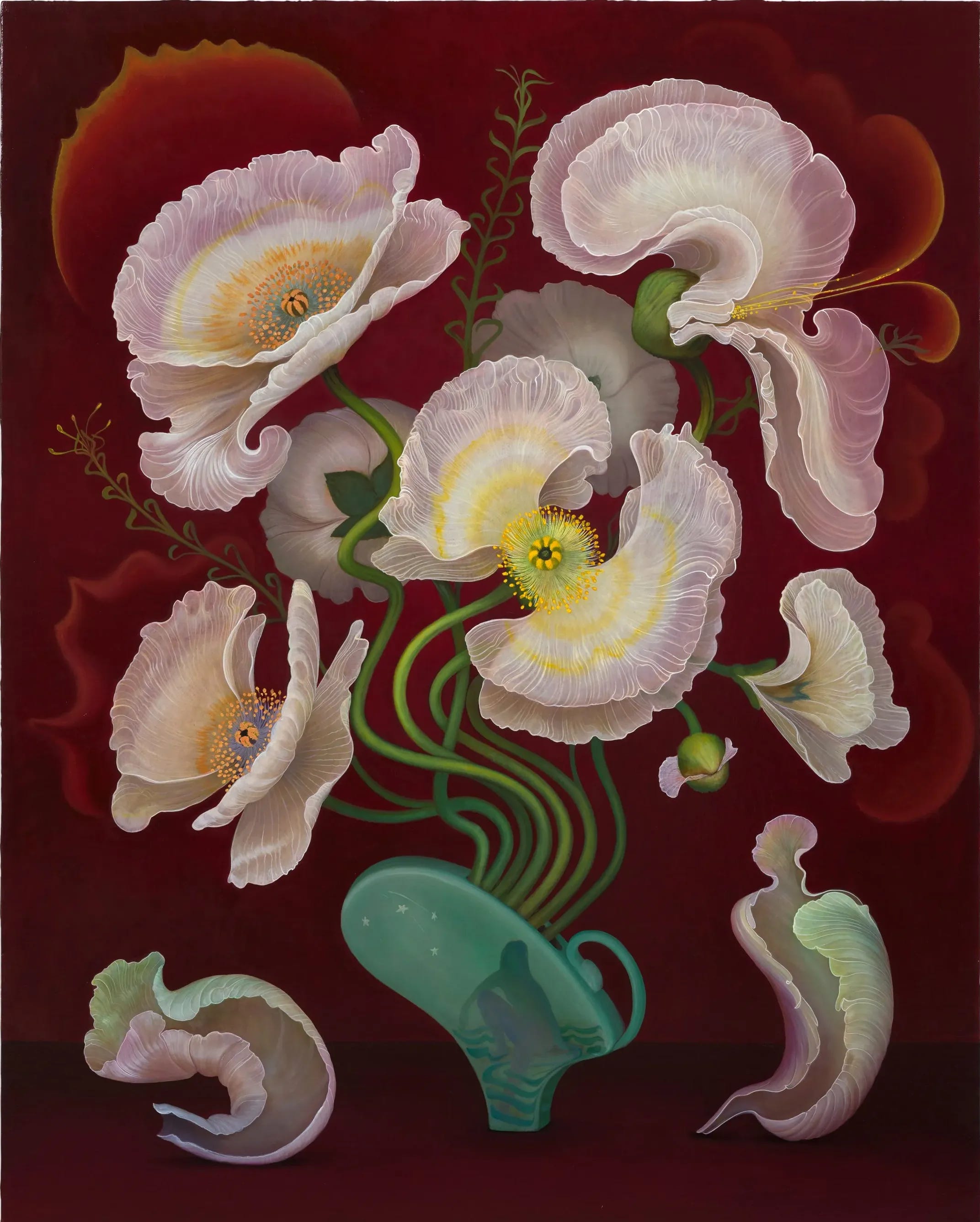
18. Inka Essenhigh (b. 1969, New York)
Inka Essenhigh creates fluid, liquid-like dreamscapes where the organic world and the imaginary blur together, transforming trees, figures, and shadows into undulating forms that feel as fleeting and magical as a half-remembered dream. More here.
19. Genieve Figgis (b.1972, County Wicklow, Ireland)
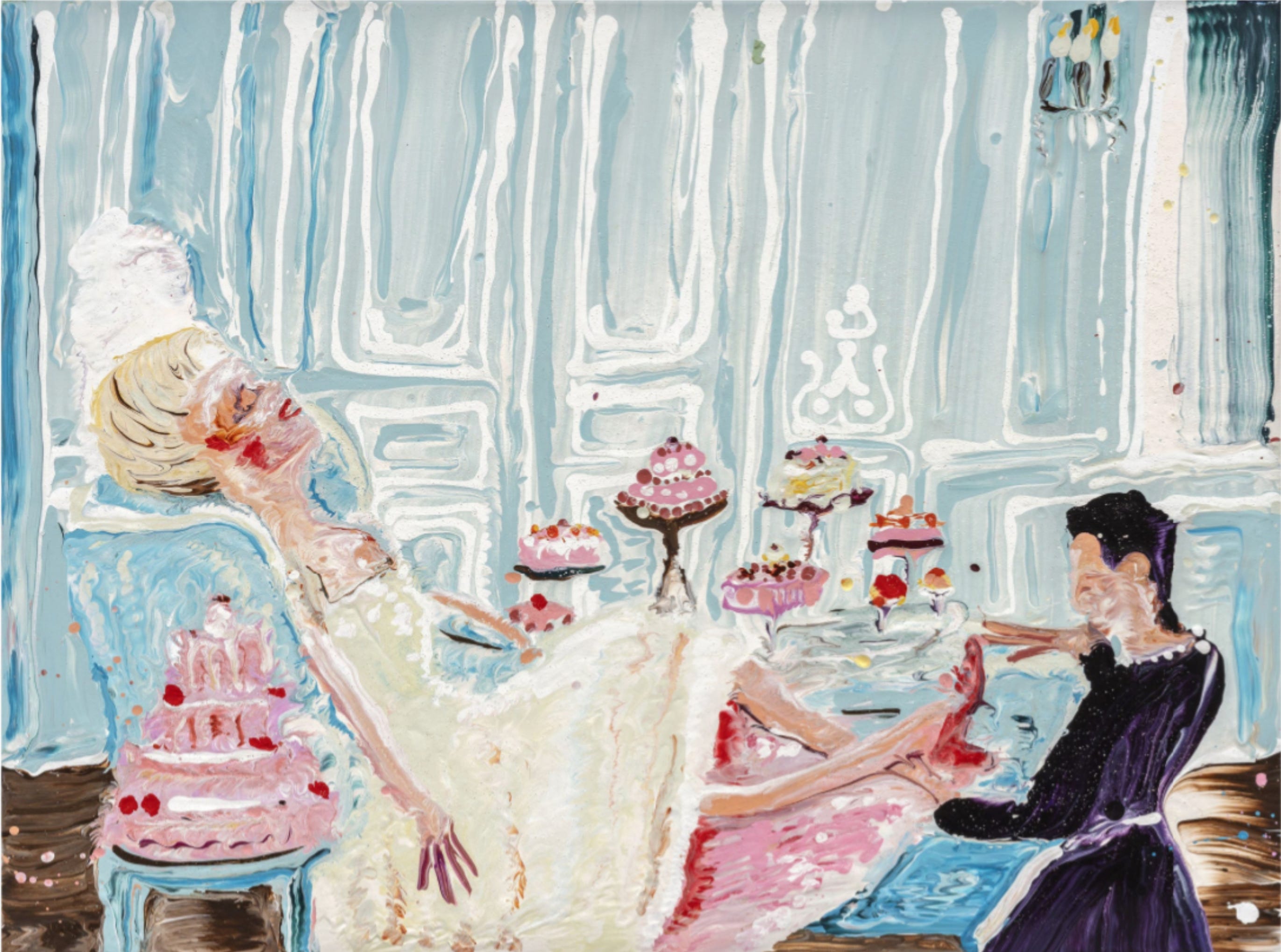
Genieve Figgis reimagines the stiff grandeur of art history as a swirling, candy-colored fever dream, using thick, dripping paint to turn stately manors and social rituals into scenes of playful decay. I was lucky enough to acquire two pieces before her prices skyrocketed, and they bring me tremendous joy.
20. Leonor Fini (1907 - 1996, Argentina, France)
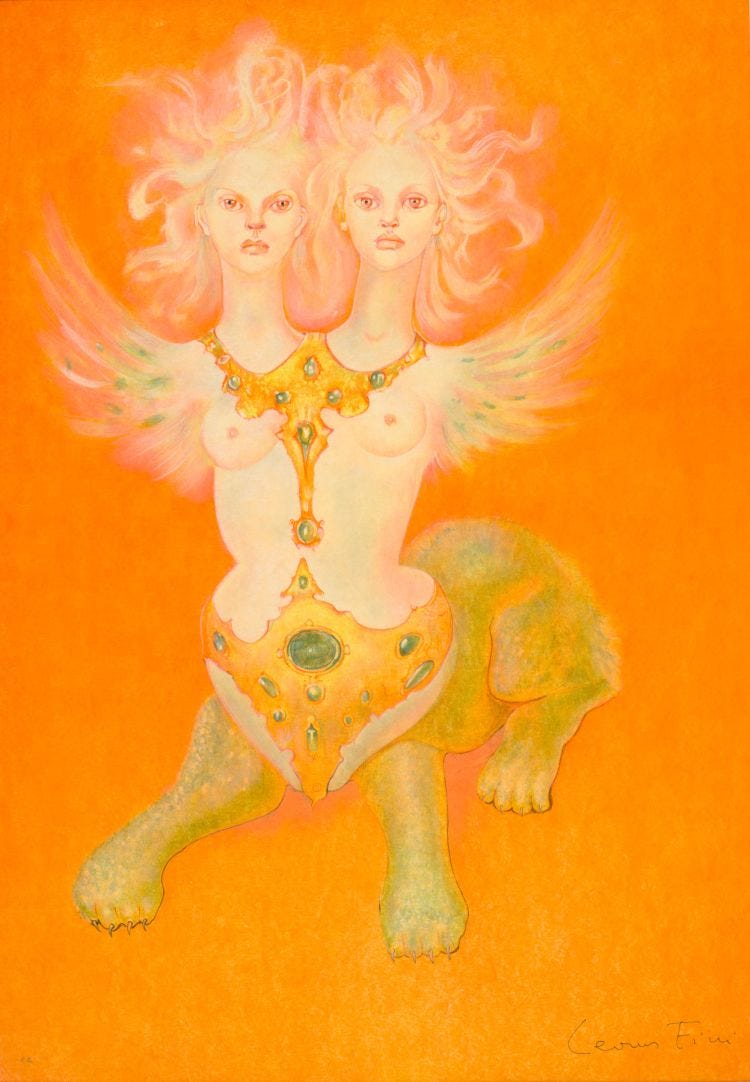
Another master practitioner of theatrical surrealism, Fini crafted a world of mythical power in which feline-human hybrids and sovereign women rule over lush, decaying landscapes. I have a fun piece on her coming soon! More here.
21. Azzurra Galatolo (Working, Italy)
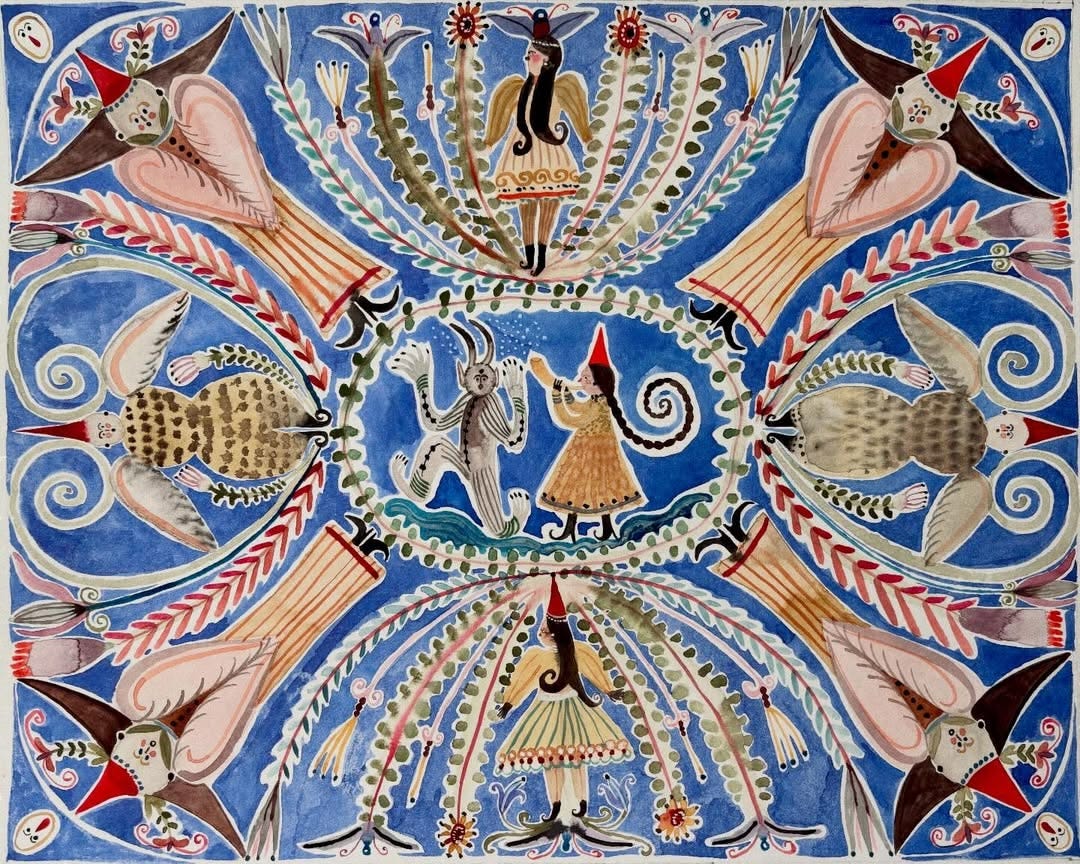
Galatolo’s work is a colorful play of magic and subtle strangeness rendered in a vibrant yet earthy watercolor palette. Childlike whimsy at its best.
22. Alexander Girard (1907–1993, NYC, Italy, New Mexico)
Another pic from Jenna O'Brien:
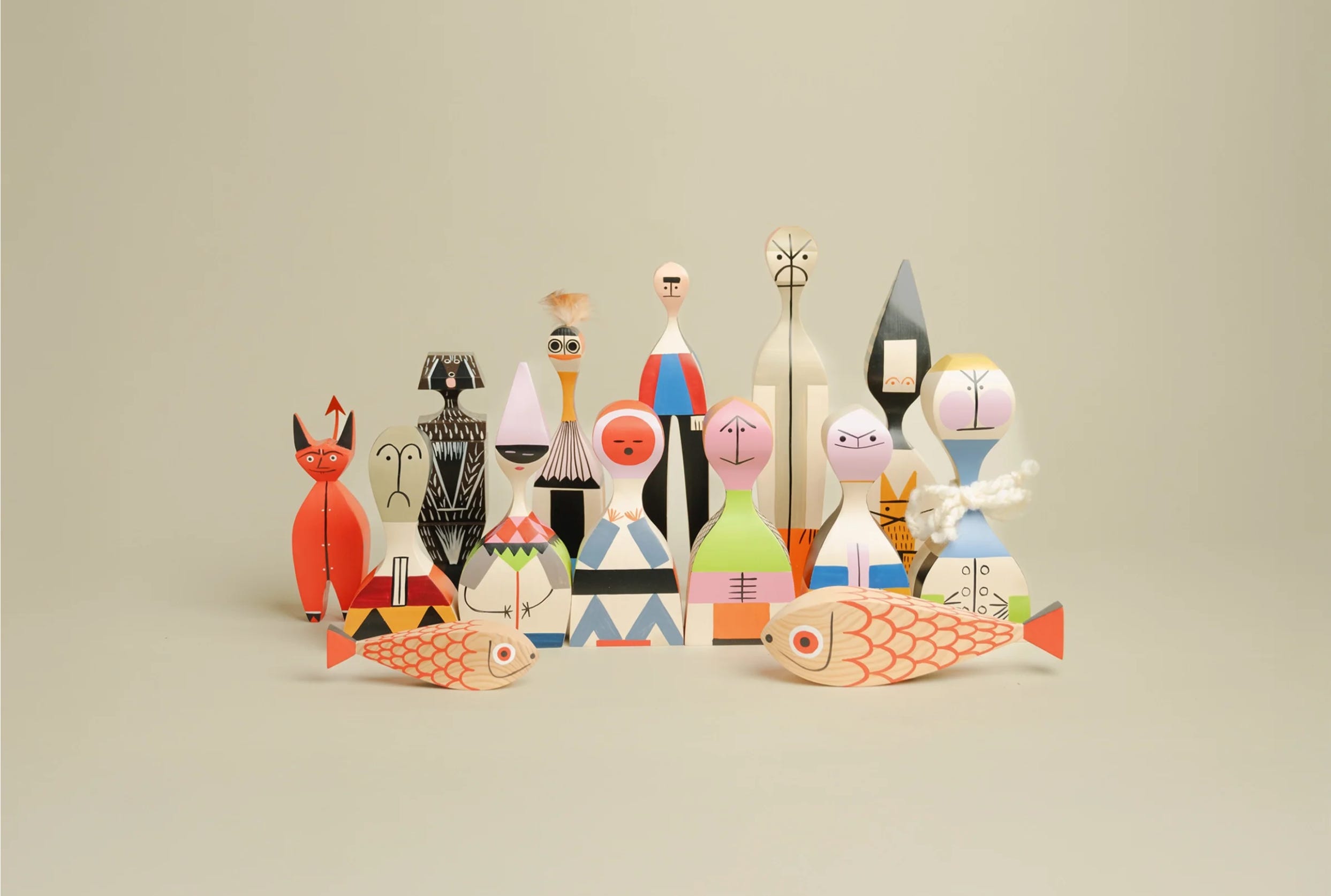
“Girard was a force of design at Herman Miller for a long time, pulling together incredible pattern design, illustrations, and graphics. His vast collection of folk art at the end of his life is so inspiring to me. He collected AND designed. And his designs were full of vibrant color choices, faces, and whimsical motifs.”
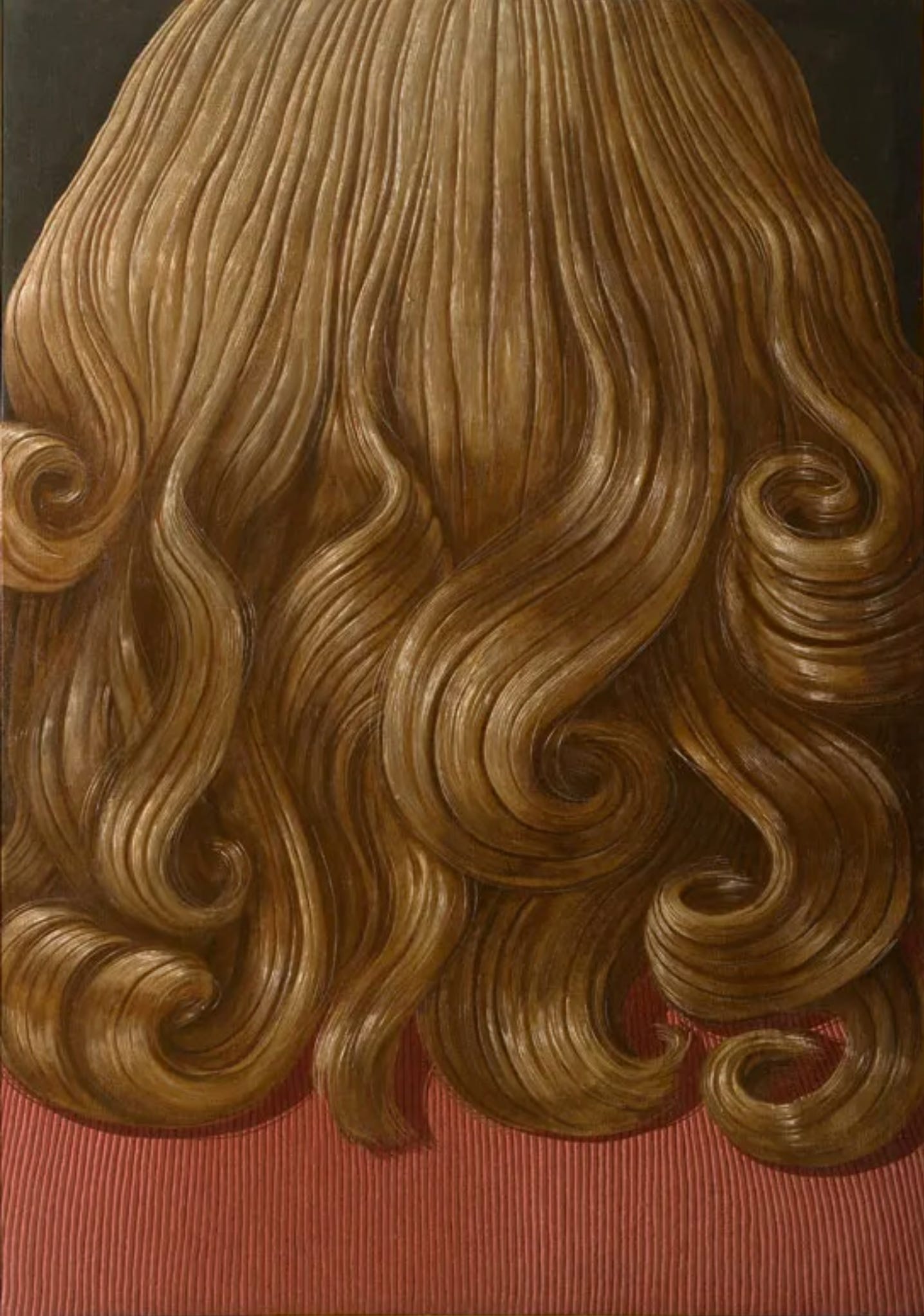
23. Domenico Gnoli (1933–1970, Italy, Spain, New York)
Gnoli took the most mundane, everyday details—like the texture of a tablecloth or the part in someone’s hair—and painted them with such singular focus that they become impossibly chic.
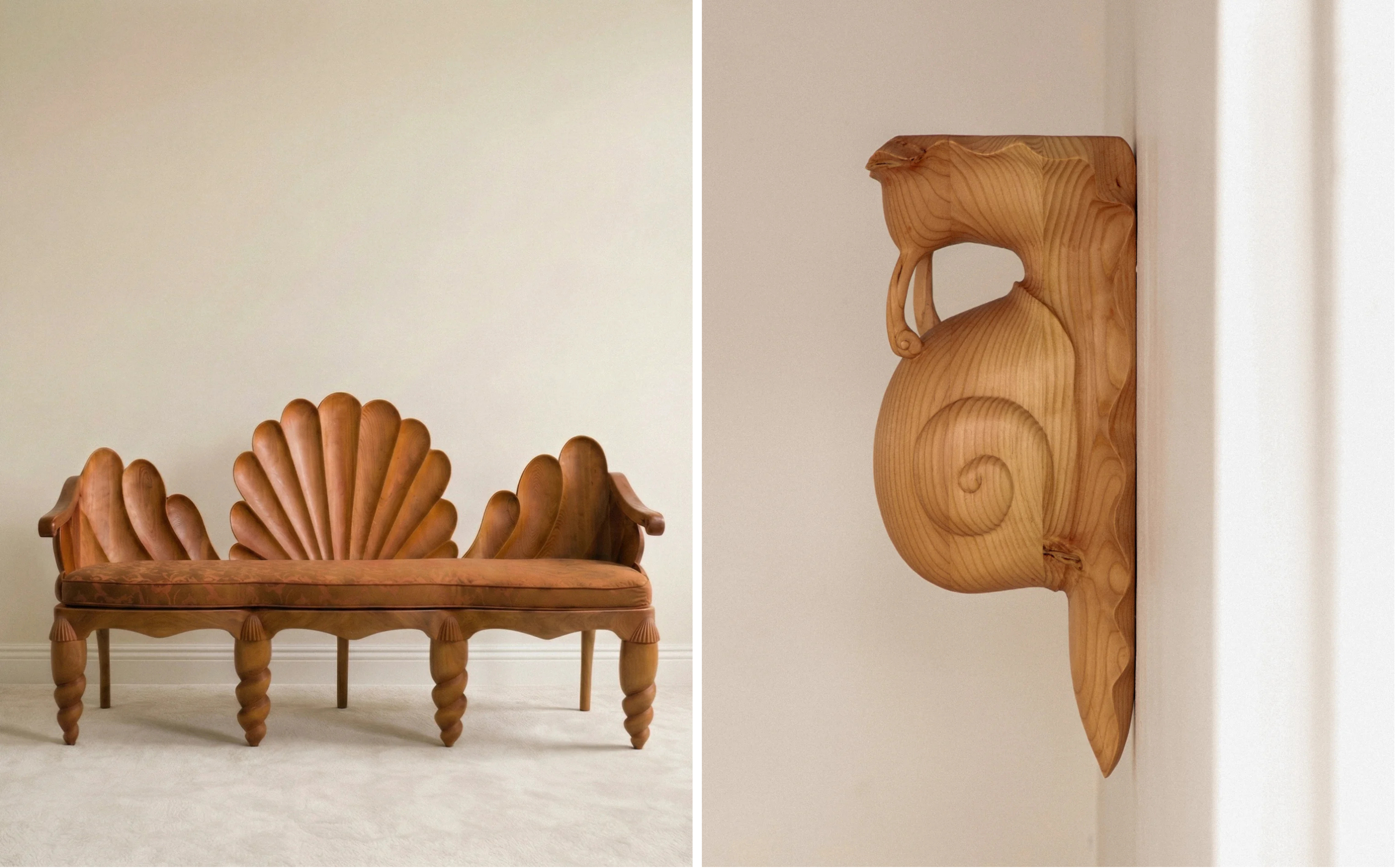
24. Miles Gracey (b.1987, Hudson, New York)
Our newest artist/designer at LES, Gracey, has become a fast favorite. Gracey blends narrative, fantasy, and craft into functional pieces drawn straight from the magic of nature.
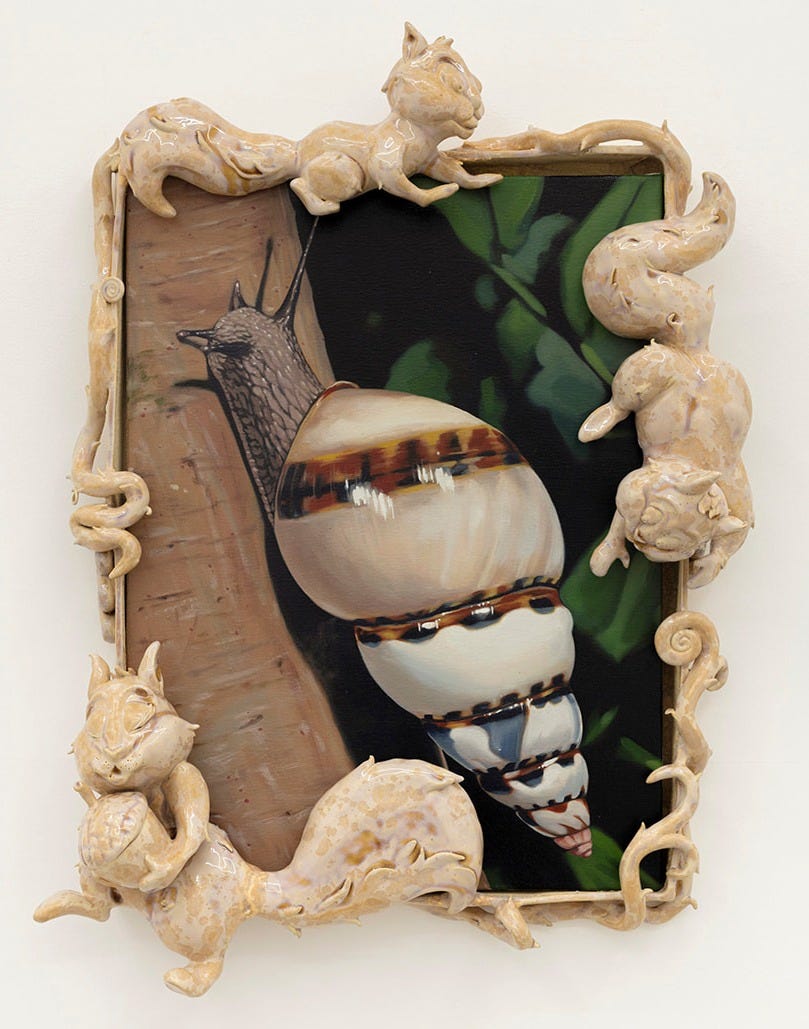
25. Stephanie Temma Hier (b.1992 Brooklyn, NY)
Hier turns the "trinket" into a bold, slightly bizarre statement on what we choose to treasure.
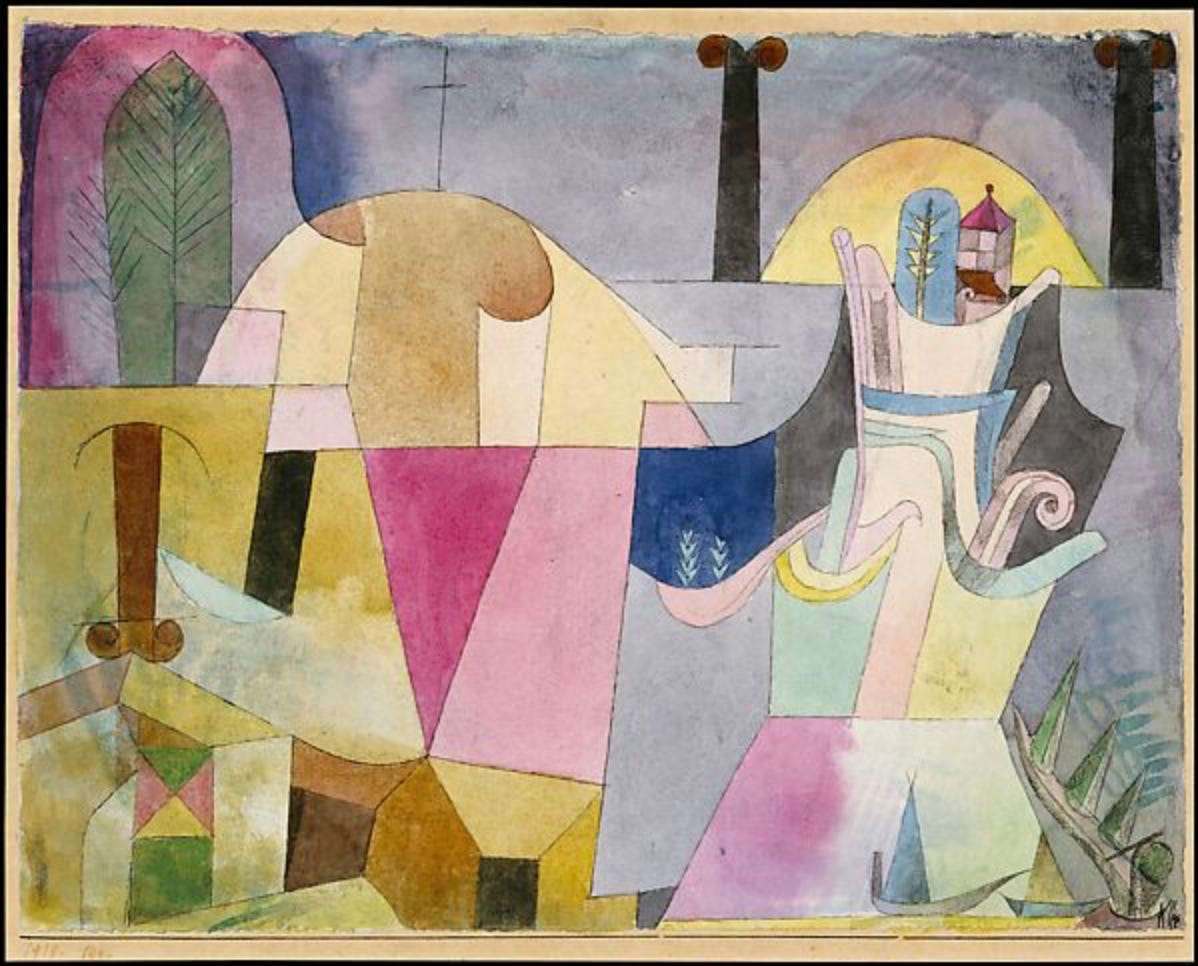
26. Paul Klee (1879–1940, Switzerland, Germany)
Klee used an almost childlike shorthand of symbols and geometric shapes to create geometric paintings that follow his own wondering, whimsical logic.
27. Danielle Kosann (b.1986, New York)
Kosann reimagines the contemporary feminine experience, rendering ordinary moments with a dreamlike quality while challenging societal taboos around female gathering.
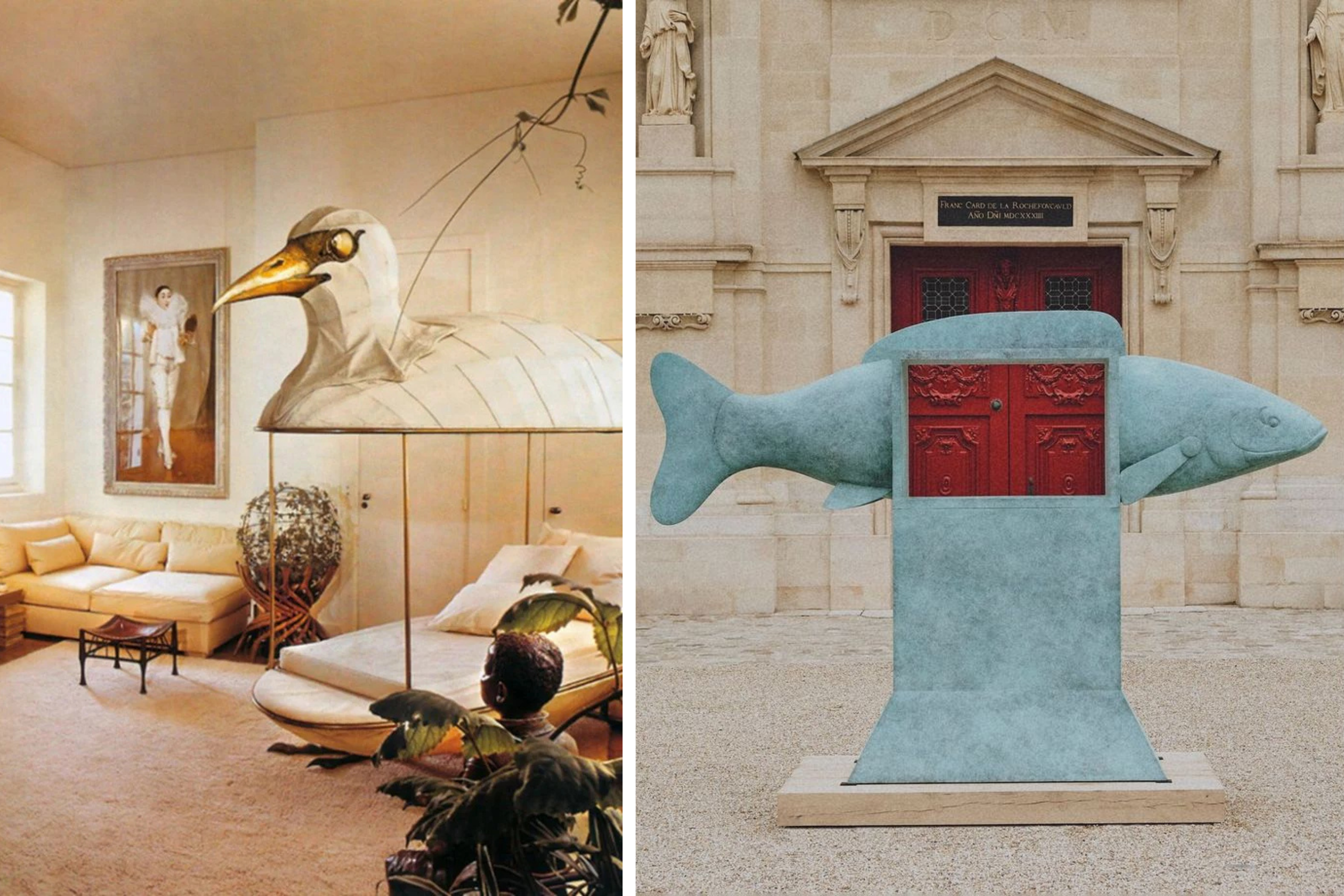
28. François-Xavier and Claude Lalanne (1927–2008 & 1924–2019, France)
Les Lalanne were one of the most dynamic husband and wife duos of the 20th century. They blurred the line between the fine and decorative arts, sometimes creating functional objects or furniture, and other times pure sculpture, always imbuing their work with a sense of fantastical whimsy. More here.
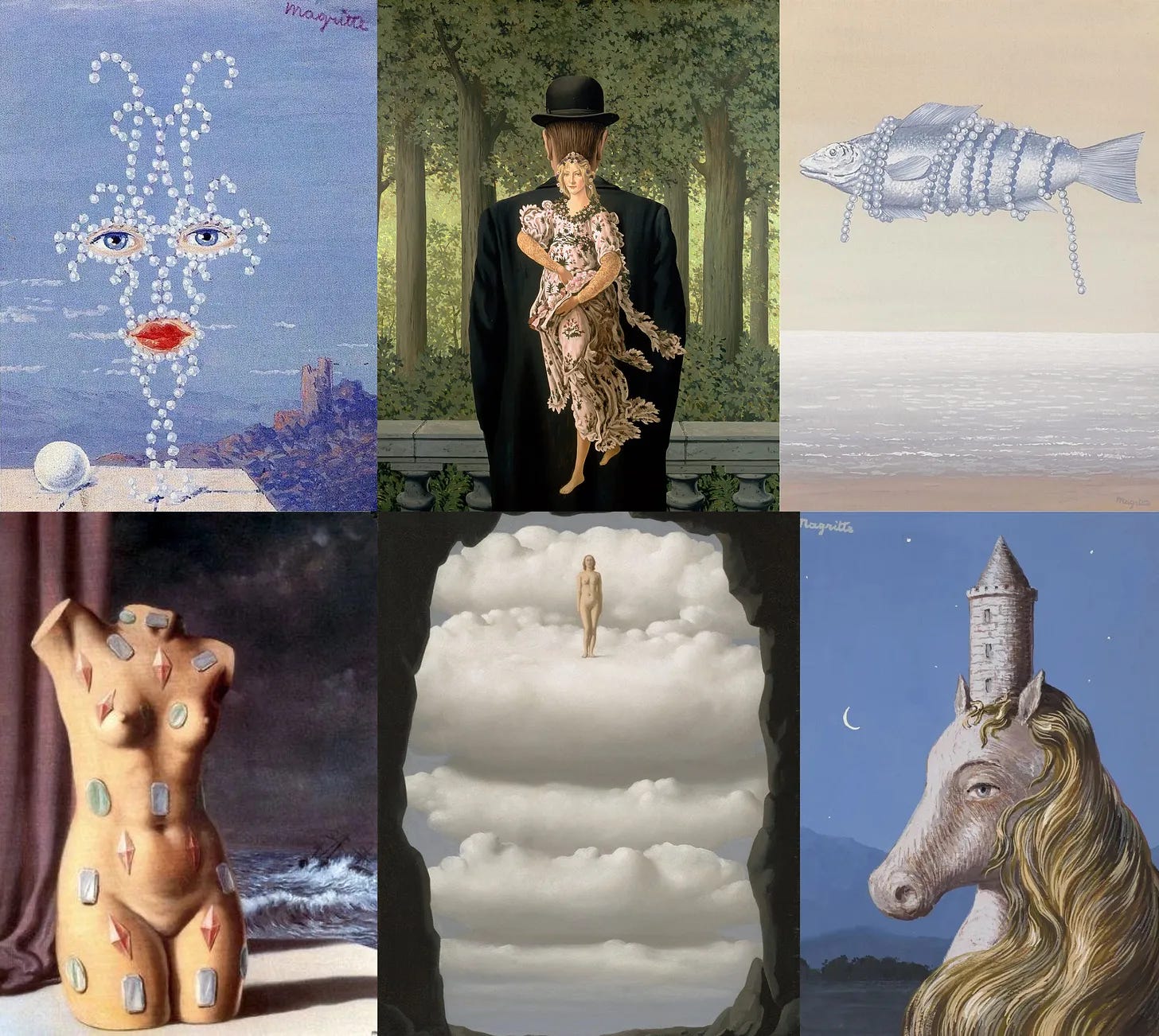
29. René Magritte (1898–1967, Brussels, Belgium)
Magritte's aim was not to create fantasy for its own sake but to provoke thought by revealing the strangeness all around us. To him, fantasy was about making the familiar unfamiliar so that we could see reality anew. Always with a subtle sense of humor, like summer, decadent, witty, curious, and strange. I wrote more about him here.
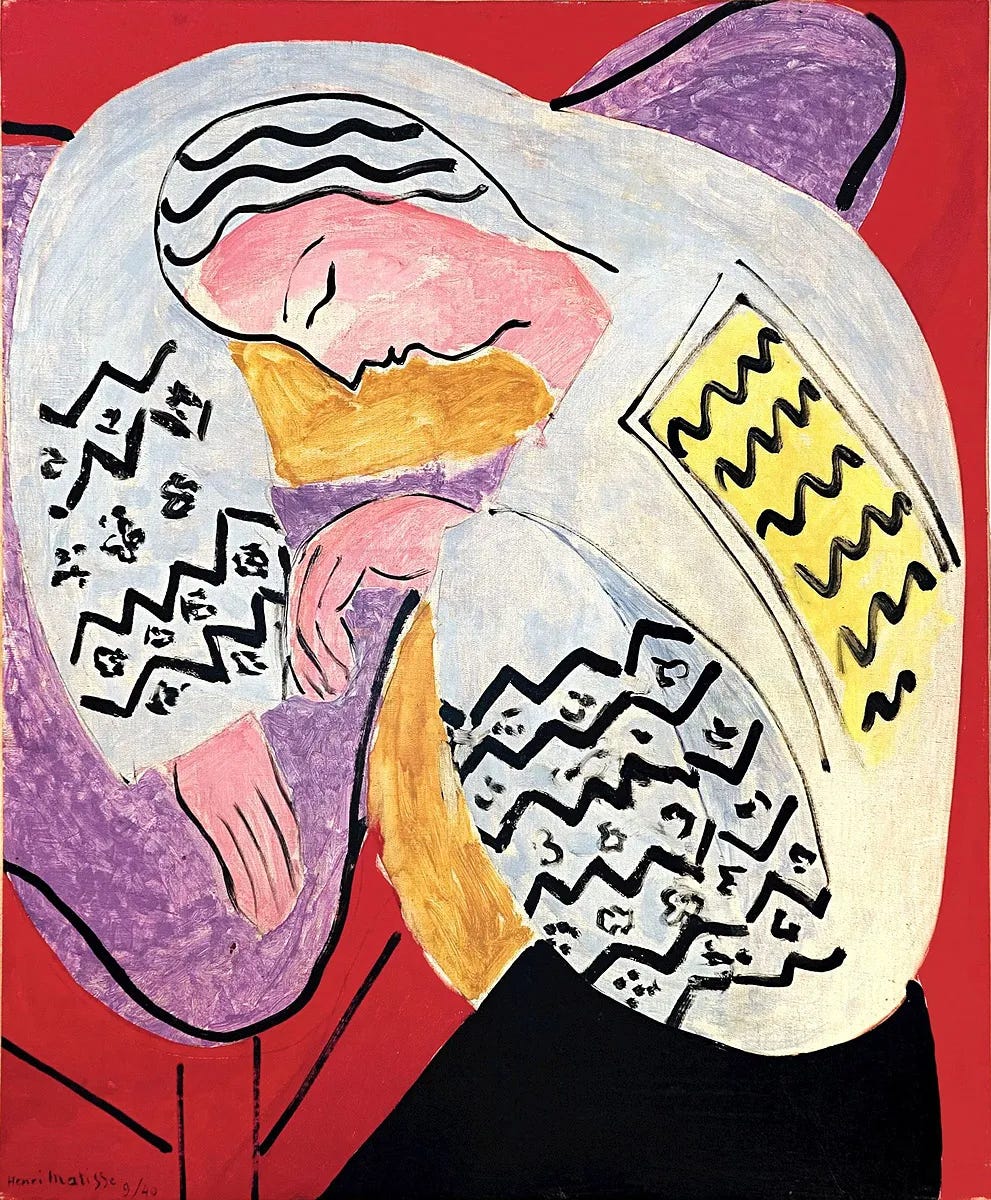
30. Henri Matisse (1869–1954, France)
With a few bold strokes of color and a famously simple line, Matisse proves that curiosity is a transformative power. He turned familiar scenes into vibrant, joyful paintings that feel both jubilant and decadent.
31. Gracey Mattingly (b.1991, London, UK)
Mattingly captures a hazy, technicolor kind of magic where friendship and nature feel equally dreamlike, creating scenes so full of wonder that I actually have this particular piece hanging in my daughter’s bedroom. More here.
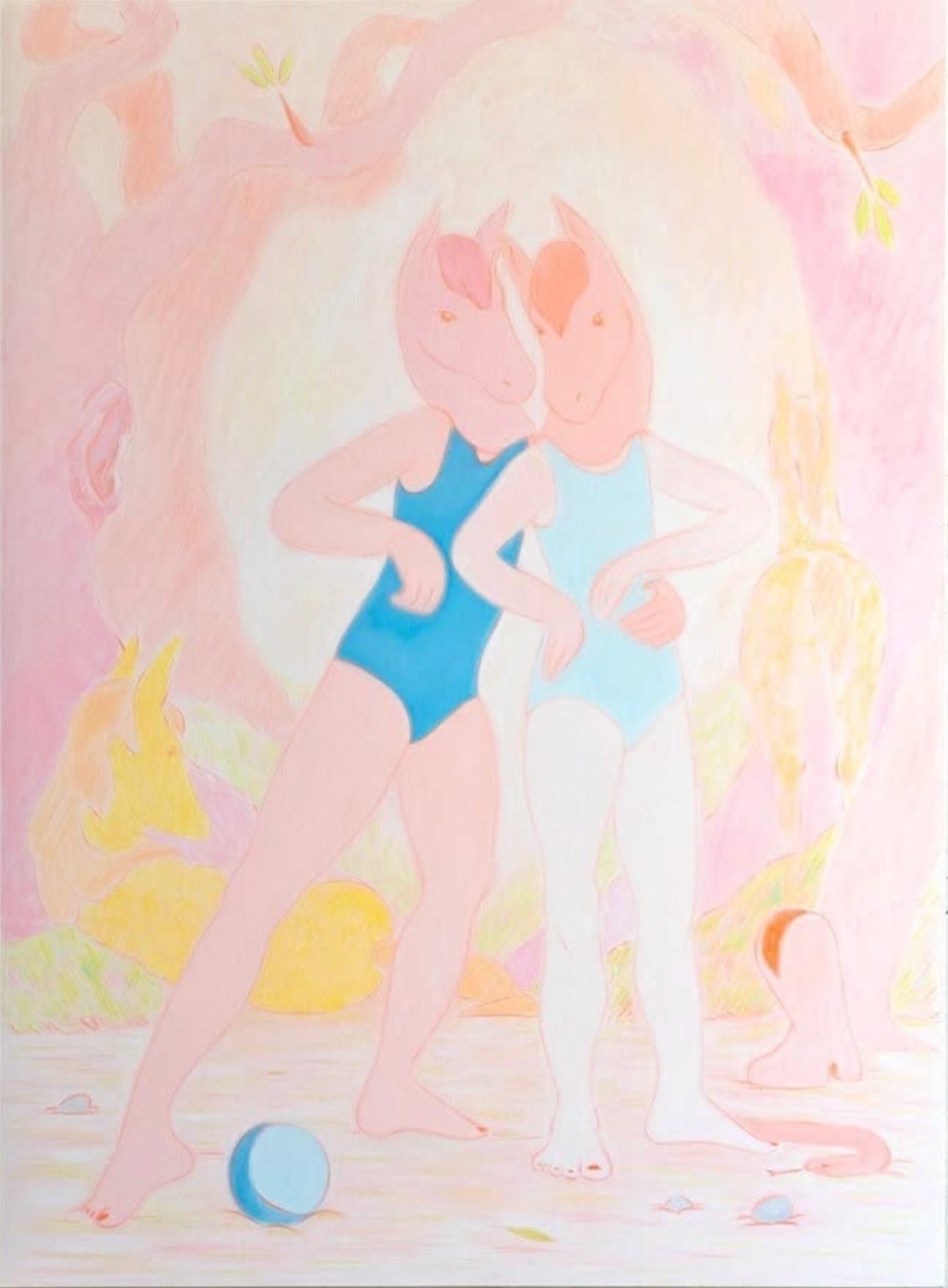
32. Gustave Moreau (1826-1898, France)
A pick from Julien at Cool Stories About Art
“The first time I saw a Gustave Moreau painting, I didn’t get it. Too much gold, too much detail, too much everything. It looked like religious art on LSD.
Then I found the key. Moreau is the founder of Symbolism in painting, a late 19th-century movement that refused to depict the real world. His obsession? Myths. Salome, Oedipus, Orpheus, Jupiter.
But where academic painters treated these subjects in a tame, textbook way, Moreau turned them into hallucinations. He piled layers of paint so thick that some canvases look like surfaces encrusted with gemstones. He drew from Byzantine enamels, mosaics, Persian and Indian miniatures, and fused it all into paintings that literally look like giant jewels.
Degas, who knew him well (they traveled through Italy together), summed it up with a killer line: “He puts watch chains on the gods of Olympus.”
His impact goes far beyond painting. Oscar Wilde drew directly from his Salome to write his play. André Breton, the father of Surrealism, said that visiting the Moreau museum at age 16 “influenced forever his idea of love.” Dalí considered him a forerunner.
And late in life, Moreau became a professor at the École des Beaux Arts, where he trained 130 students. His method? The total opposite of academicism: he sent them to copy at the Louvre, refused to impose any style, and kept telling them “Have the imagination of colour.” One day, while correcting a student’s work, he said: “You are going to simplify painting.” That student was Henri Matisse.
Moreau is also a favorite of mine. I wrote about him here.
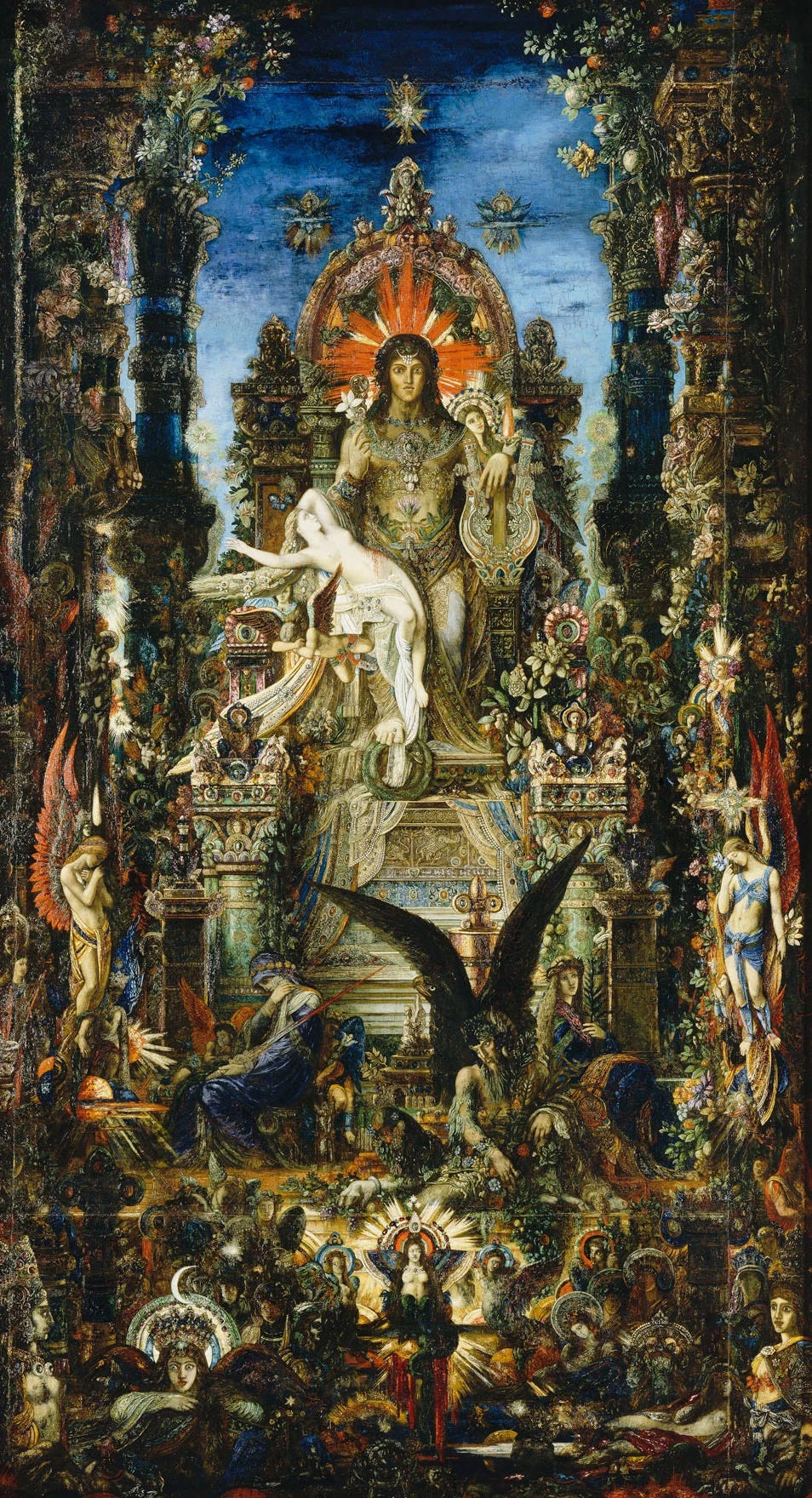
33. Joan Miró (1893–1983, Spain, France)
Miró had a way of stripping the world back to its most playful, elemental parts—a lone star, a wandering line, or a bold splash of primary color—to show us that reality is far more curious and strange than we usually give it credit for.
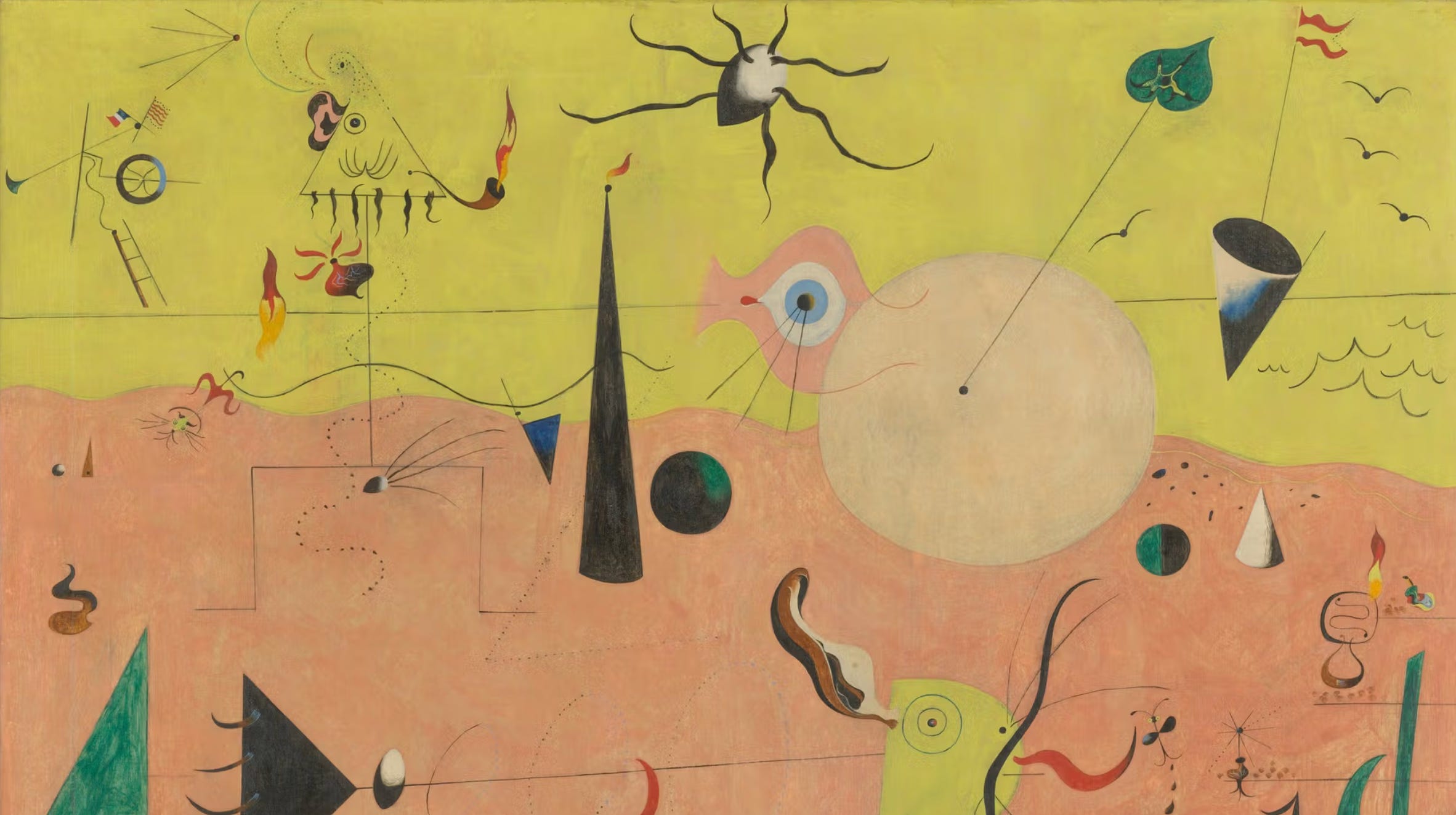
34. Ayako Miyawaki (1905–1995, Nagoya, Japan)
Miyawaki turned the simple act of "making" into a form of magic, using scraps of vintage fabric to create appliqué patches of vegetables and fish that feel incredibly modern.
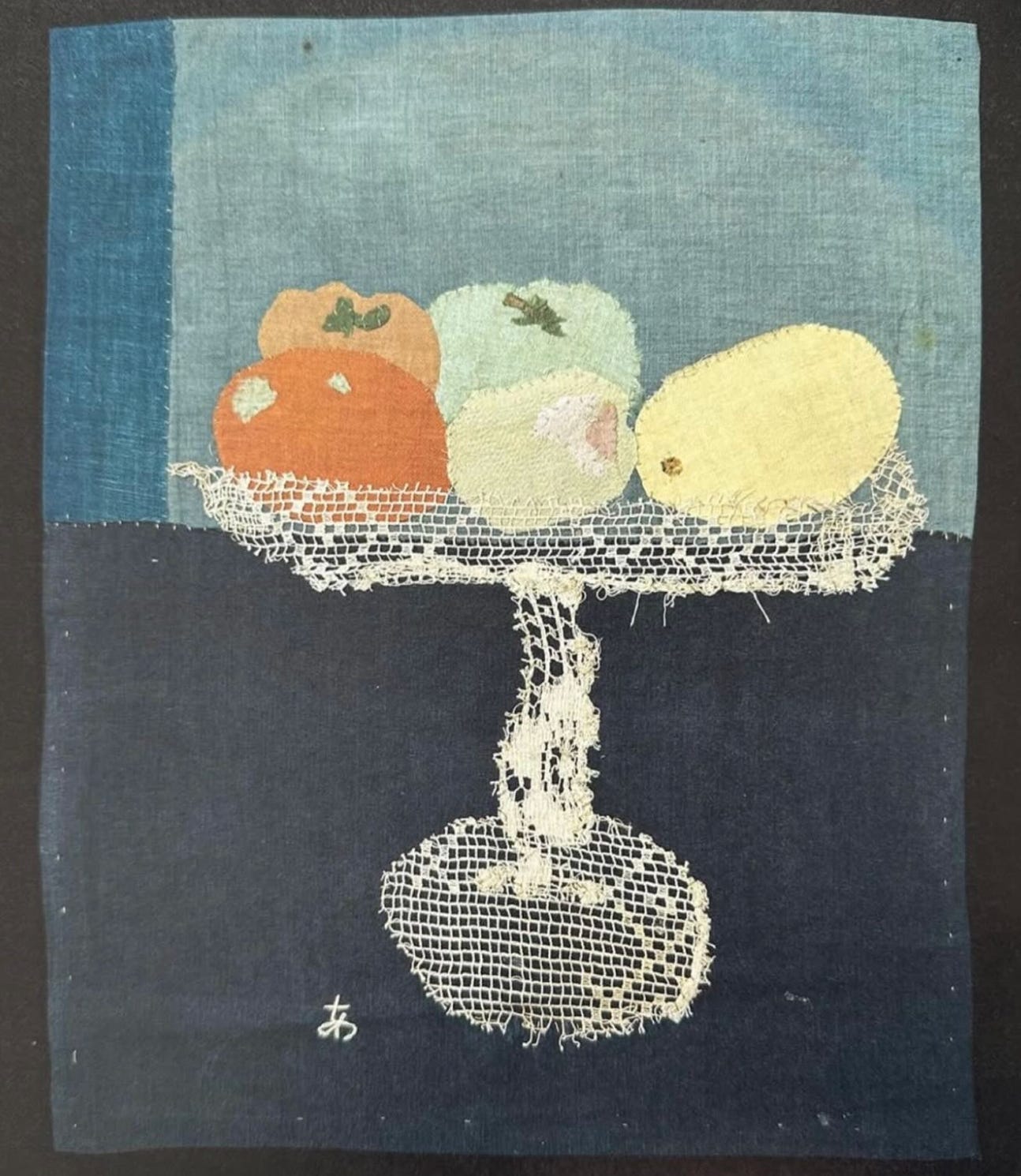
35. Yukiko Noritake (Working, France)
Noritake constructs imaginary rooms where Art Deco elegance meets a playful, surreal inventiveness, using her paintings to "design" ideal spaces that feel suspended in a witty, sun-drenched dream. More here and here.
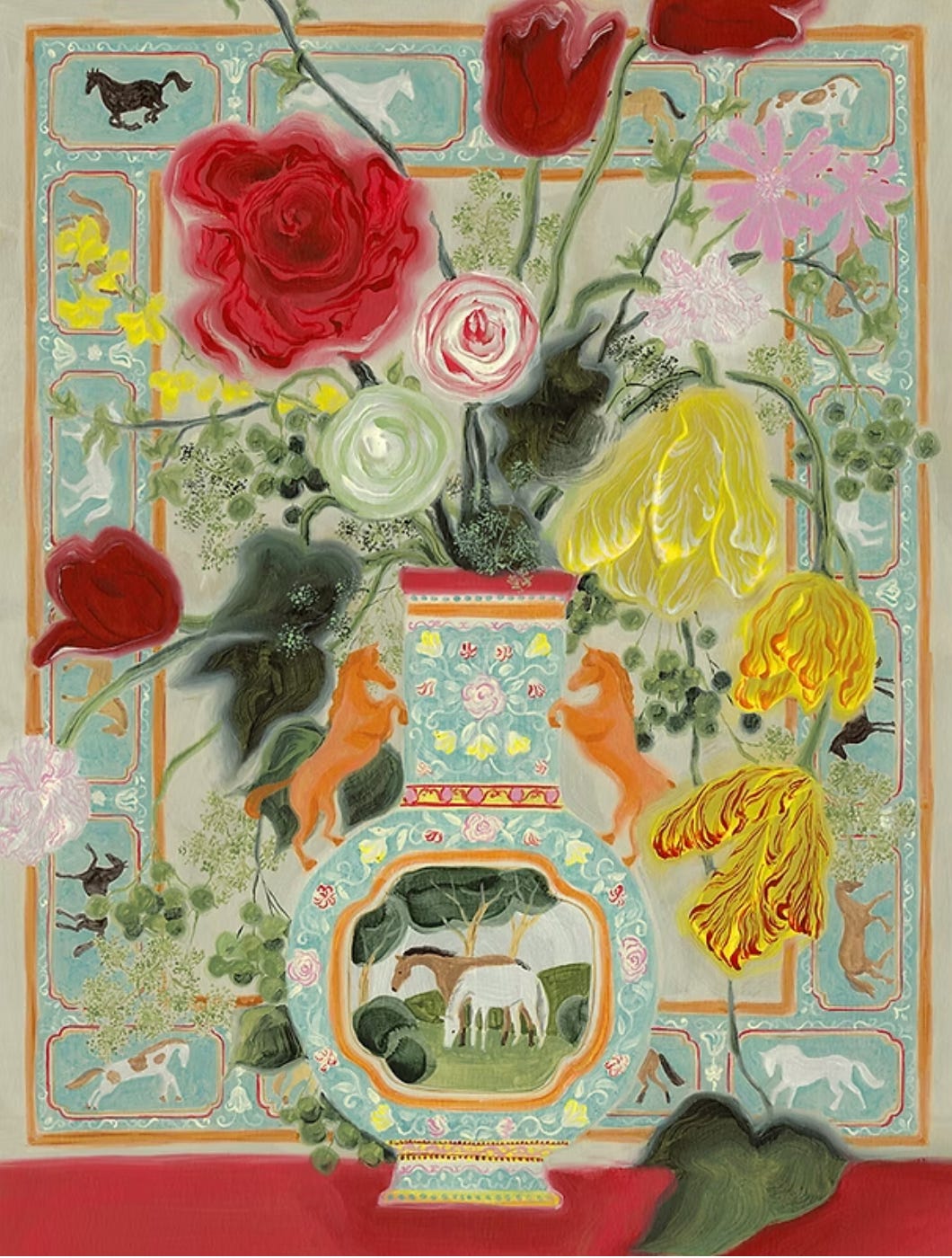
36. Nicolas Party (b.1980, New York City, Belgium)
Party uses a vibrant, jewel-colored palette and a soft pastel touch to transform figurative subjects into something wonderfully strange and decadent. More here.
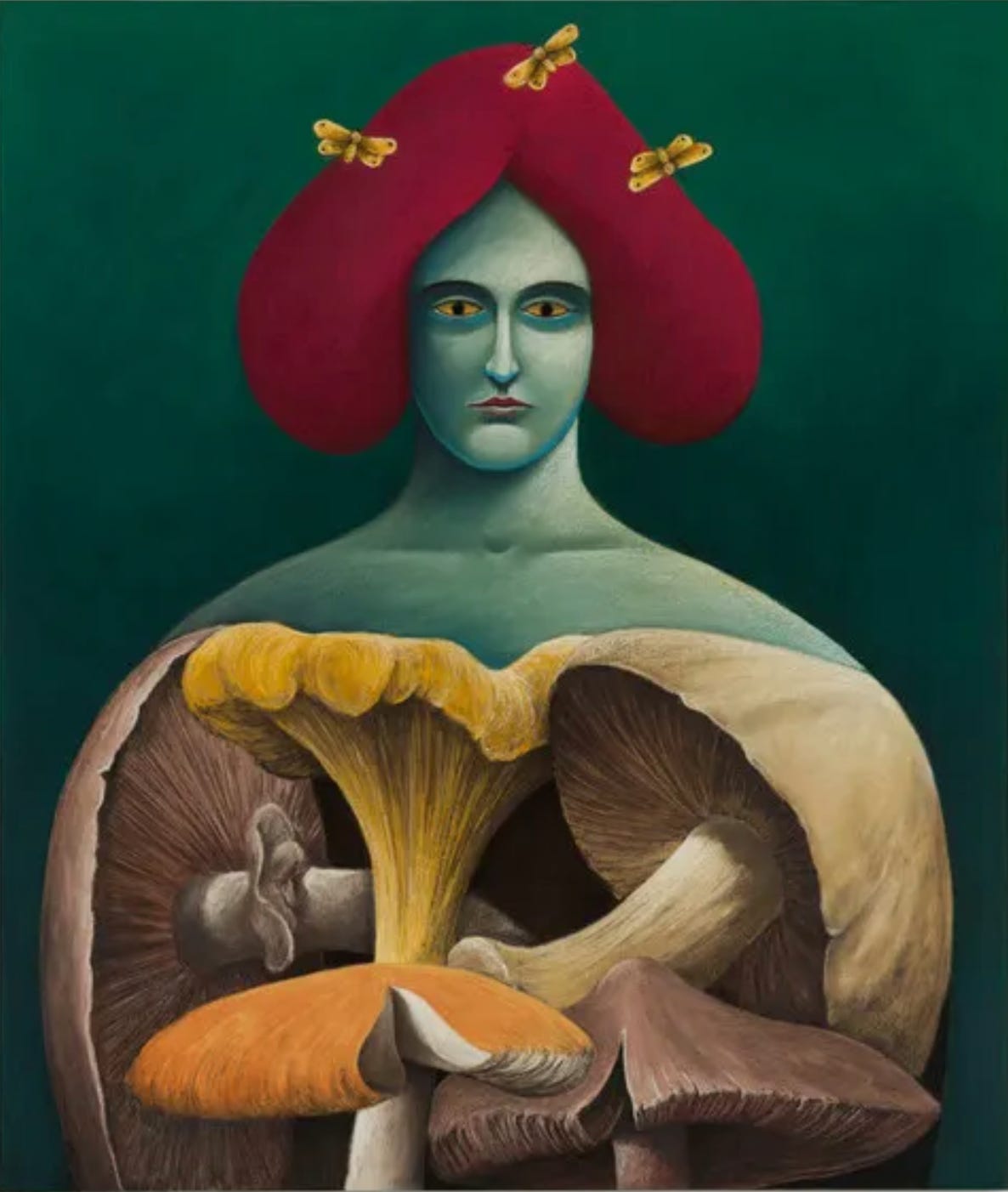
37. Pablo Picasso (1881–1973 Spain and France)
I know he is controversial, but I had to include him. Picasso was the ultimate shape-shifter, a man who spent his life unlearning the rules so he could look at the world with the fresh, uninhibited curiosity of a child.
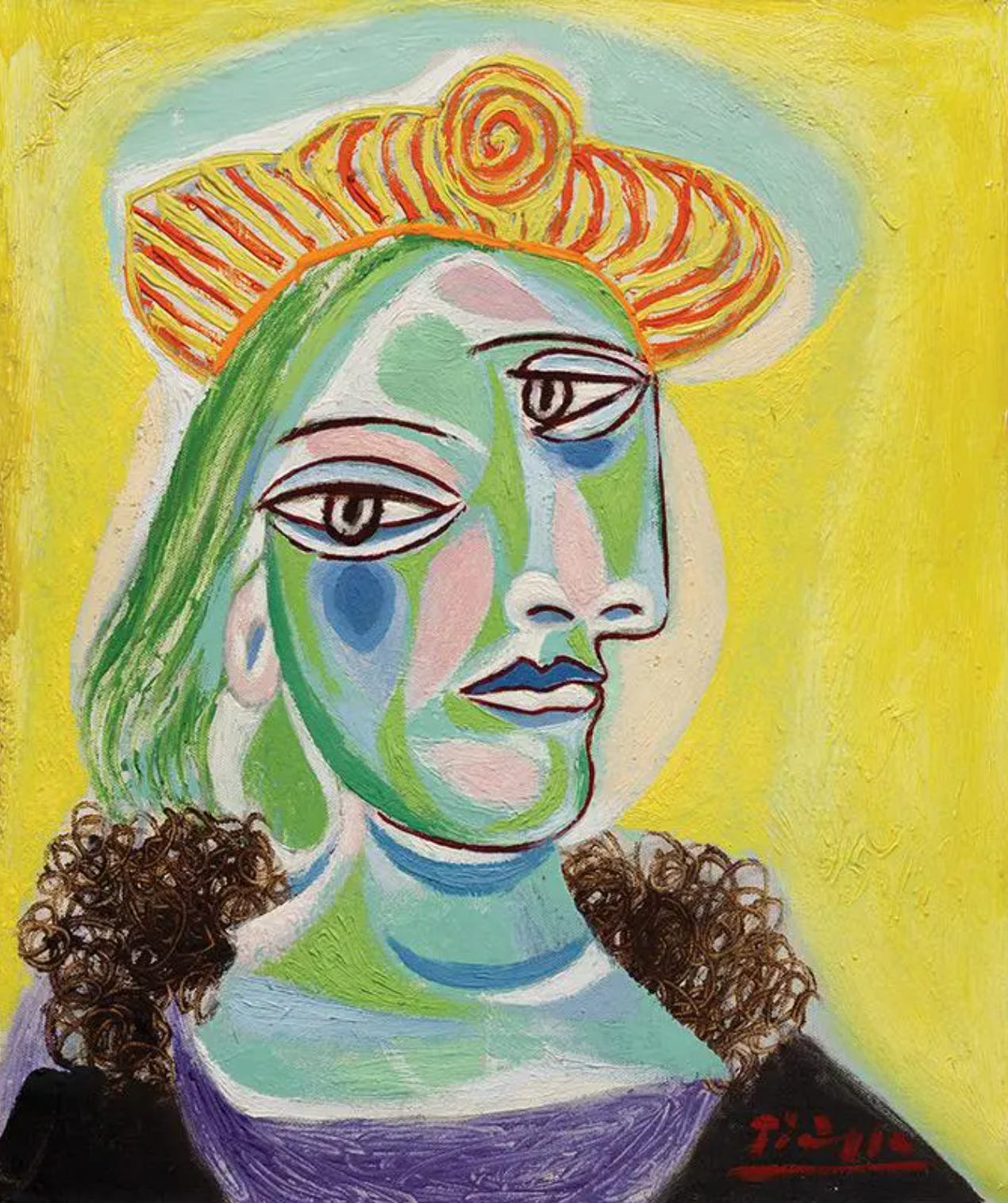
38. Marc Ranger (Working, Toronto, CA)
The expressive quality of Ranger’s linework brings what he describes as "body language" to each canvas, creating rhythm and movement that engages with surrounding spaces. More here.
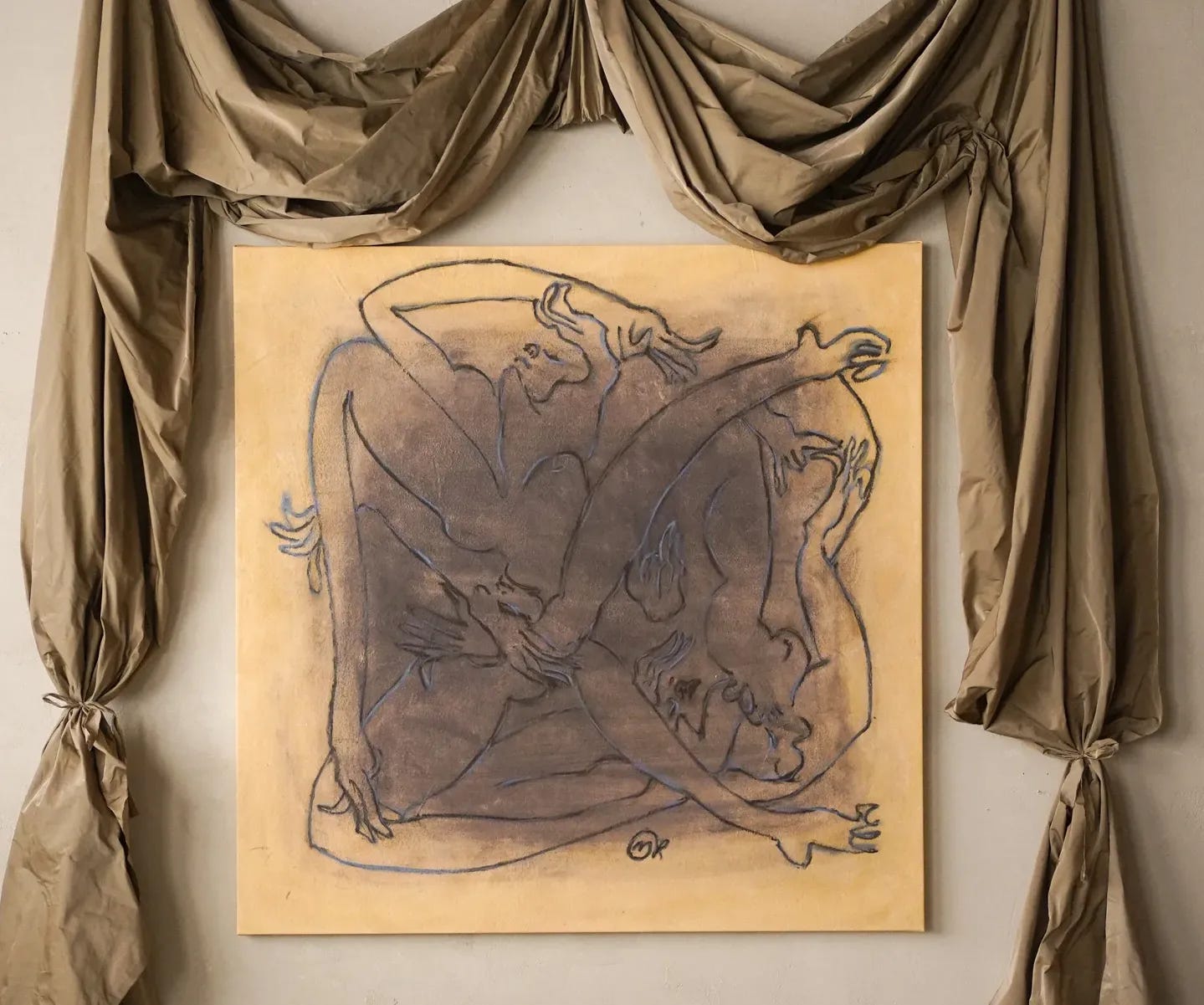
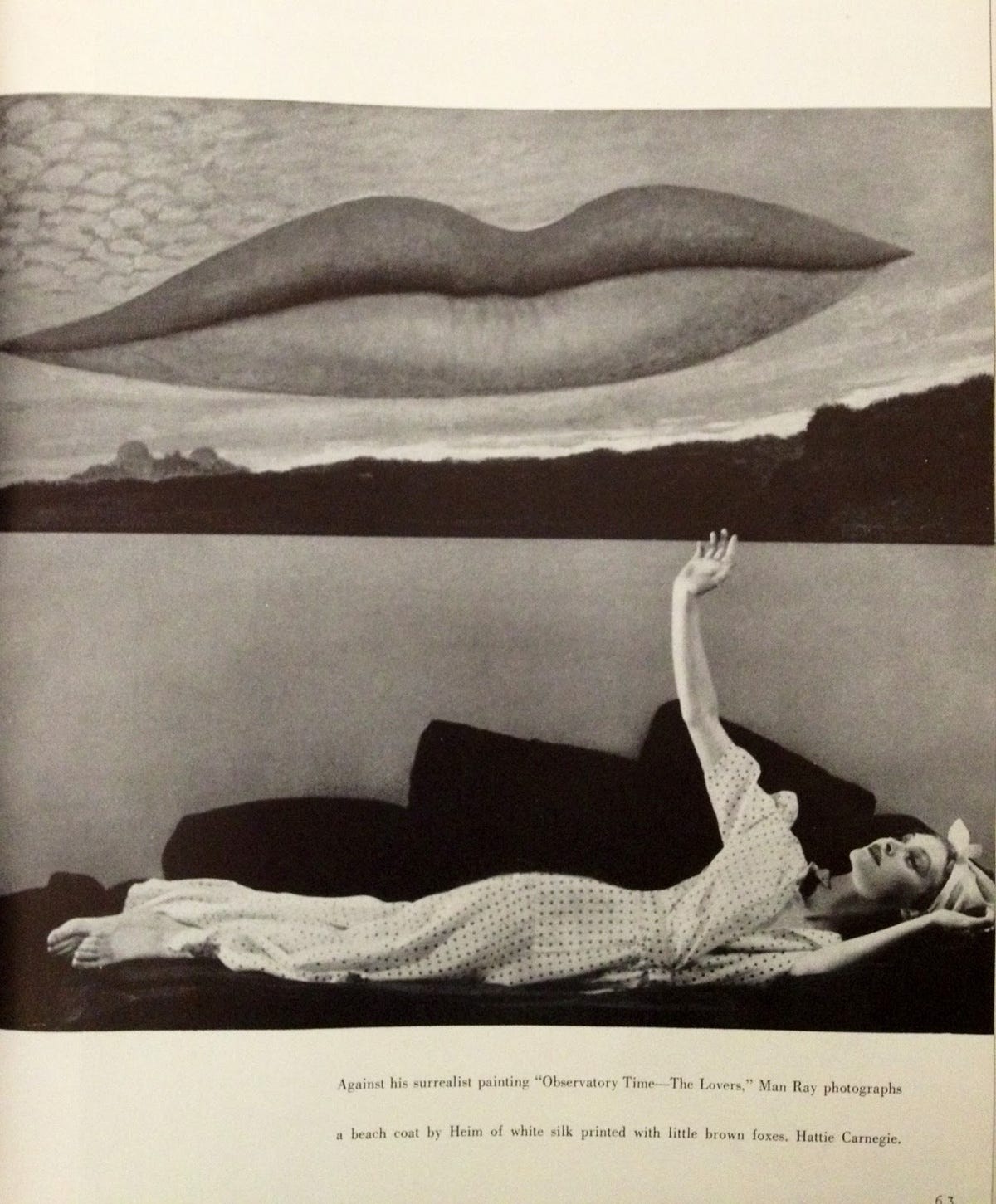
39. Man Ray (1890–1976 France, US)
Man Ray operated like a mischievous scientist of the soul, using light and shadow to strip away the world's logic and reveal a delightfully strange reality.
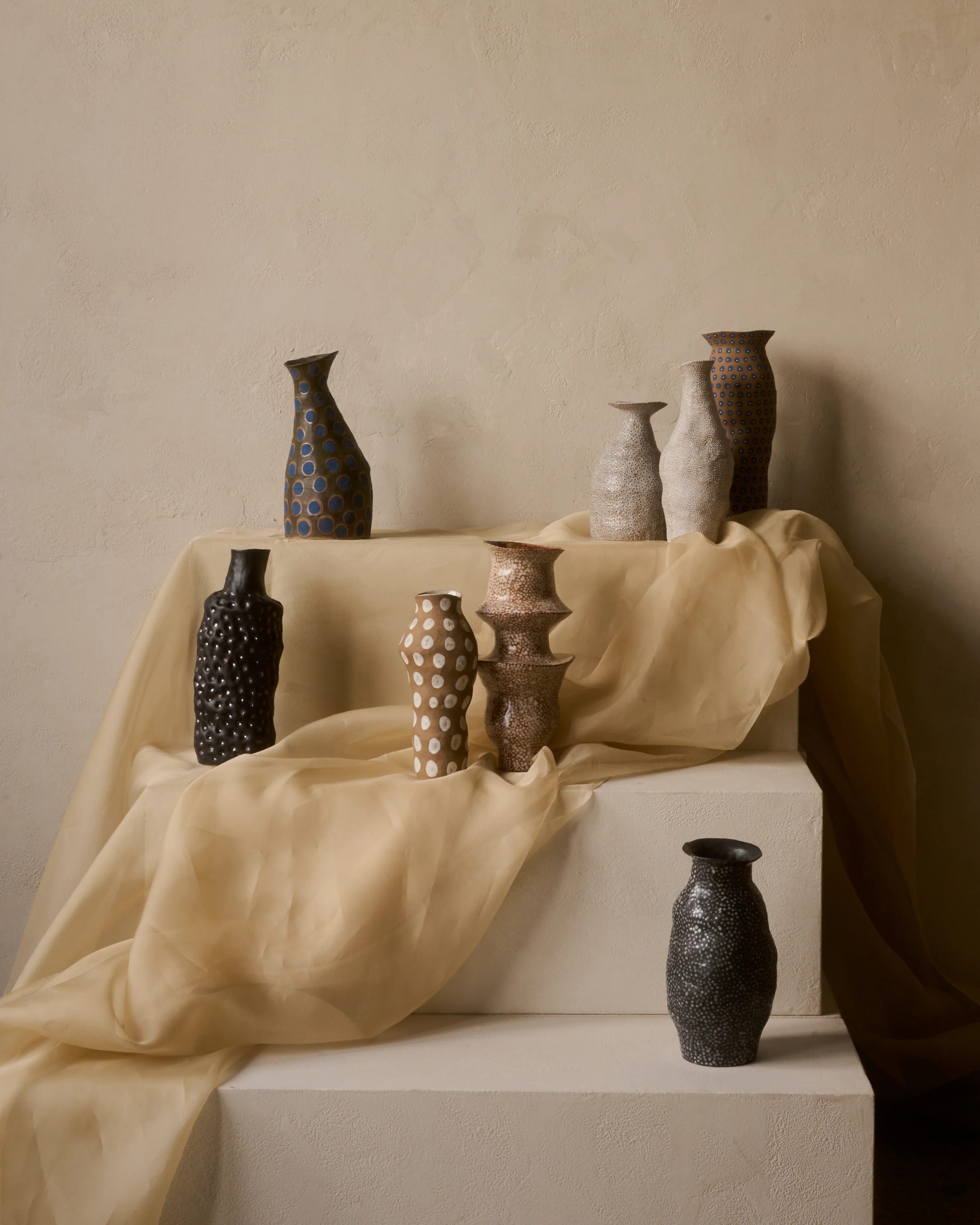
40. Jenny Rice (Working, Oregon)
Rice brings a sense of perfect imperfection and lighthearted magic to her wonky vessels that feel like they’ve just tumbled out of a storybook. More here.
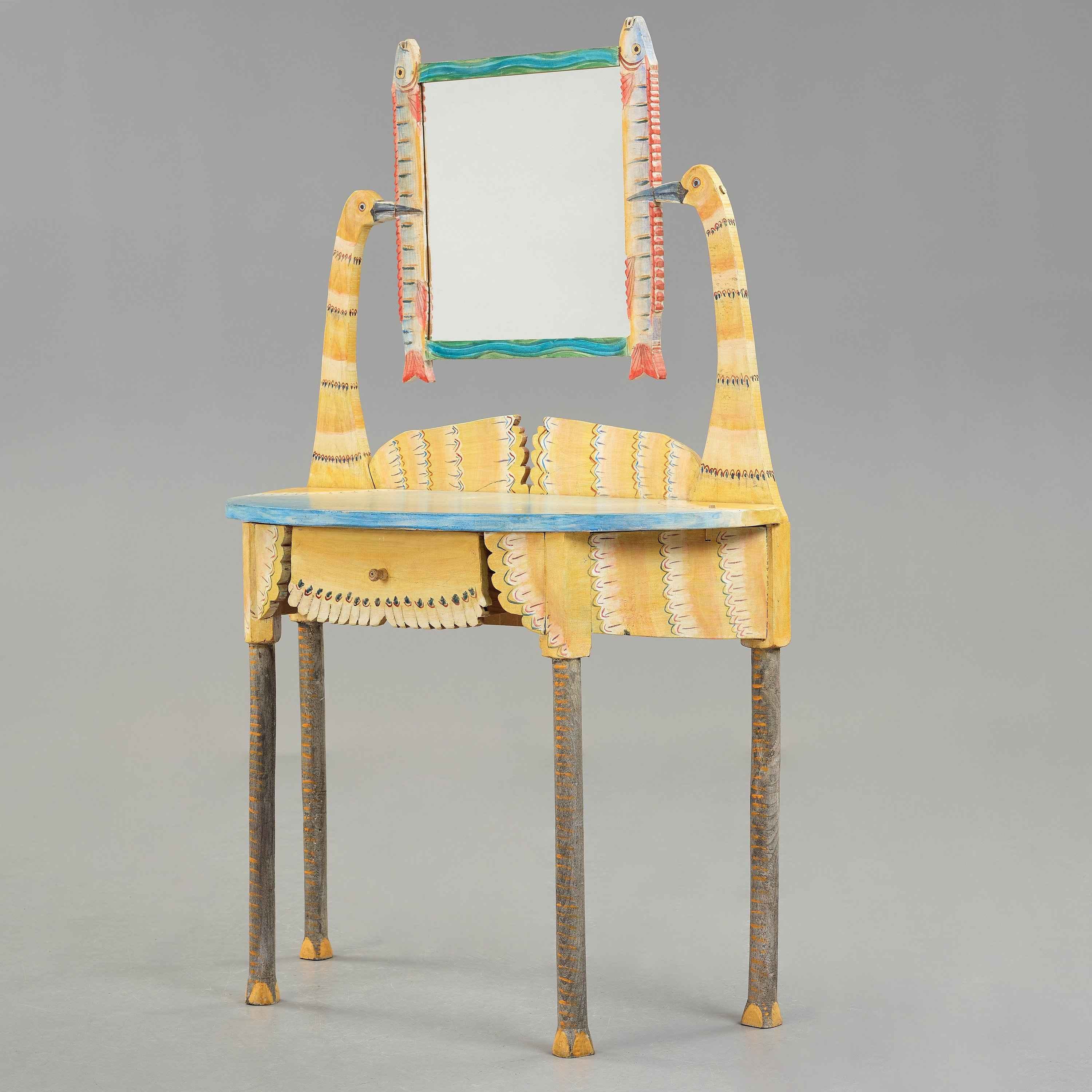
41. Gerard Rigot (1929 -?, France)
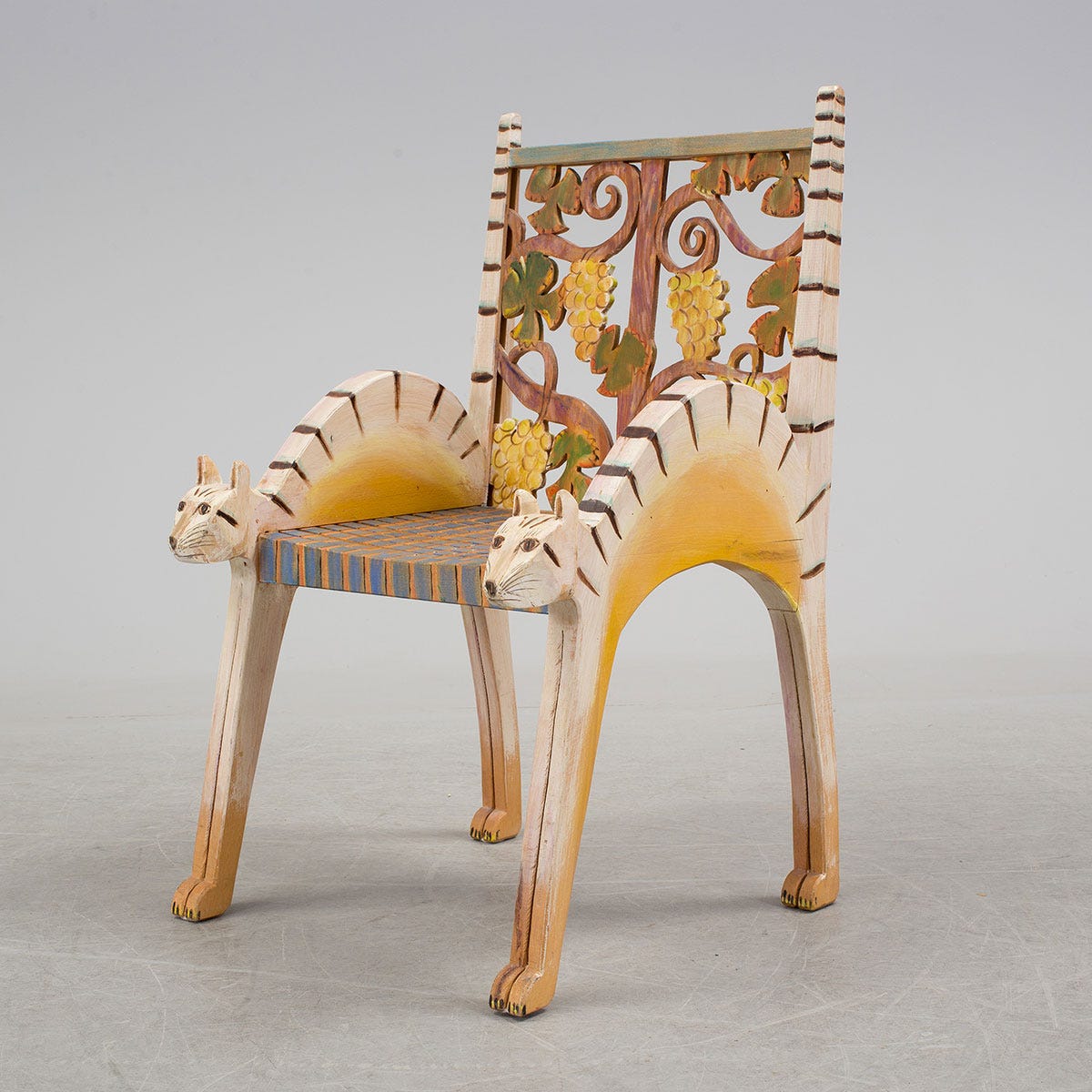
Rigot builds a vibrant, hand-painted menagerie of furniture where a chair might become a cat or a cabinet a colorful bird, turning the functional architecture of a home into pure play. I have a grayhound chair of his that is child-sized, but still a prized possession.
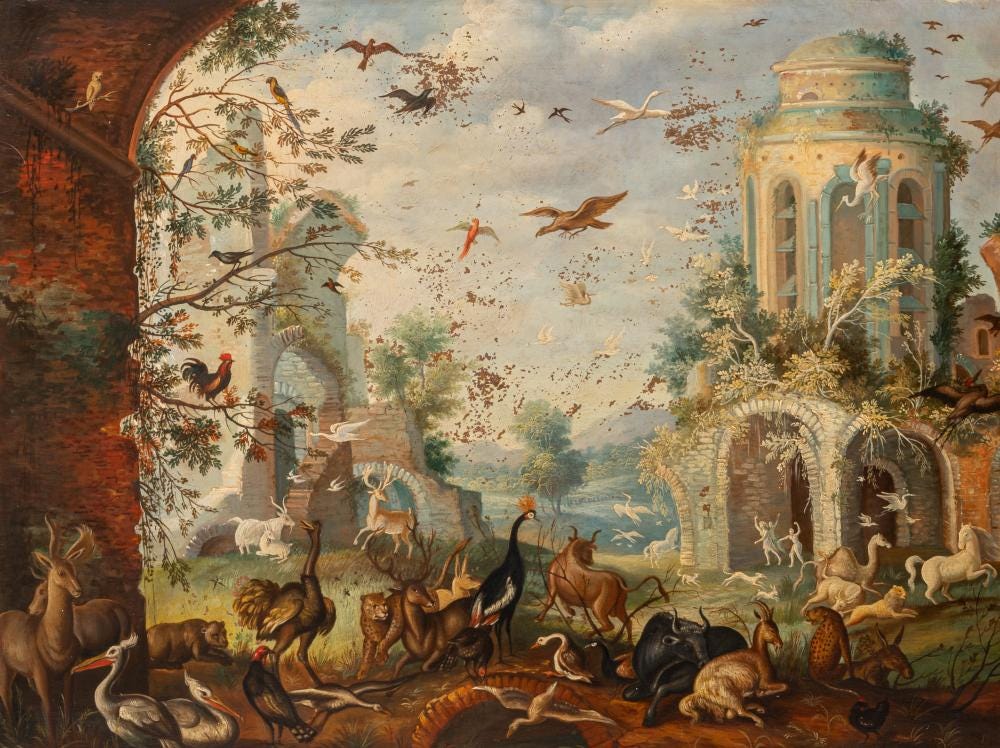
42. Roelant Savery (1576–1639, Prague, The Netherlands)
Savery was a pioneer of the crowded dreamscape, filling his canvases with a decadent and meticulous overflow of exotic animals and botanical wonders that make the natural world feel like a fantastical place.
43. Fritz Siebel (1913–1991, Austria, New York)
Siebel’s mid-century illustrations, most famously seen in Amelia Bedelia, use a lively, loose-handed wit to celebrate the literal and the absurd.
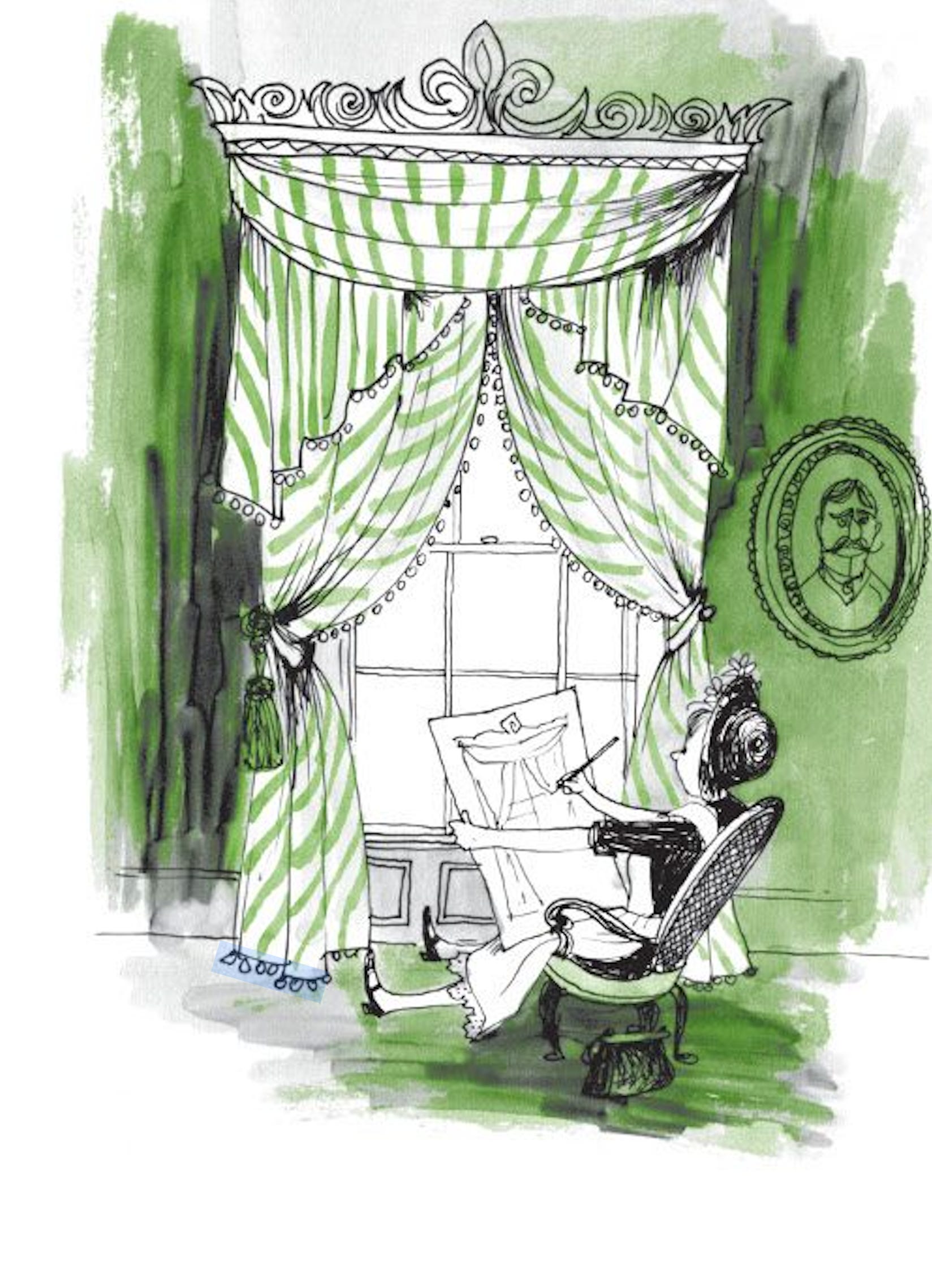
44. Saul Steinberg (1914–1999, Romania, NYC)
To me, Steinberg is pure joy and whimsy. His work feels like play. It’s exciting and lively, but at the same time, it has depth; it says something profoundly insightful about the world in which he lived. He’s one of my creative role models. Someone I can always count on for a jolt of inspiration. I wrote about him here.
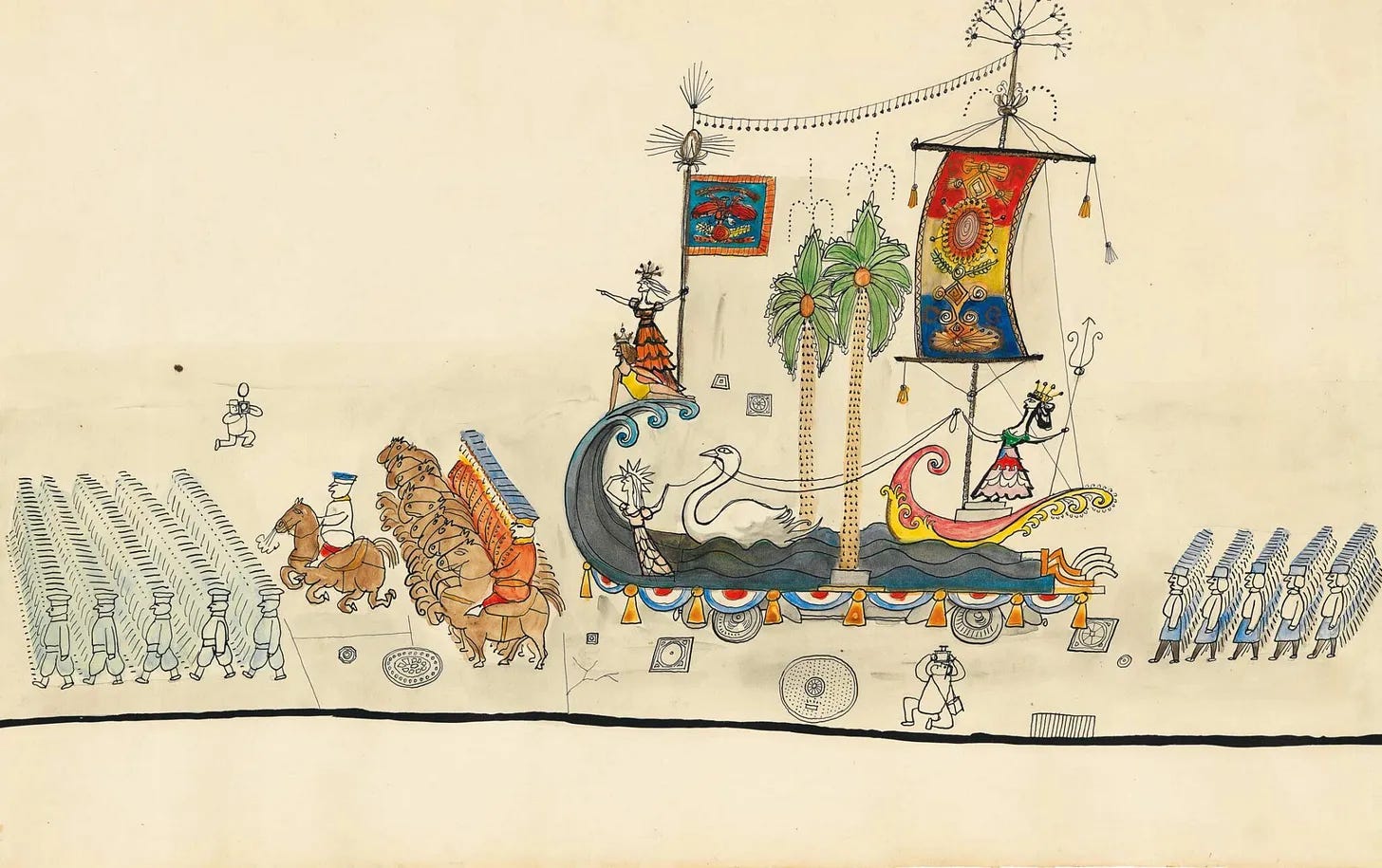
45. Florine Stettheimer (871–1944, NYC)
Stettheimer was the quintessential insider-outsider who painted a decadent, colorful version of New York high society, turning her elite circle into a theatrical dreamscape.
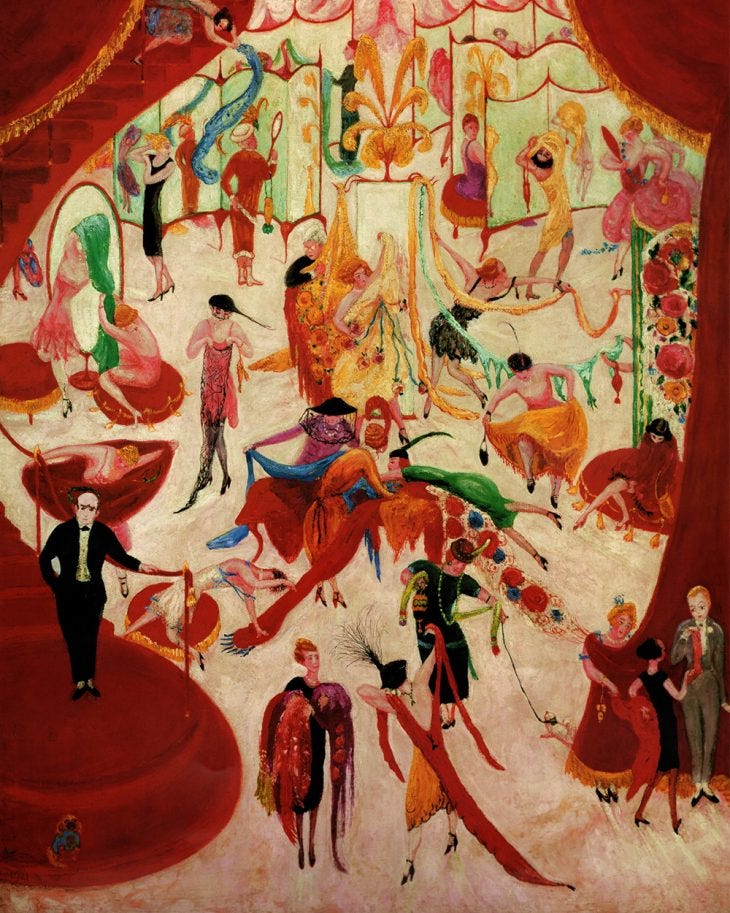
46. Sanae Sugimoto (Working, Japan)
Sugimoto creates a world that feels both spare and incredibly lush, with a folk-art influence that shows us how strange and sweet life really is.
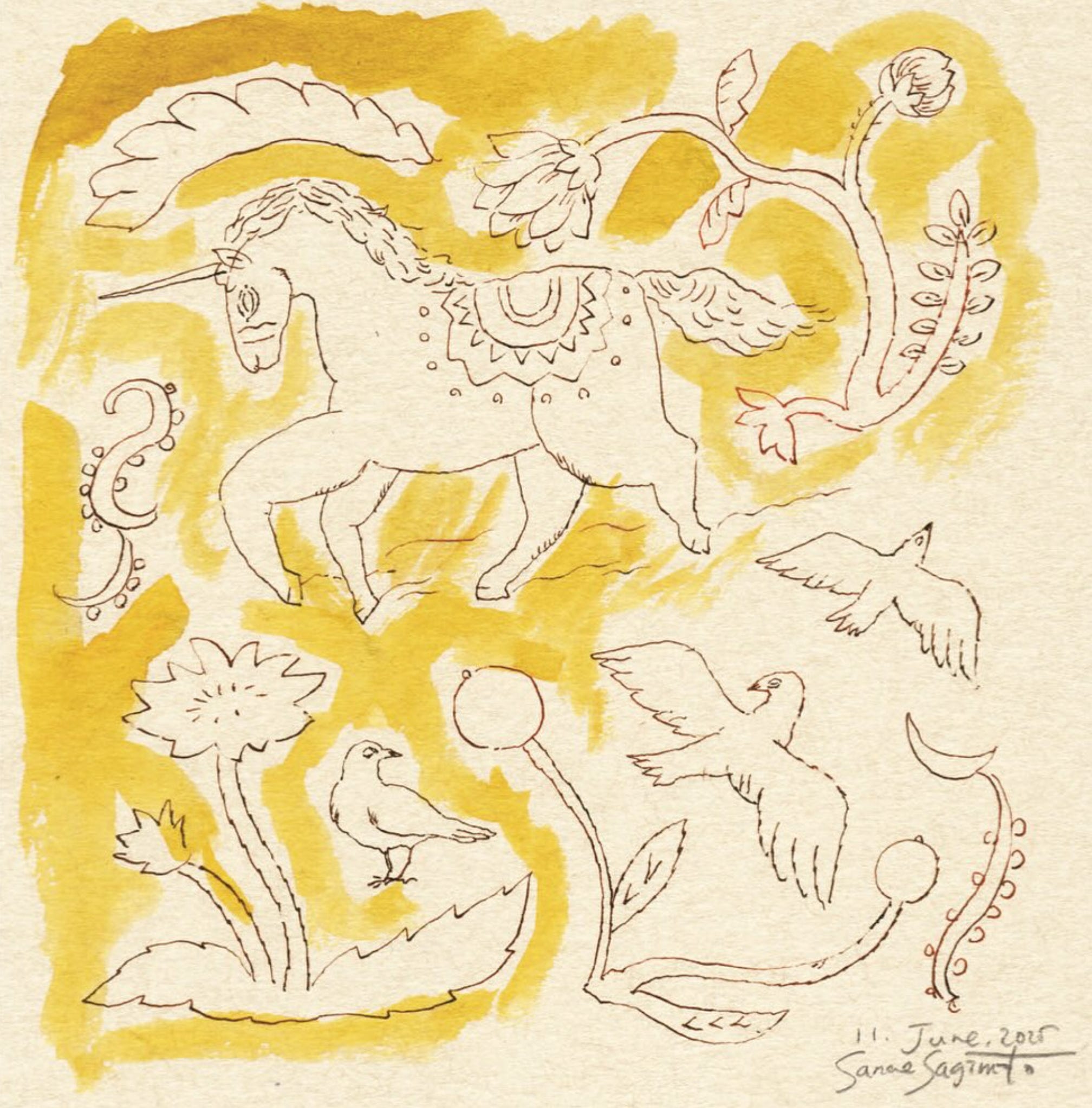
47. Clara Tice (1888–1973 NYC)
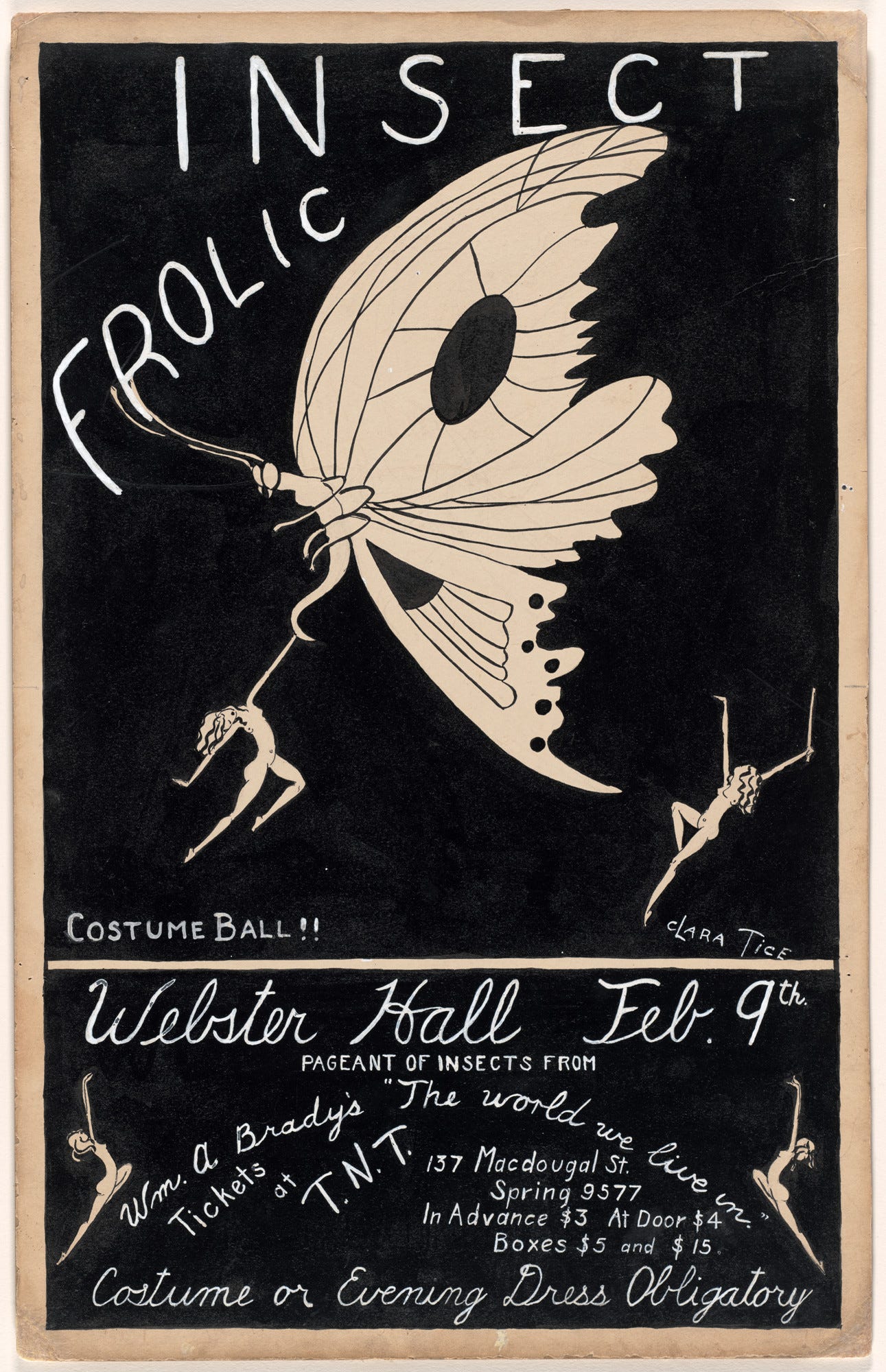
Known for her provocative and breezy sketches of flappers and animals, Tice used a quick, zig-zagging line to capture the decadence of jazz-age New York.
48. Remedios Varo (1908–1963, Spain, France, Mexico City)
Varo was selected by Jada De Luca and Rose Florence
Rose writes:
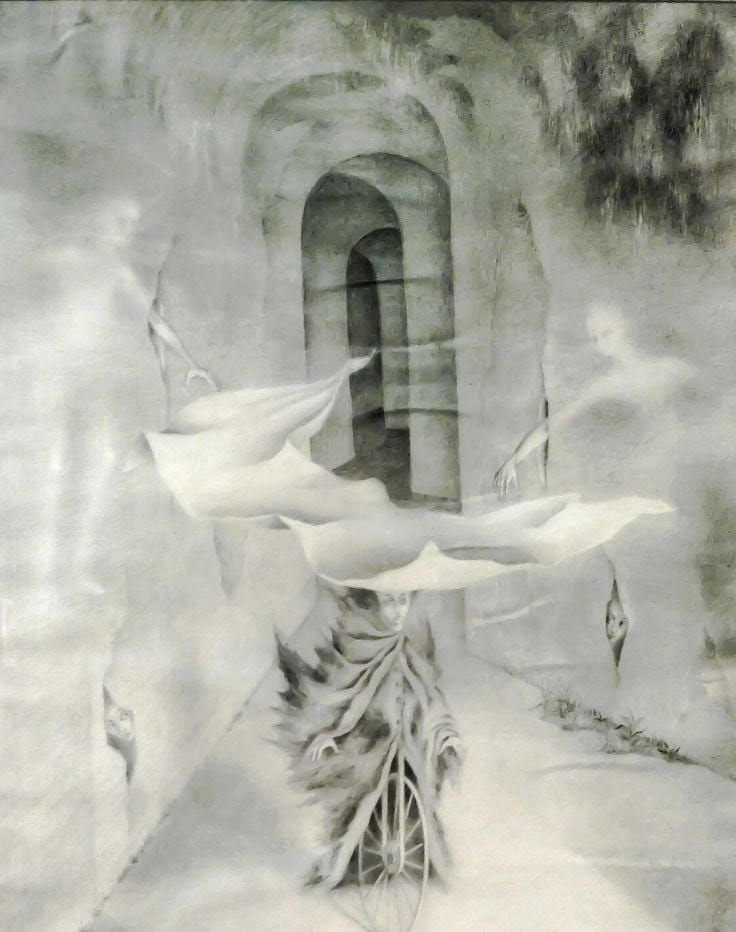
The Spanish-born painter relocated to Mexico City after World War II and built a surrealist world of her own. At the center of her paintings are women & their own mythology - they’re alchemist, ghosts, inventors moving through dreamlike interiors. There’s so much detail you can almost get lost.
My favorite work of hers was this pencil drawing - women emerging from whisper-thin spider like webs in the walls. It takes you out of your own reality for just a second - and that’s nothing short of extraordinary.
Jada adds:
With Varo “this symbology is apparent through paradox: logical and illogical, organic and mechanical, philosophical and mathematical, quantitative and qualitative. Her life’s work is beyond whimsical, they make paradox look like cosmology.”
Read more from Jada De Luca in her story about Femme-Surrealism & The Mystery of Creation
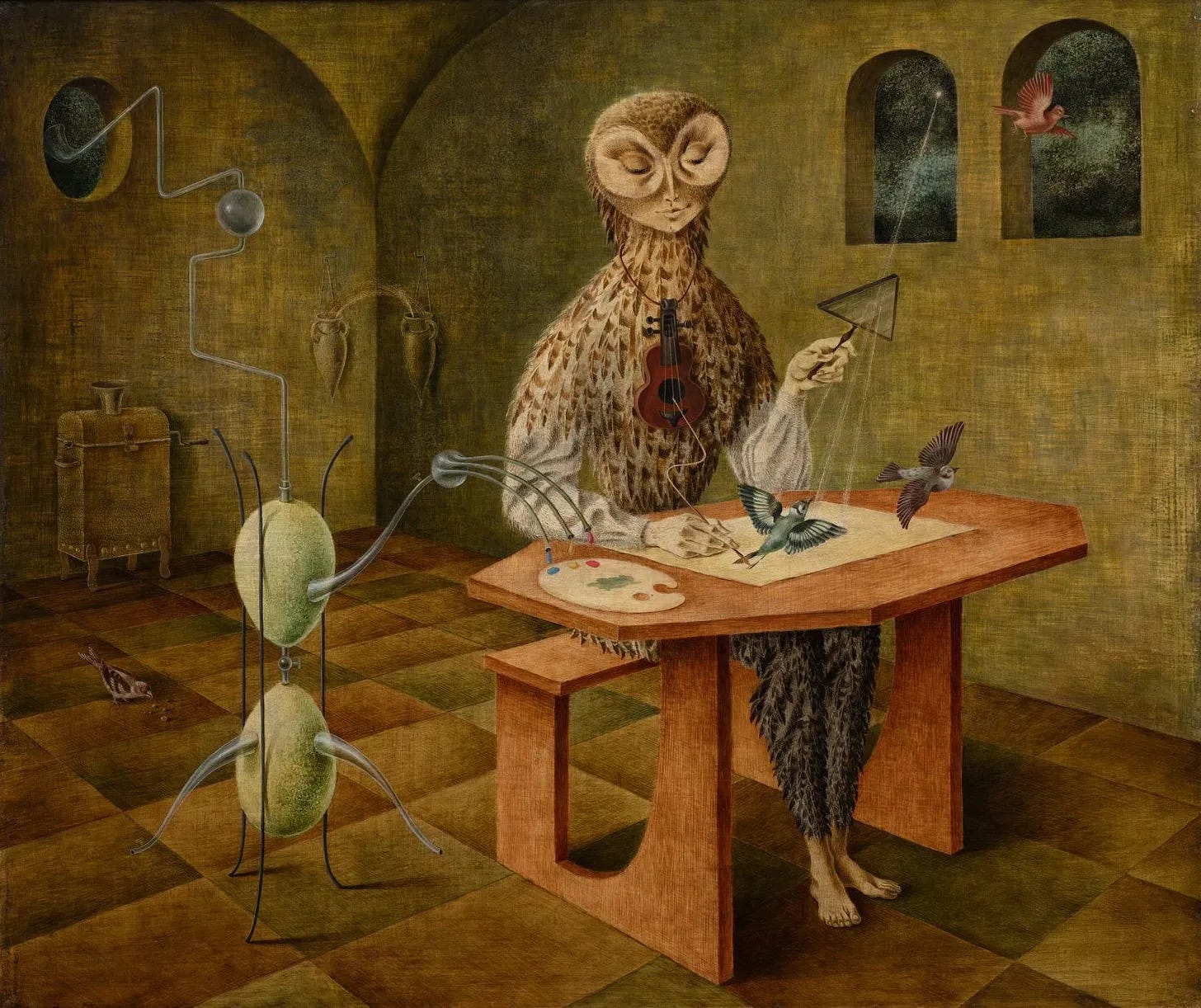
surrealist covens also has a great piece on Varo here.
49. Georg Wilson (Working, London, UK)
Wilson paints lush, folkloric scenes that follow the rhythm of the seasons, using earthy tones and blobby figures to reveal the strange, pagan-like magic hidden within the English landscape. More here.
50. Kristin Yezza (Working, Ohio)
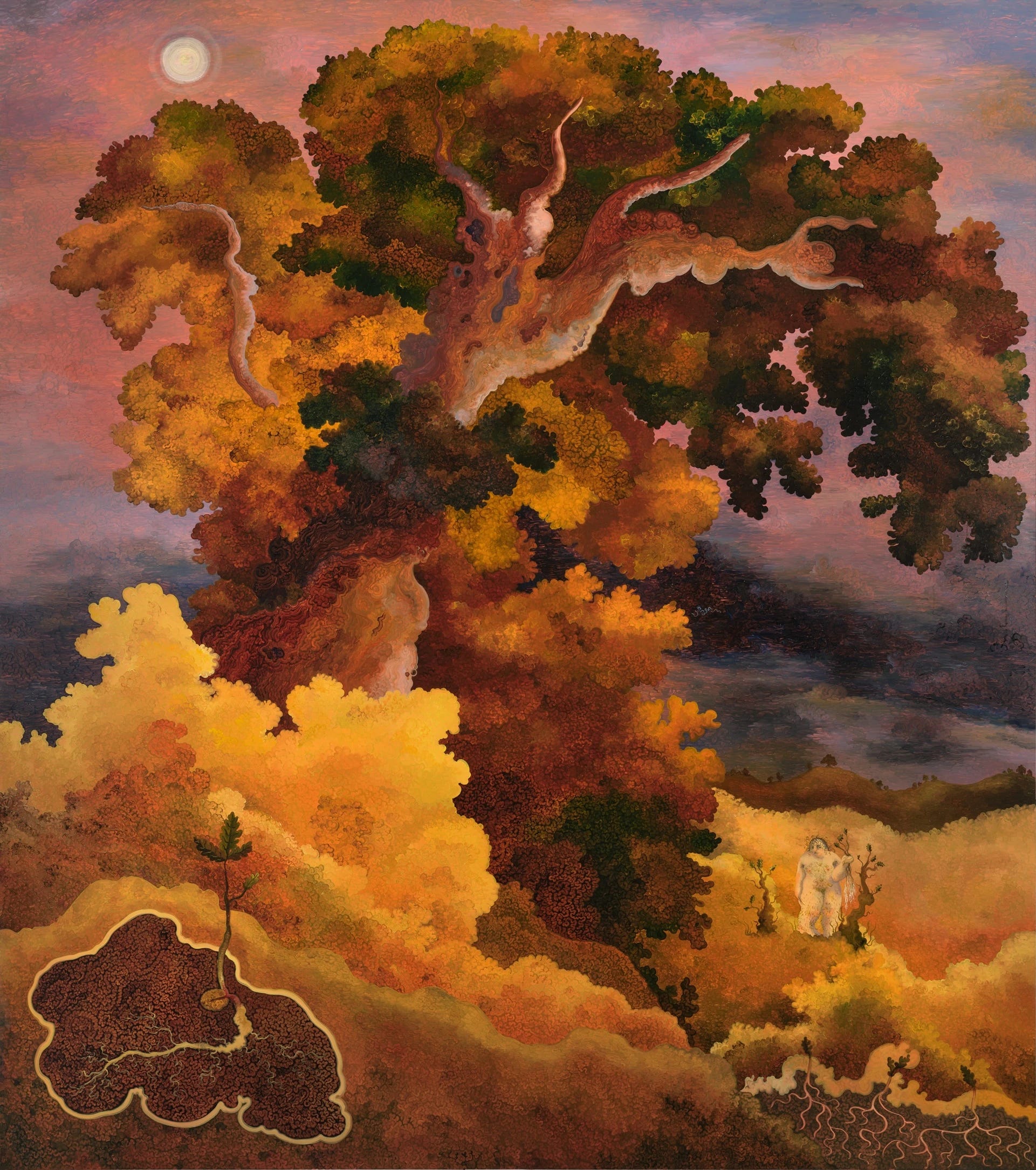
Yezza compares her creative mindset to that of an explorer. “In this world where most everything has been explored and google has all the answers, maybe the best thing you can do is explore your own self. That’s where all the newness is.” More here.
That’s all! Did you make it to the end? Who are you’re favorite whimsical artists that aren’t on this list?
Don’t forget to hit that heart! It helps more than you know. If you liked this, please subscribe, share it with a friend, and leave a comment! For more creativity, you can follow me on IG and explore years of art and design articles on the LES Journal
Keep Reading…
What I Learned From Elsa Schiaparelli About Art and Marketing

Looking at a watercolor feels like gazing into a dream—soft, fluid, and endlessly captivating. The way the colors mute, blend, and bleed creates a kind of magic. When juxtaposed against the crisp precision of a line drawing, a narrative unfolds, taking shape and meaning, though ambiguous enough to leave space for imagination. There's a sense of childlik…
The Analog Bag

A friend has been nudging me to write about the “Analog Bag” a.k.a. the Anti-Doomscrolling Bag for months now. The concept involves a portable tote filled with tools to help you avoid scrolling on your phone and, instead, connect with your creativity. I’m fairly certain this is a TikTok-born trend (oh, the irony), though I can’t say for sure—I’m not on …
Eleven Personal and Actually Helpful Tools For Creativity in a World That Demands Constant Content

Today I'm opening up my creative toolbox. Sharing the practices and resources I turn to when I'm feeling stuck or uninspired. Before I get into that, I want to talk about a morning earlier this week that brought all of it into focus. A reminder of what it really feels like to run a creative-led brand in a world that expects constant output.
I can’t imagine how long this took to put together!! I’m utterly enthralled and will be coming back to this OFTEN
great selection!