


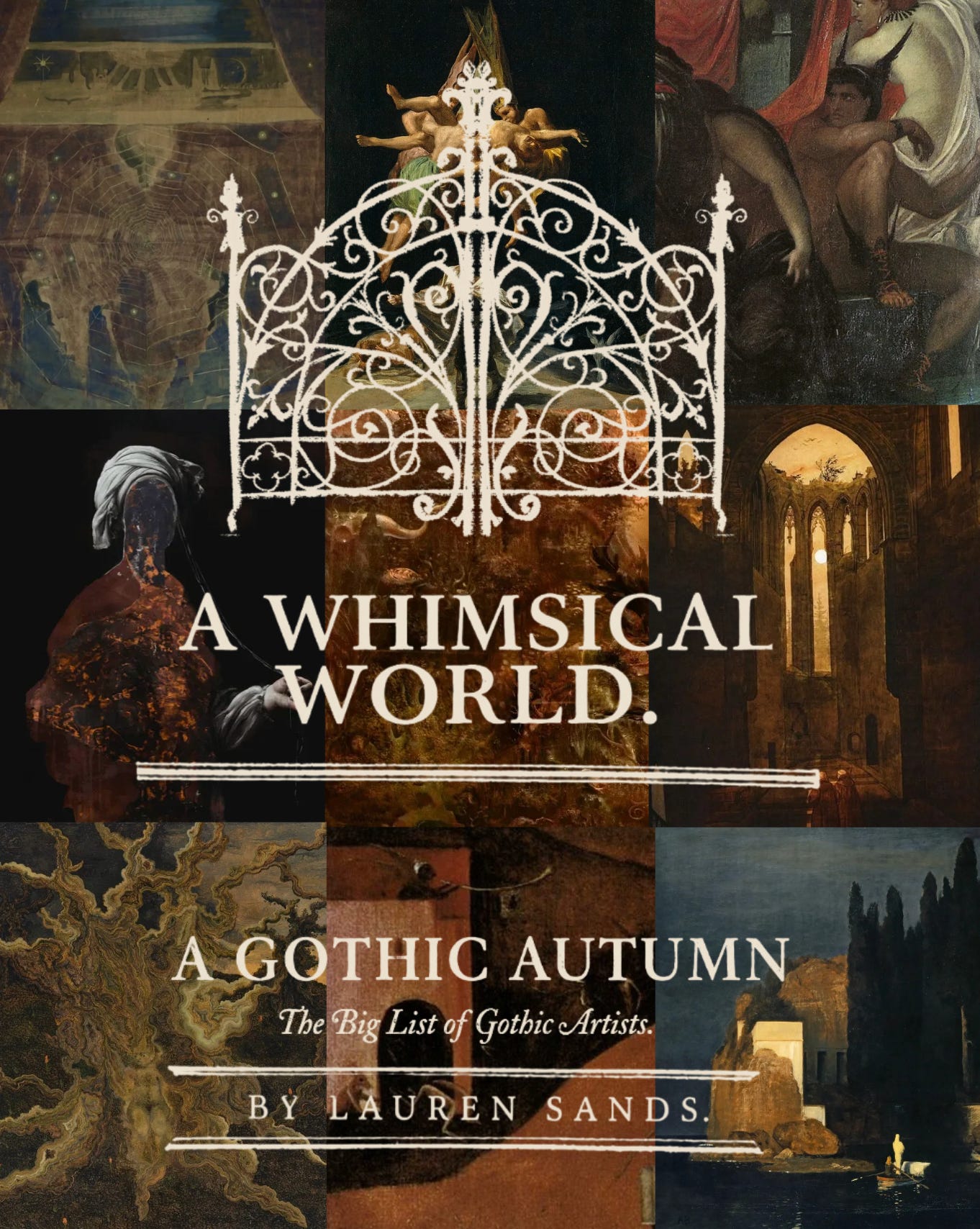
I’m starting my Gothic Autumn early this year! Aesthetically and intellectually, autumn is my favorite season. It’s a time for black magic, for dark fantasy, for make-believe. In Autumn, I descend into the shadowy depths of everything Gothic. Ghost stories and fairy tales (how they were originally intended, without the happy endings), dim libraries, and endless corridors. I love a chilly, crimson-tinged forest as it descends into darkness, or an ornate graveyard permeated with fog (Greenwood Cemetery in Park Slope is spectacular). I am so excited to kick off the season with 50 delectably macabre Gothic artists.
In some ways, this is a Part II to my Big List of Whimsical Artists (by far my most loved story on Substack). Whimsy and the Gothic are intimately related. The Gothic is the darker side of whimsy: a macabre, discursive act of the imagination. Like whimsy, it’s a labyrinth. It winds and wanders, sending dark sinewy branches in every direction. It’s an incredibly broad category, even from an academic point of view (and my pov is certainly not academic or overly literal).
A note: some of this is a refresher from my various gothic posts last October, but hopefully more cohesive and concise. Feel free to skip down if you want to get right into the art!
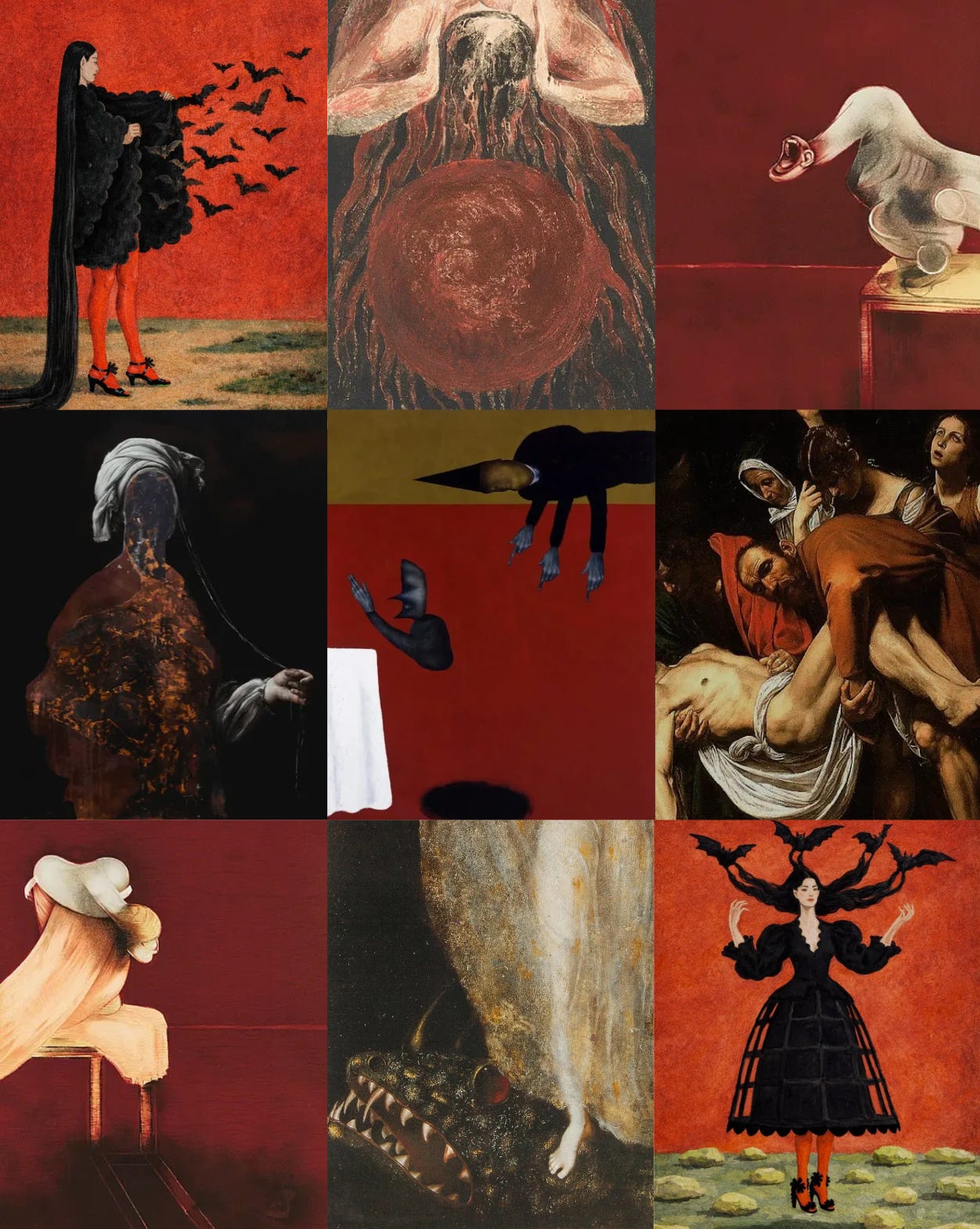
The Gothic isn’t confined to a single artistic period, literary genre, or design style. It’s an atmosphere, an impulse, a way of seeing. Like whimsy, it might look a bit different for everyone. The Gothic has come to describe anything with a trace of darkness. It can be sprawling, excessive, naturalistic, or grotesque. It’s death and desire, ruin and romance, truth shrouded in mystery. It is sinister and sensual. The Gothic celebrates religious ecstasy while being sacrilegious and amoral. It delights in imperfection, chaotic and disordered, like a dream that dissolves the moment you try to hold onto it. The Gothic dwells in the shadowy liminal spaces.
There is no “Gothic School of Art” (there was a Gothic period, but we will get to that). Instead, there are artists scattered across centuries, working in vastly different eras, styles, and mediums, whose work feels Gothic. For me, that means art that feels like a dark dream, or the pleasure found in a tinge of fear. Art that envelopes and enchants, sometimes sparse and psychologically dark, other times sumptuous, indulgent, and hedonistic.
In the 12th century, Gothic art and architecture emerged in France (although it was not called Gothic at the time), rising from the heavy forms of Romanesque design into something more celestial and awe-inspiring. The word “Gothic” was first used retrospectively during the Renaissance. Scholars coined the term to describe what they saw as the barbaric and primitive culture of medieval Europe. It marked everything that stood in opposition to the clean and ordered harmony of the classical period.
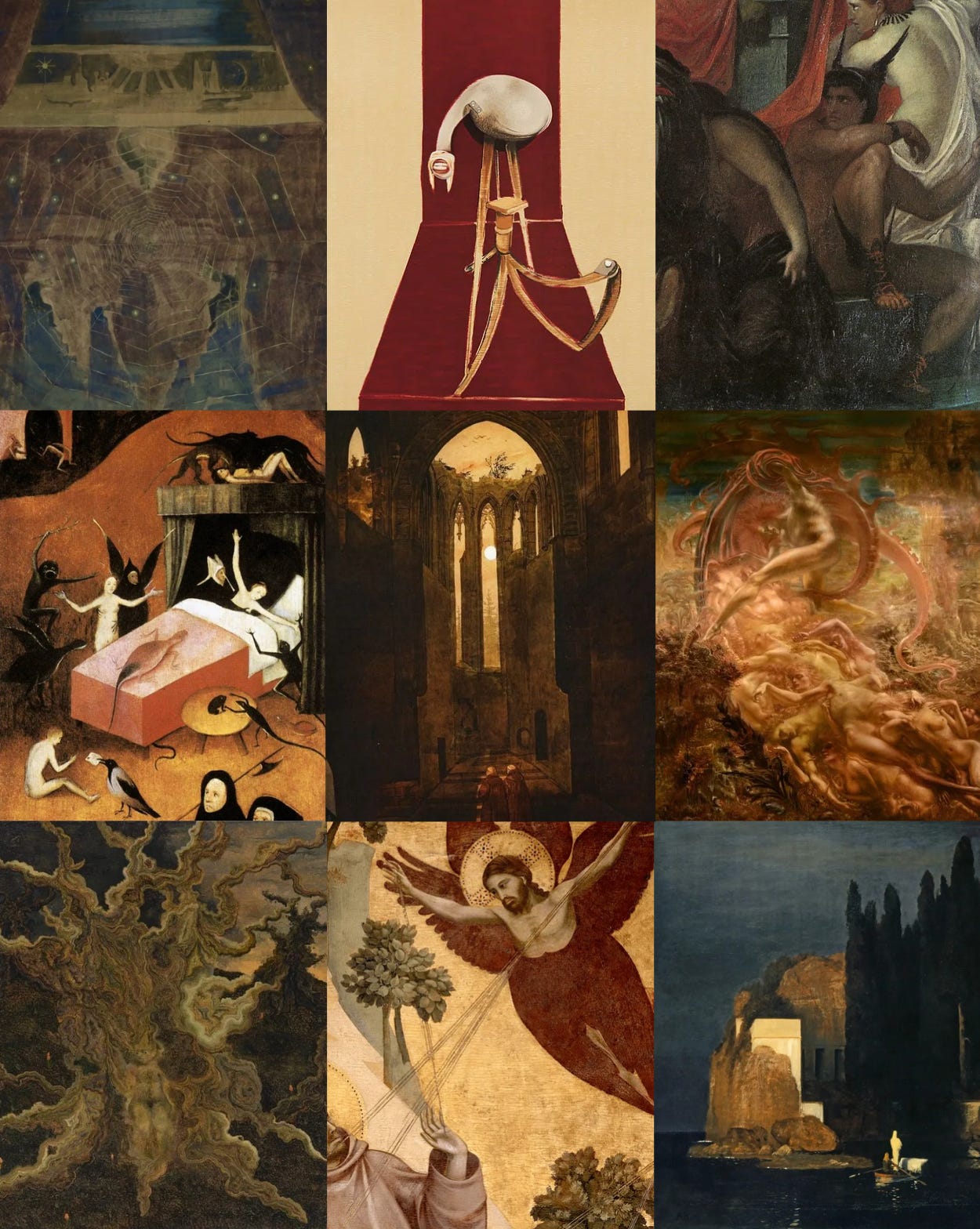
Centuries later, it still fascinates artists, writers, and thinkers alike. It has permeated our literature, art, film, theatre, and popular culture. The allure is strongest in Autumn (at least for me), but it lingers all year long. The Gothic endures because, like an antique mirror, it reflects the parts of us that crave beauty intertwined with fear. It speaks to the human impulse to edge towards danger, to seek out what unsettles us, to live suspended in tension. Beneath its ornate surface and ghostly corridors lies a fascination with the limits of our own comfort.
Intellectually, the Gothic provides a treasure trove of ideas to ponder—hysteria, repression, power, confinement, the uncanny, and the sublime. Gothic lets us find new meaning in the shadows while keeping us endlessly entertained. It’s enchanting, enthralling, captivating. It feeds our morbid curiosity and fascination. It’s utterly delightful.
Last year I presented a handful of artists in their historical context, showing how the Gothic evolved over the centuries. This year, I compiled a list of 50 artists who create Gothic work starting in the “Gothic Era” and continuing to the present. I am presenting them in alphabetical order (rather than chronologically or thematically) because that chaotic mix feels most true to the Gothic.
There are few artists from my Big List of Whimsical Artists that I included here (I couldn’t resist, but even more on that list who have a tinge of the Gothic.

Next week I will share my Gothic Autumn Reading List with over 50 books that I plan to read this autumn, wish I could read this autumn, have read in the past and loved, or am saving for future Gothic autumns. Subscribe to have it delivered directly to your inbox!
Paid subscribers will receive full access to A Whimsical World, including monthly reading journals, my visual library, my creative toolbox + founder insights, deep-dive sourcing and styling guides, and more personal essays.


1. Dora Abodi (living, Transylvania)
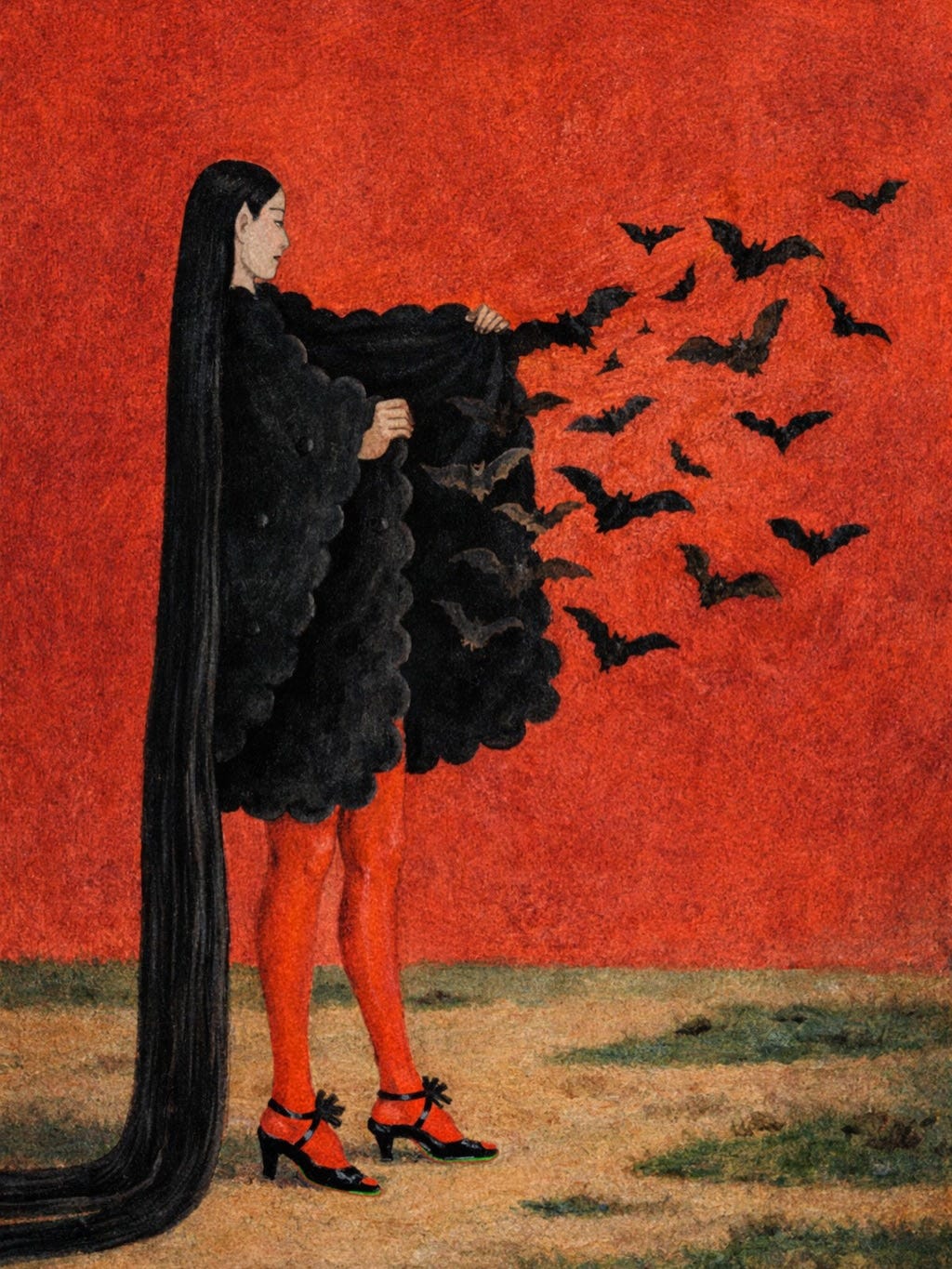
Abodi is the creative director and founder of the fashion brand Abodi Transylvania. Her illustrations for their campaigns– drawing on Transylvanian folklore– are so playfully gothic; it's genius!
2. Francis Bacon (1909–1992, Dublin, Ireland / London, England)
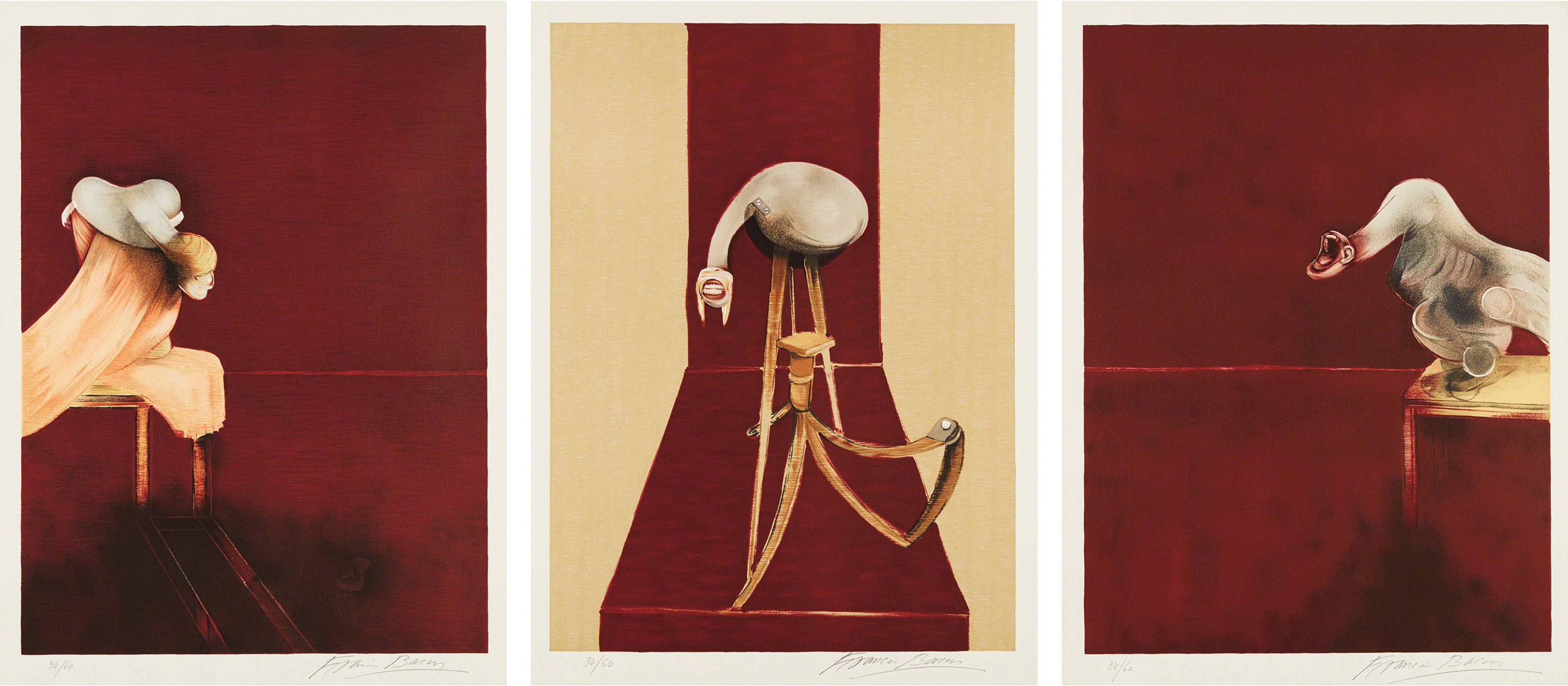
Bacon was a figurative painter whose distorted bodies are grotesquely gothic.
3. Aubrey Beardsley (1872–1898, Brighton / London, England)
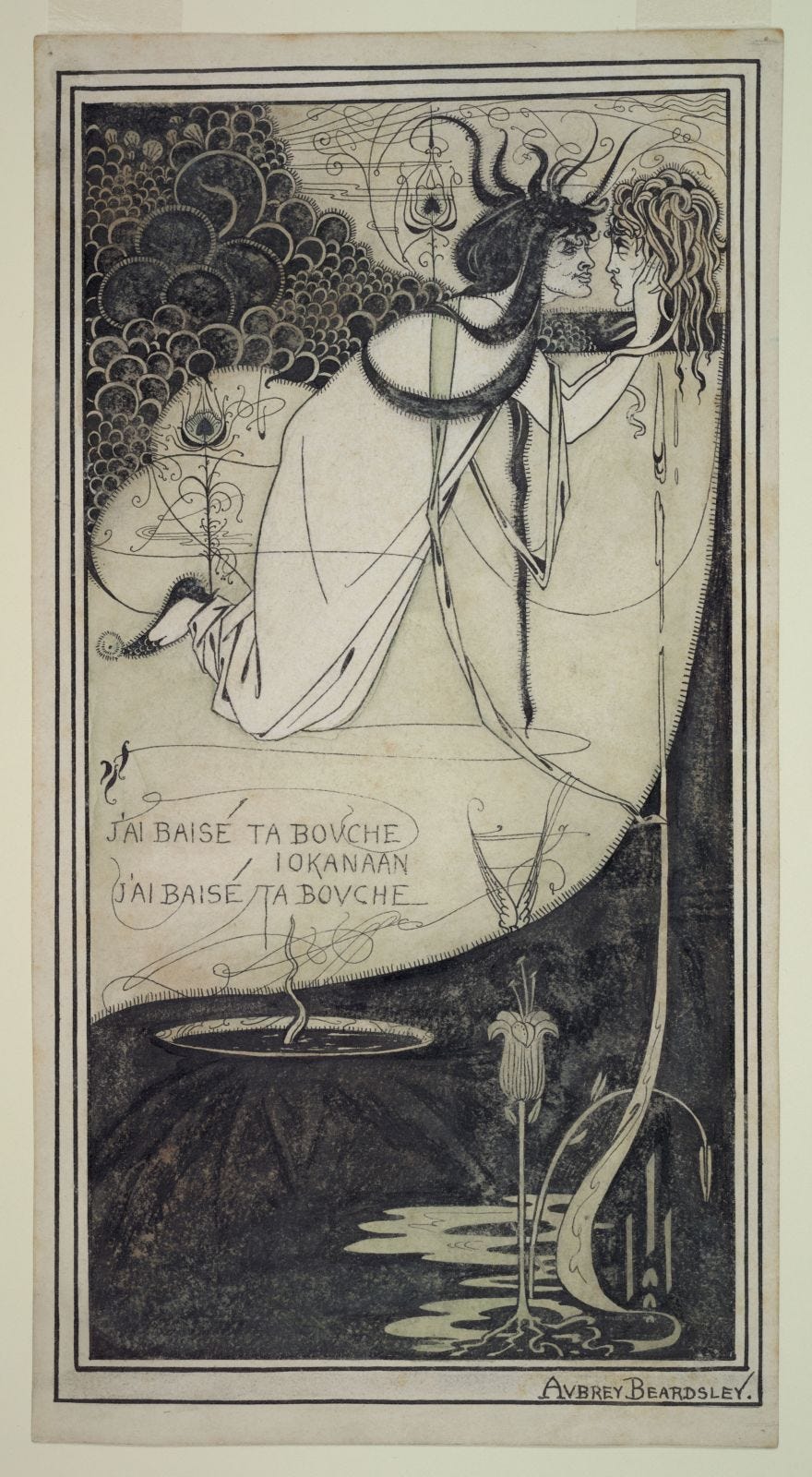
Beardsley’s dark Art Nouveau illustrations are gorgeously decadent and subtly sinister.
4 . William Blake (1757–1827, London, England)
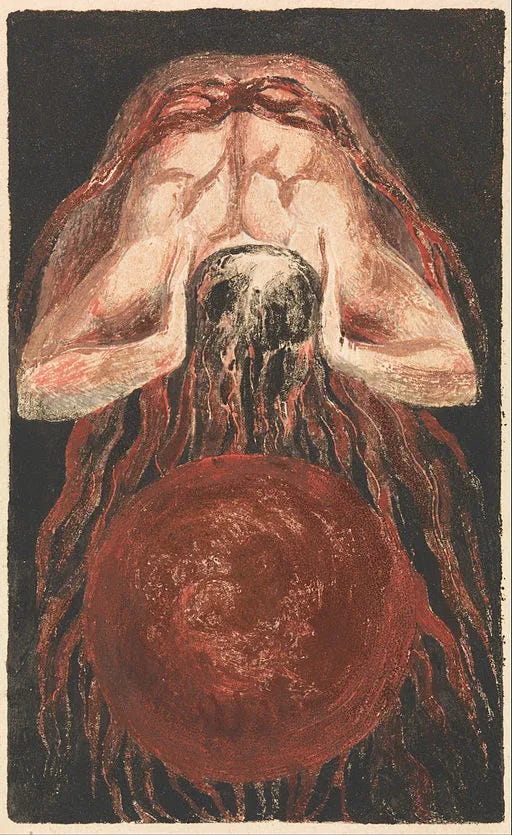
The painter, poet, and printmaker created a dark fantasy world filled with mystical figures, demons, and biblical visions. He was fascinated by medieval art and Gothic architecture at a time when they were being rediscovered in Britain. I have been working on a piece on Blake for over a year (mostly procrastinating). I am mesmerized by him.
5. Arnold Böcklin (1827–1901, Basel, Switzerland / Italy)
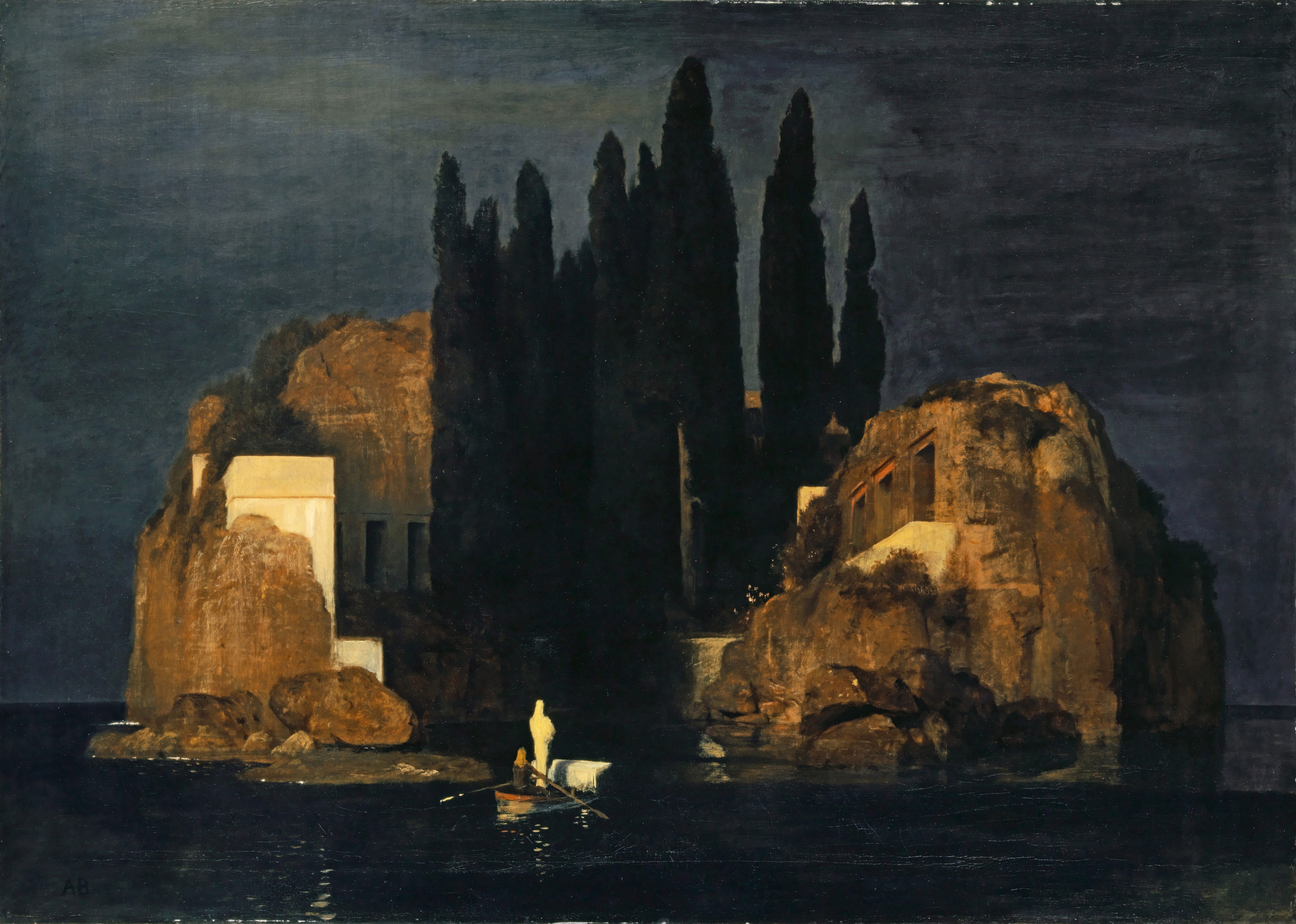
The Symbolist painter created mythical landscapes filled with death, ruins, and the supernatural.
6. Michaël Borremans (b. 1963, Geraardsbergen / Ghent, Belgium)
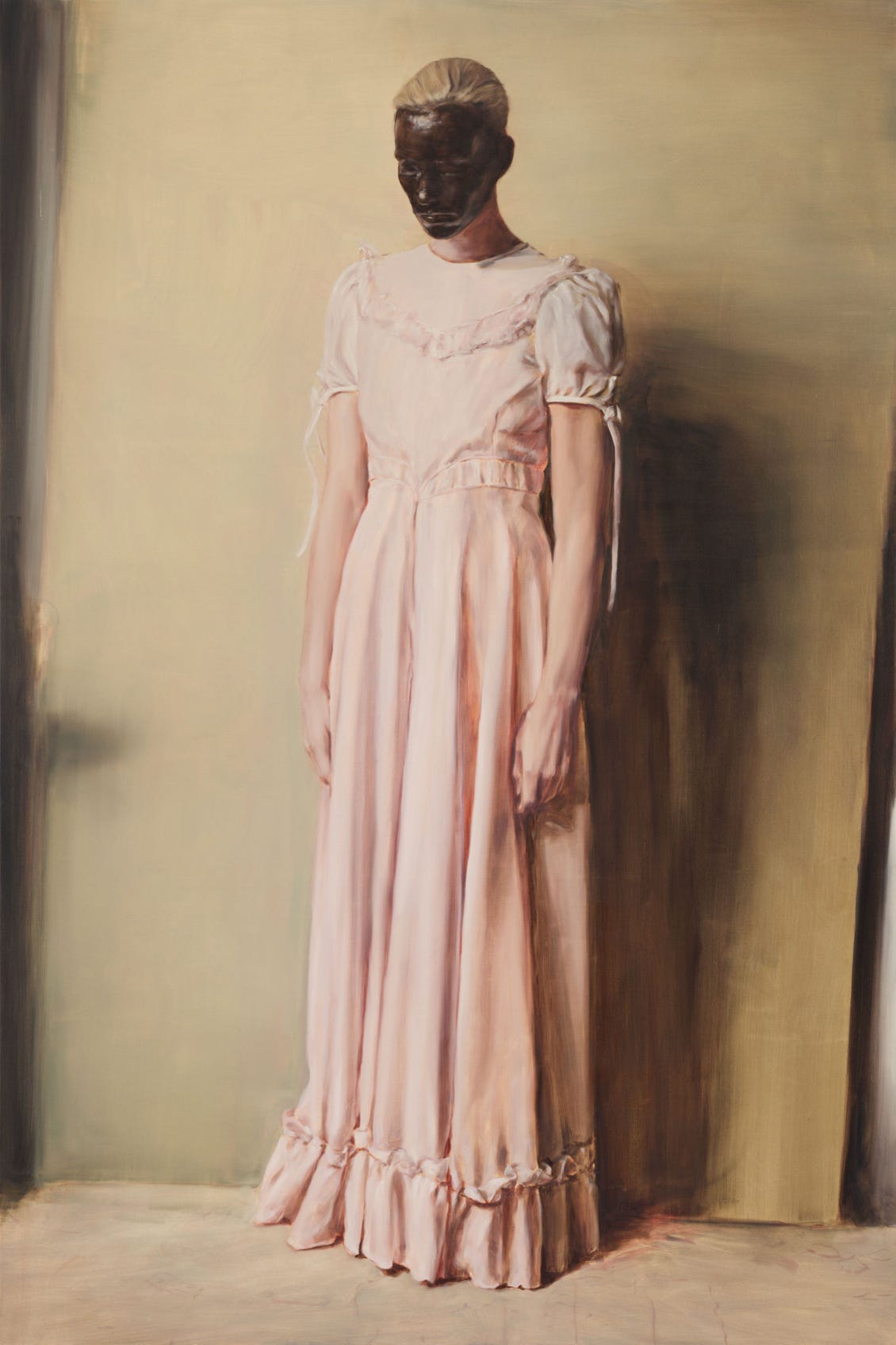
Borremans, a contemporary painter, uses old masters' techniques to create dark portraits that resemble 18th- or 19th-century works but are infused with a modern strangeness. His work isn't overtly gothic, but it has always given me that sense. I especially love the sticky black next to the soft pink and muddy yellow in The Angel.
7. Hieronymus Bosch (c. 1450–1516, ’s-Hertogenbosch, Netherlands)
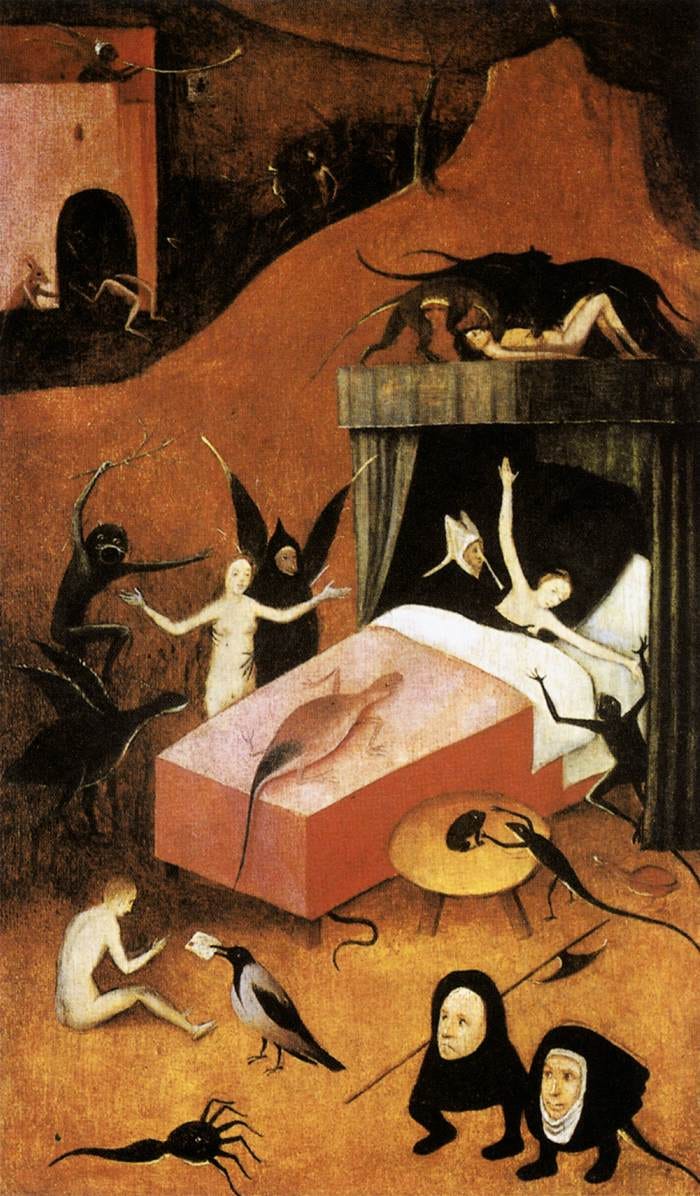
Bosch’s fantastical world is often a nightmare filled with demons, monsters, hybrid creatures, and all forms of punishment. He transformed medieval religious anxieties into some of the strangest imagery in Western art. I love it.
8. Pieter Bruegel the Elder (c. 1525–1569, Netherlands / Brussels, Belgium)
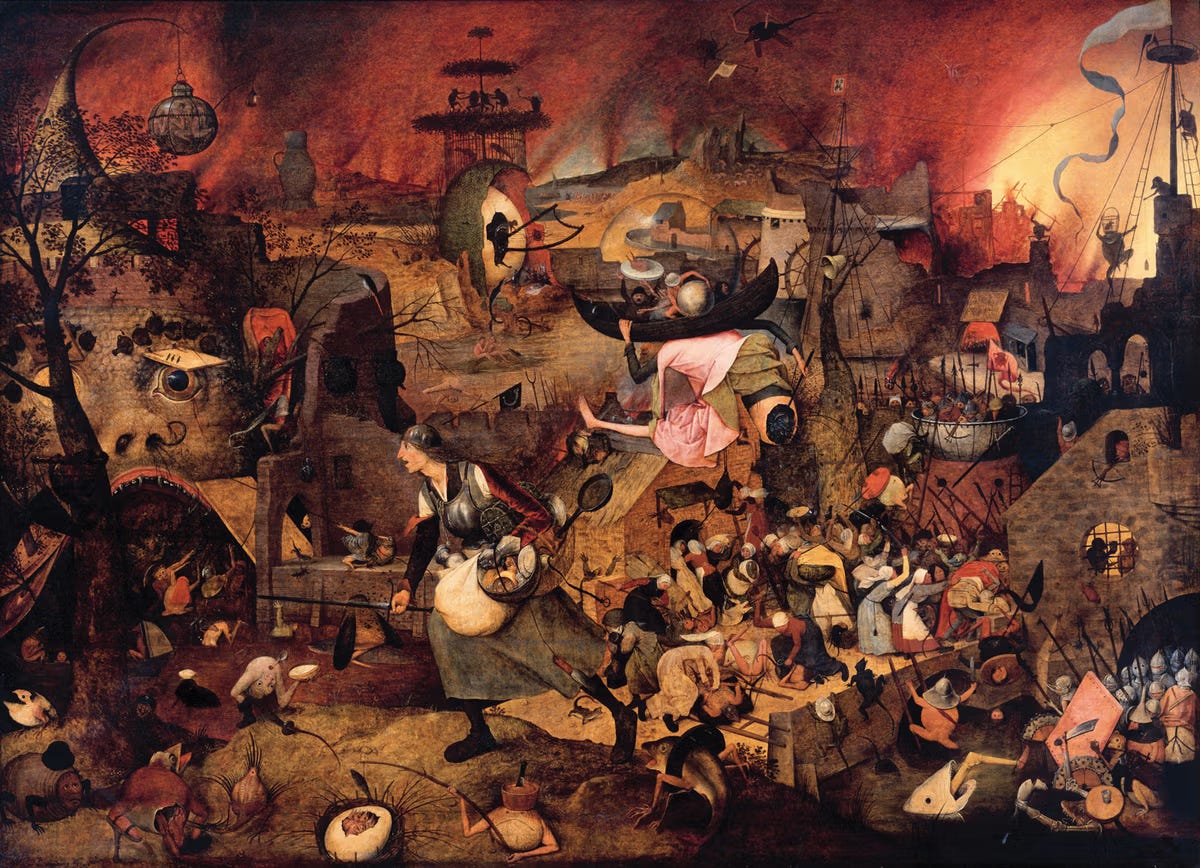
The Renaissance painter’s images of death, apocalypse, and human folly are vuluptuously gothic. Some of his works have a similar feel to Bosch.
9. Leonora Carrington (1917–2011, Lancashire, England / Paris, France / Mexico City, Mexico)
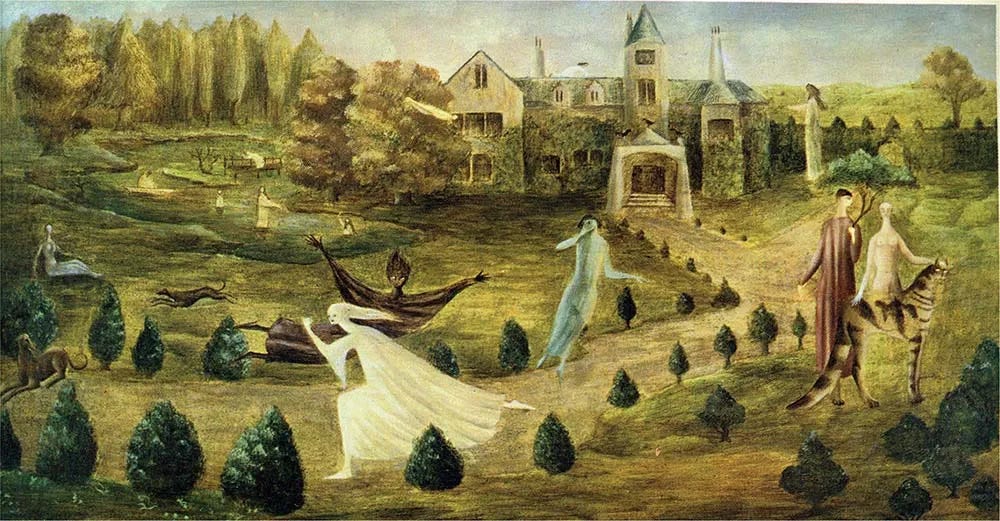
The surrealist painter's magical worlds are filled with witches, animals, hybrid beings, and mysterious rituals. Carrington grew up surrounded by English Gothic architecture and folklore and later found alchemy, witchcraft, Celtic mythology, and the occult, all of which made their way into her paintings.
10. Caravaggio (Michelangelo Merisi da Caravaggio) (1571–1610, Milan / Rome, Italy)
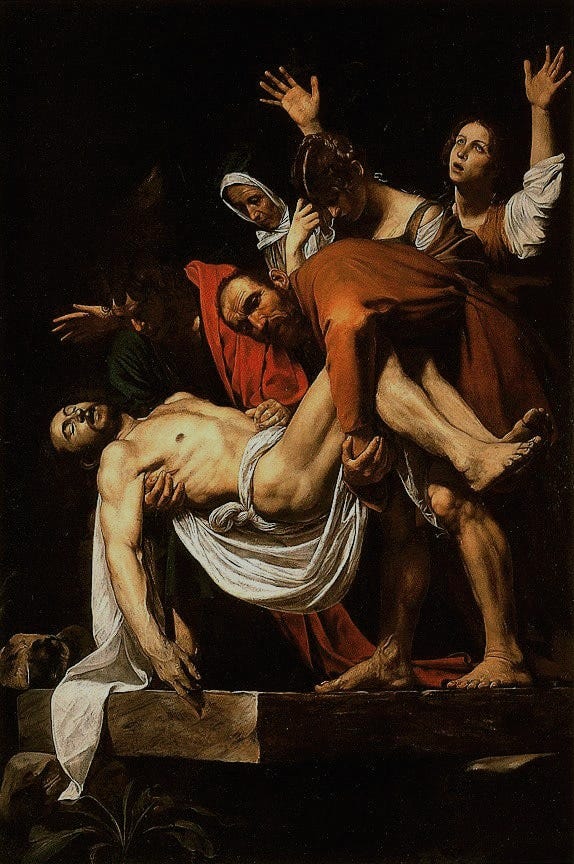
I love Caravaggio’s colors. Especially in fall. He was a Baroque painter whose work is incredibly dramatic. The Gothic connection is more in the mood that his works evoke than in the subject matter.
11. Malo Chapuy (b. 1995, Laon / Paris, France)
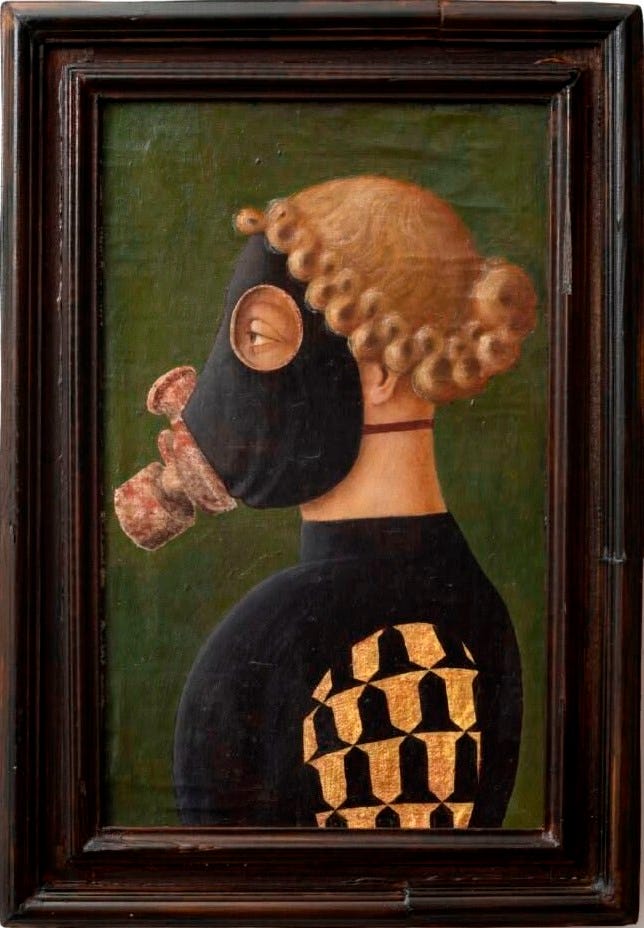
Chapuy is one of the artists in my personal collection I’m most excited about (that isn’t repped by LES). He uses medieval techniques and subject matter, starting with late Gothic and early Renaissance compositions, then introduces modern and apocalyptic elements like water towers and gas masks.
12. M. K. Čiurlionis (Mikalojus Konstantinas Čiurlionis) (1875–1911, Varėna / Vilnius, Lithuania)
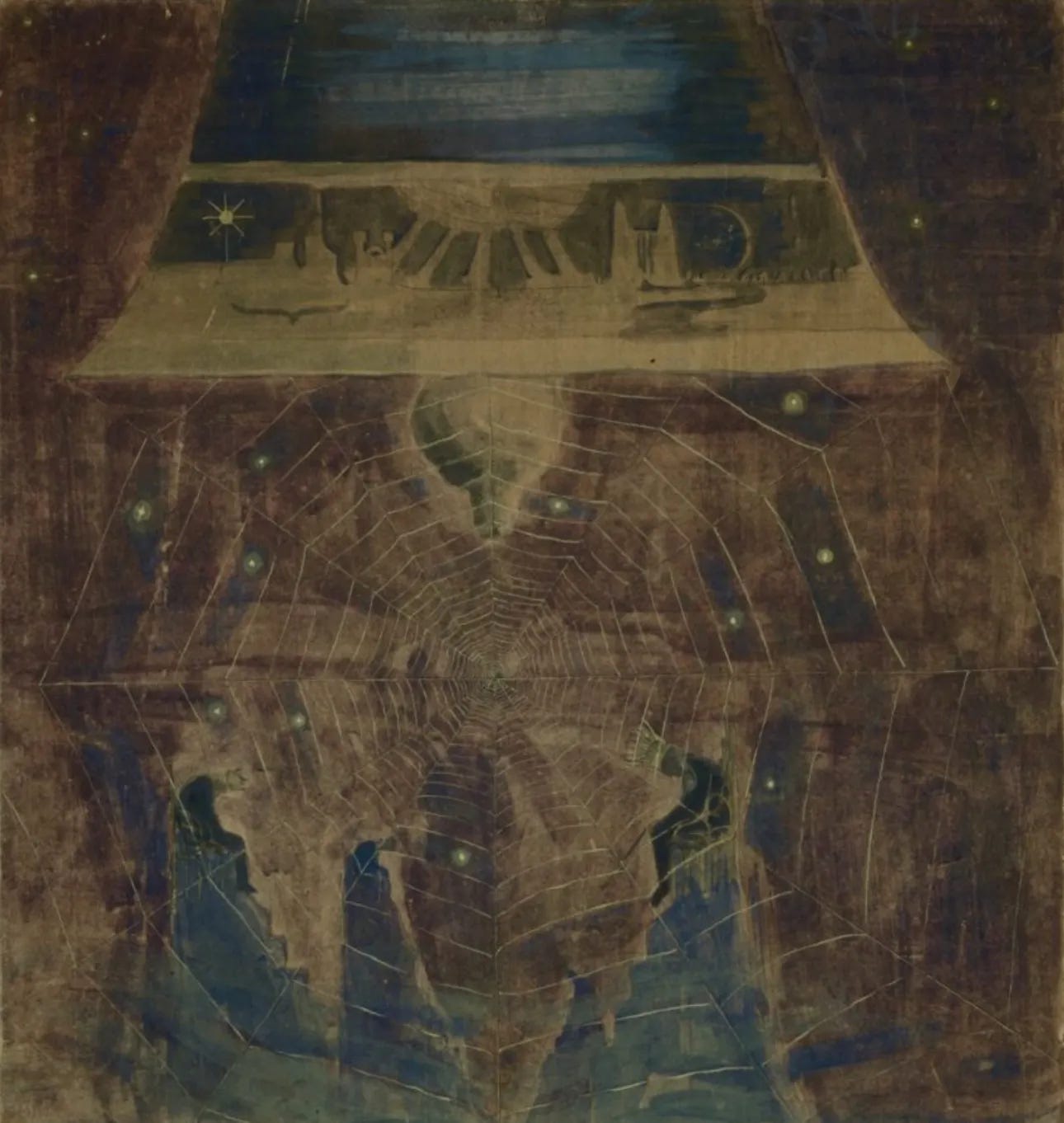
This fall, I'm particularly interested in the Symbolist painter and composer. His dreamlike landscapes feel gothic in their dark and muted atmosphere. I found a few second-hand books on him recently and have been waiting for the right moment (when it gets a little chillier) to burrow in.
13. Harry Clarke (1889–1931, Dublin, Ireland)
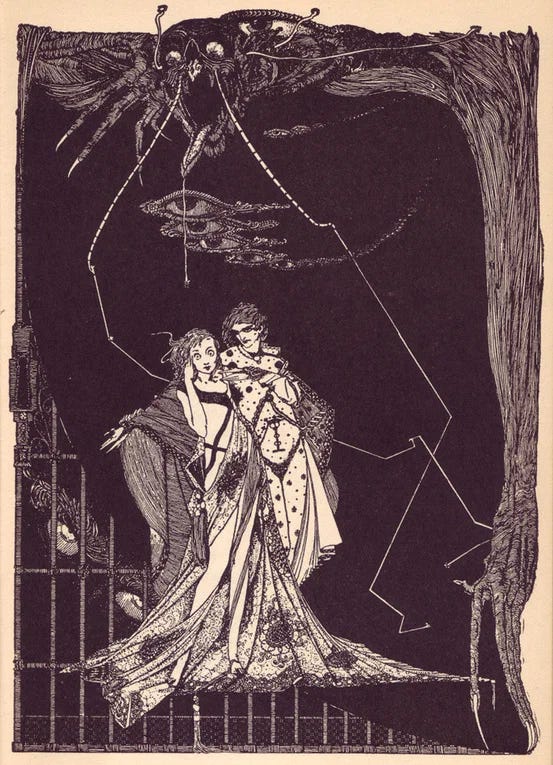
Clarke was a stained-glass artist and illustrator who created works for Edgar Allan Poe and Goethe, among others.
14. Eugène Delacroix (1798–1863, Charenton-Saint-Maurice / Paris, France)
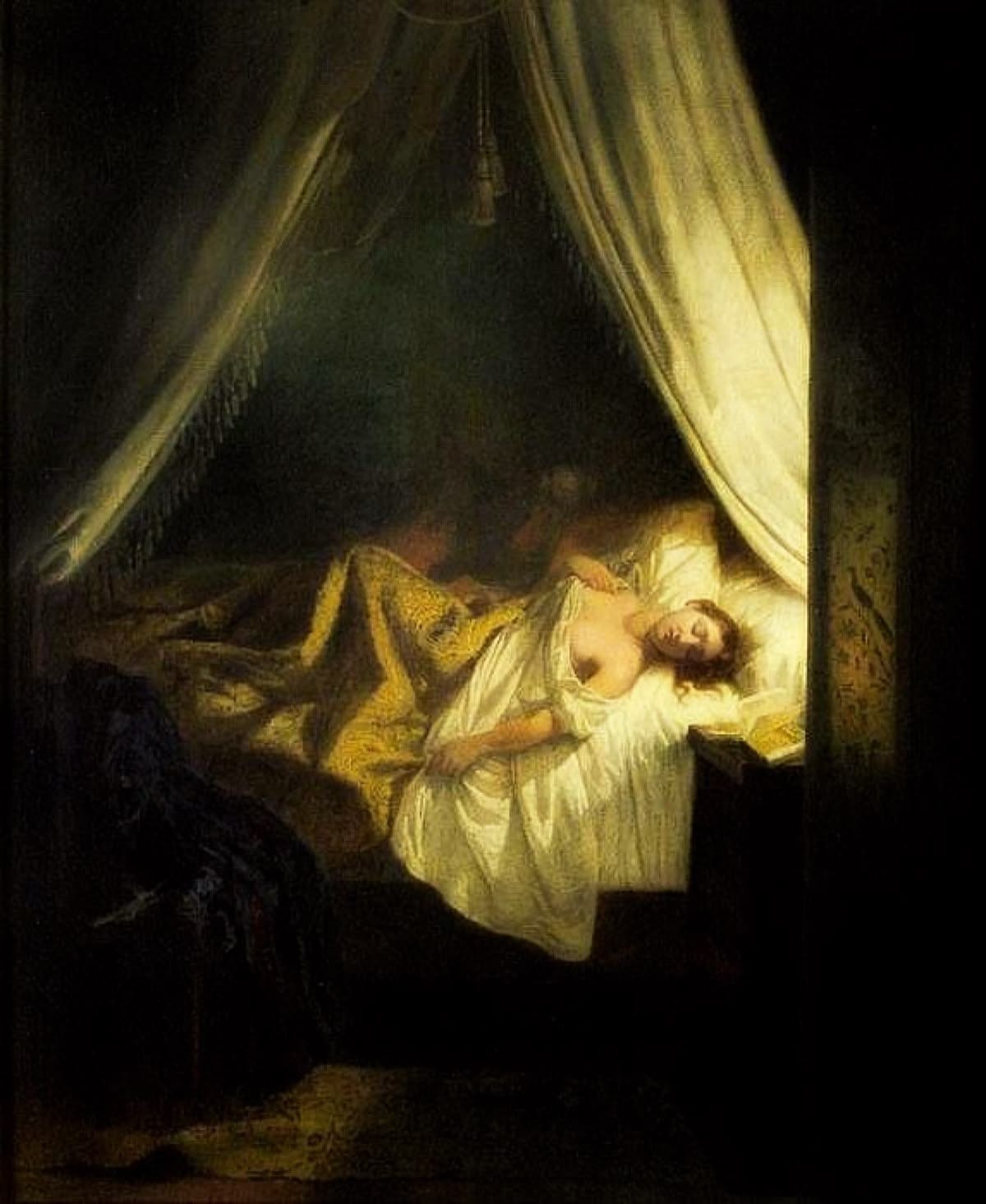
The Romantic painter was drawn to tragedy, violence, and heightened emotion–the same fascinations that fuel Gothic literature.
15. Jean Delville (1867–1953, Leuven / Brussels, Belgium)
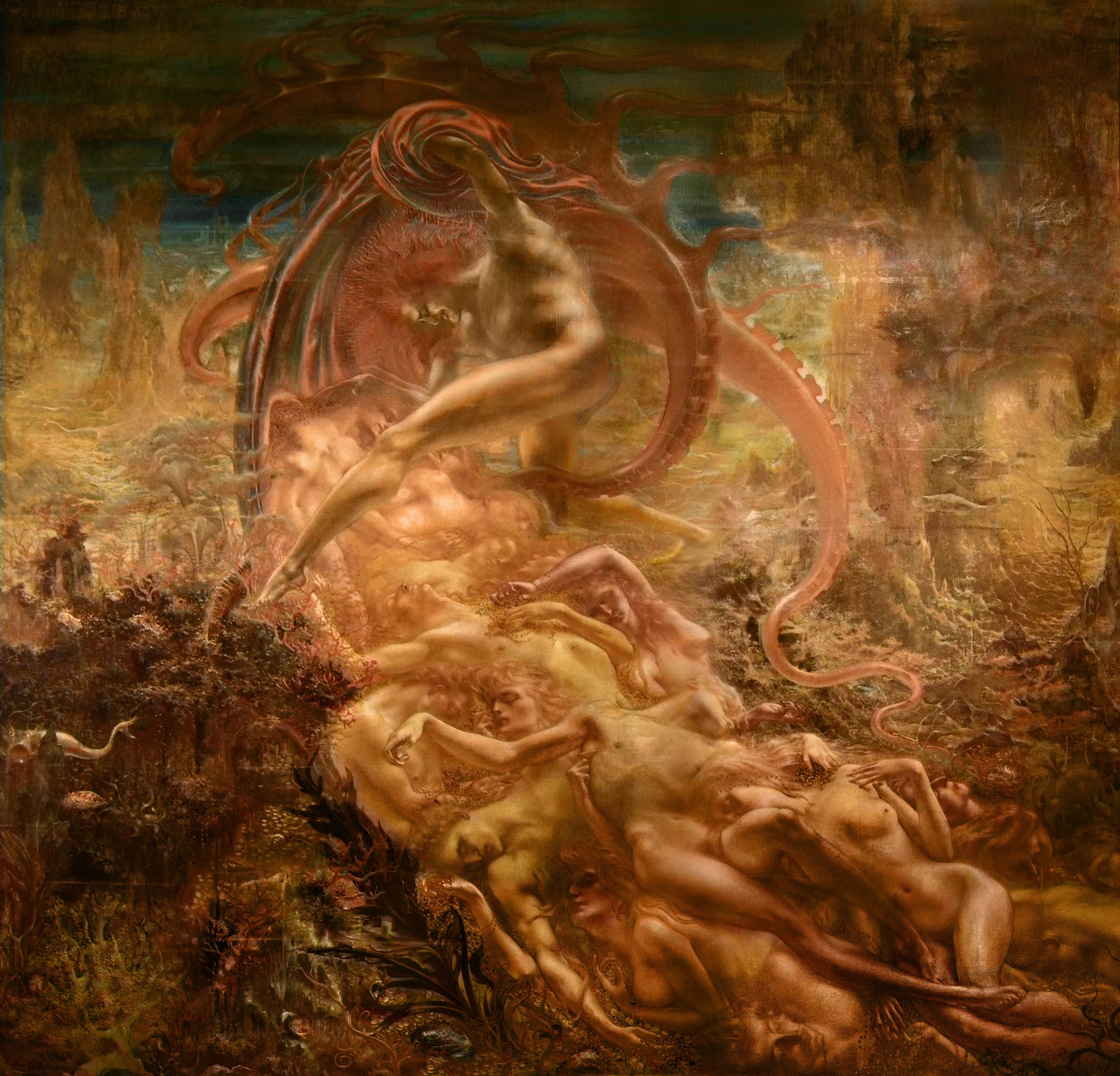
Delville was a Symbolist painter and writer whose work is mystical and esoteric.
16. Giotto di Bondone (c. 1267–1337, Florence, Italy)
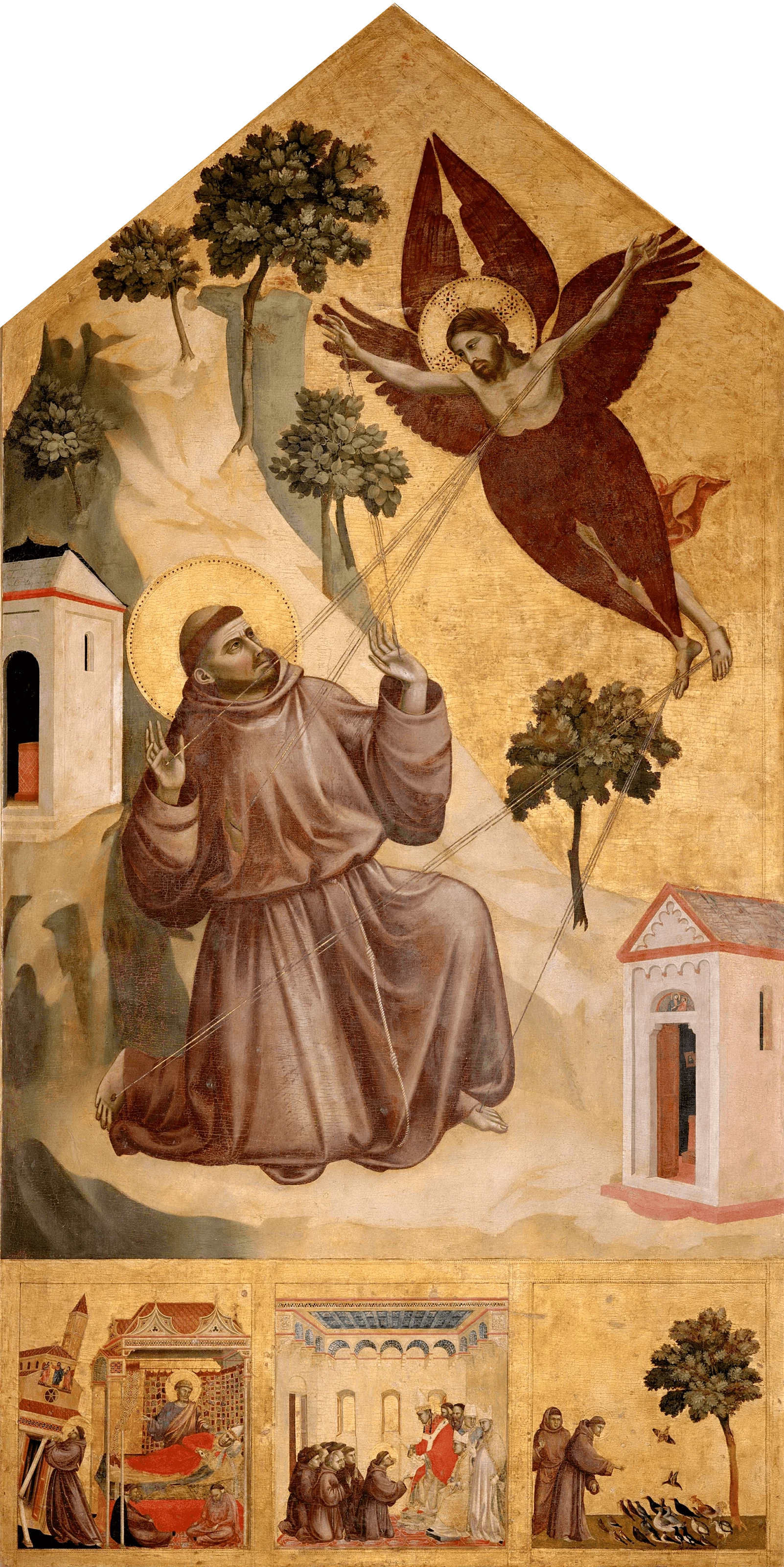
Historically Gothic, working during the Gothic period, painting monumental fresco cycles and religious paintings.
17. Gustave Doré (1832–1883, Strasbourg / Paris, France)
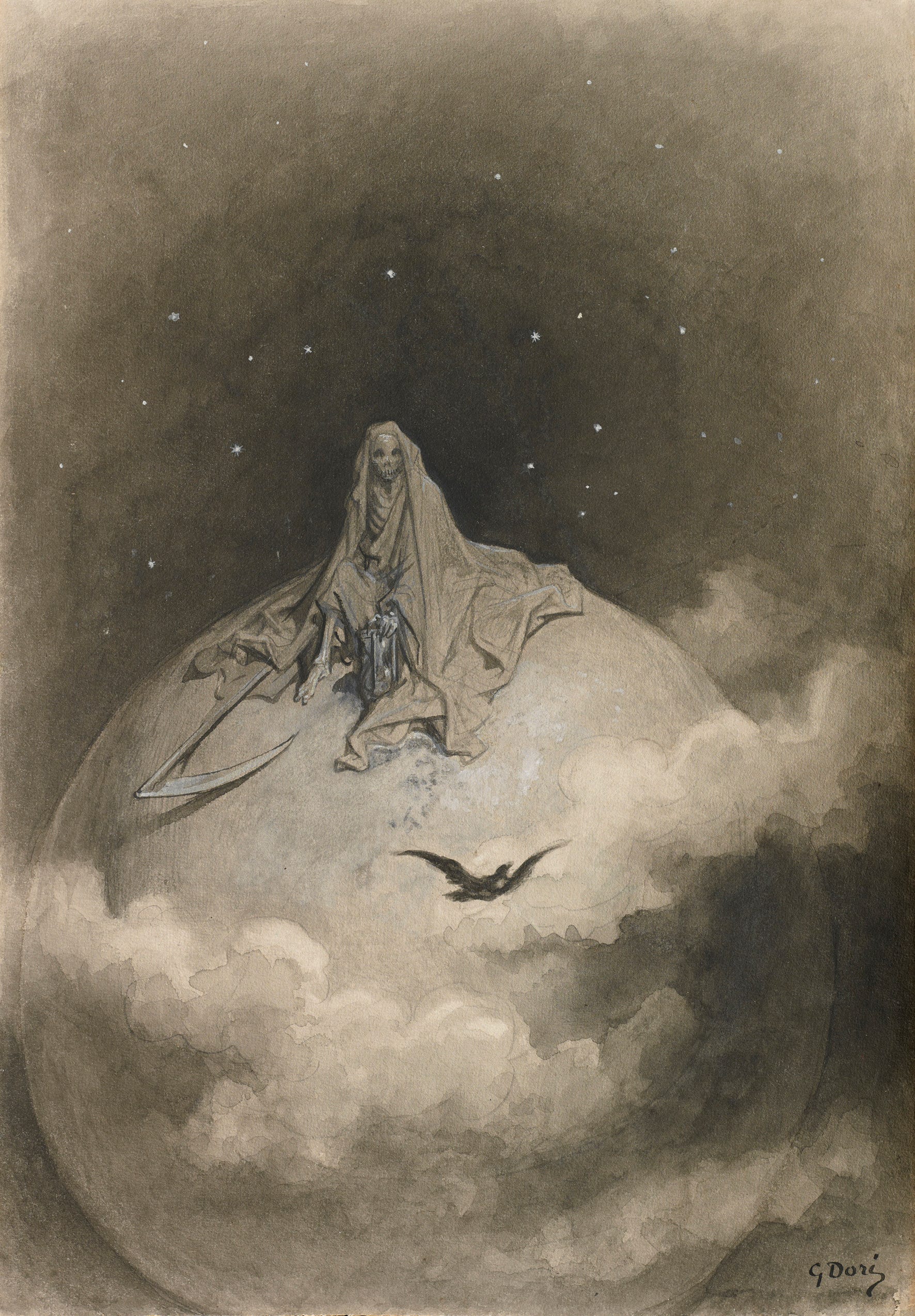
The illustrator, printmaker, painter, and sculptor created illustrations for The Divine Comedy, the Bible, Paradise Lost, and other dark literary works filled with hell, demons, and death.
18. Leonor Fini (1907–1996, Buenos Aires, Argentina / Trieste, Italy / Paris, France)
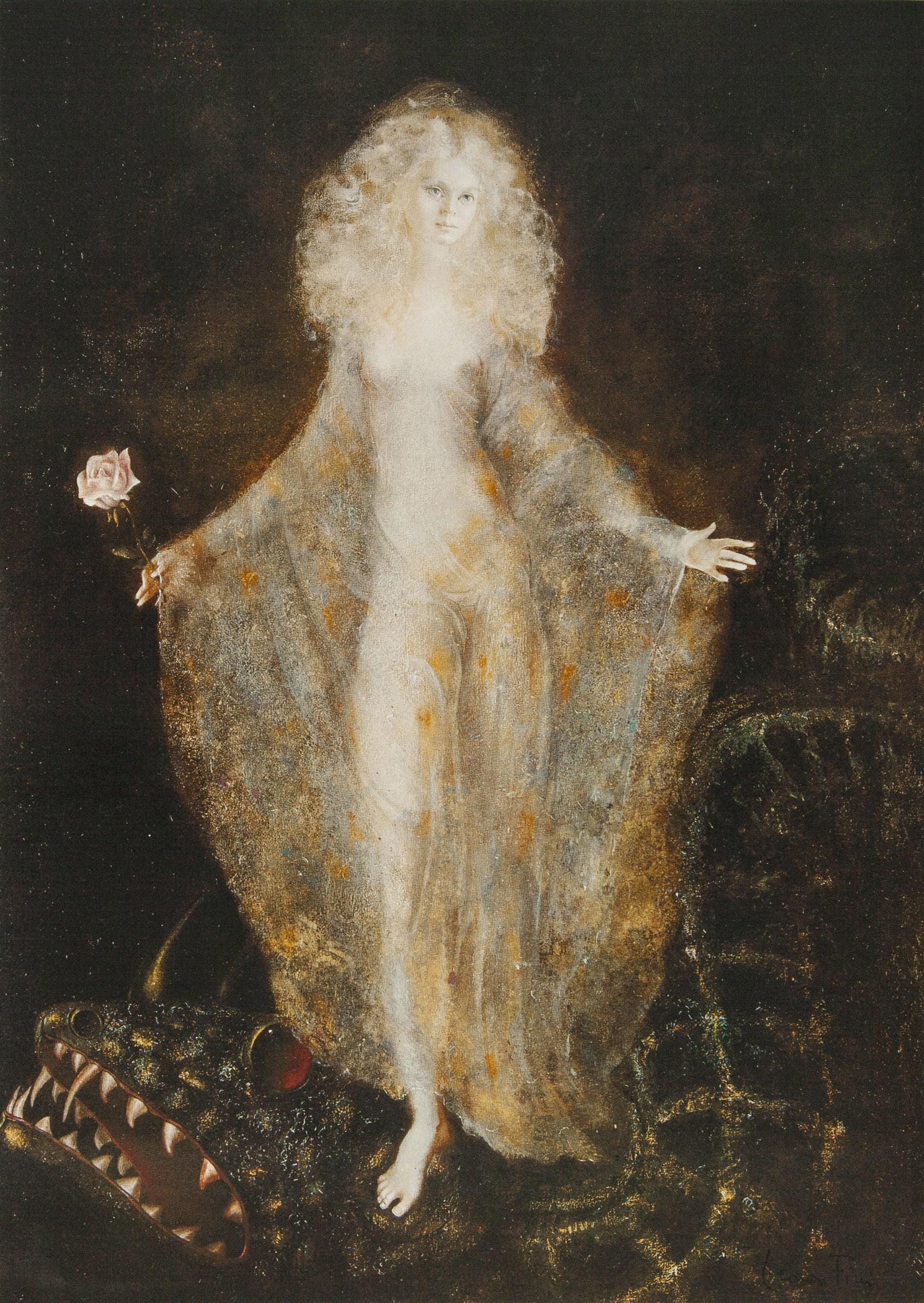
Another surrealist painter (although she didn’t like that association) that I couldn’t help but include. Her feminist paintings are dark, primal, and full of power. She’s a forever favorite. I wrote about her here.
19. Caspar David Friedrich (1774–1840, Greifswald / Dresden, Germany)
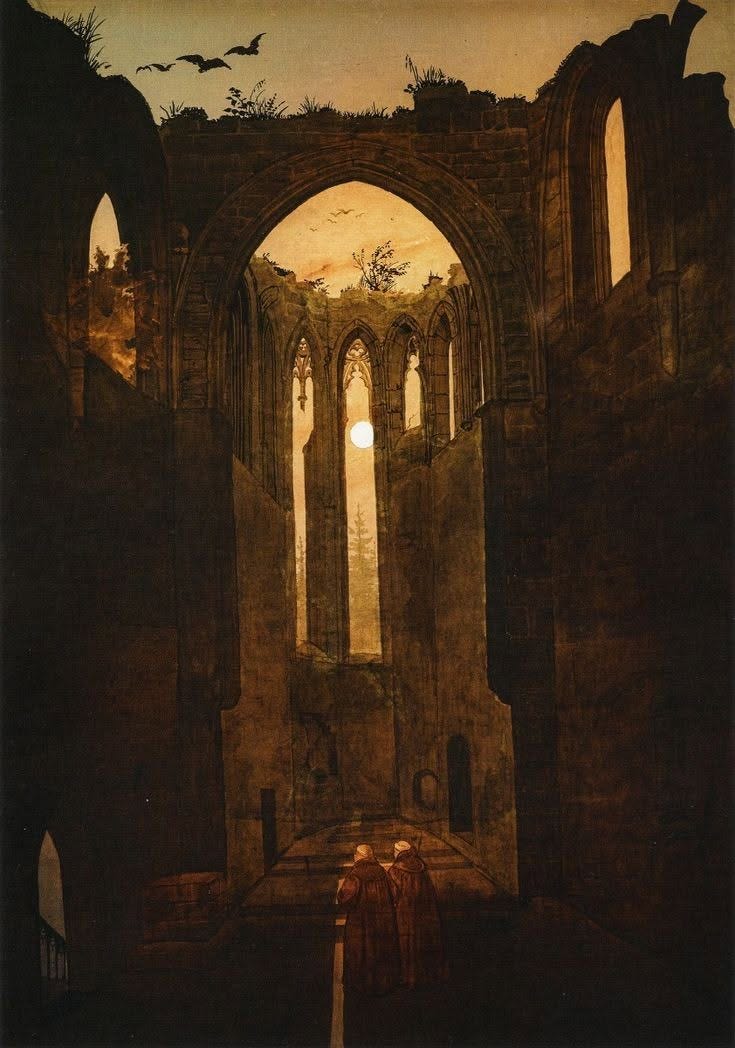
I must admit, I don’t love much of Friedrich’s work. I think it’s kind of boring. But I couldn't leave him off this list because he is so quintessentially Gothic. Espeically here (in a piece I do actually enjoy).
20. Henry Fuseli (Johann Heinrich Füssli) (1741–1825, Zürich, Switzerland / London, England)
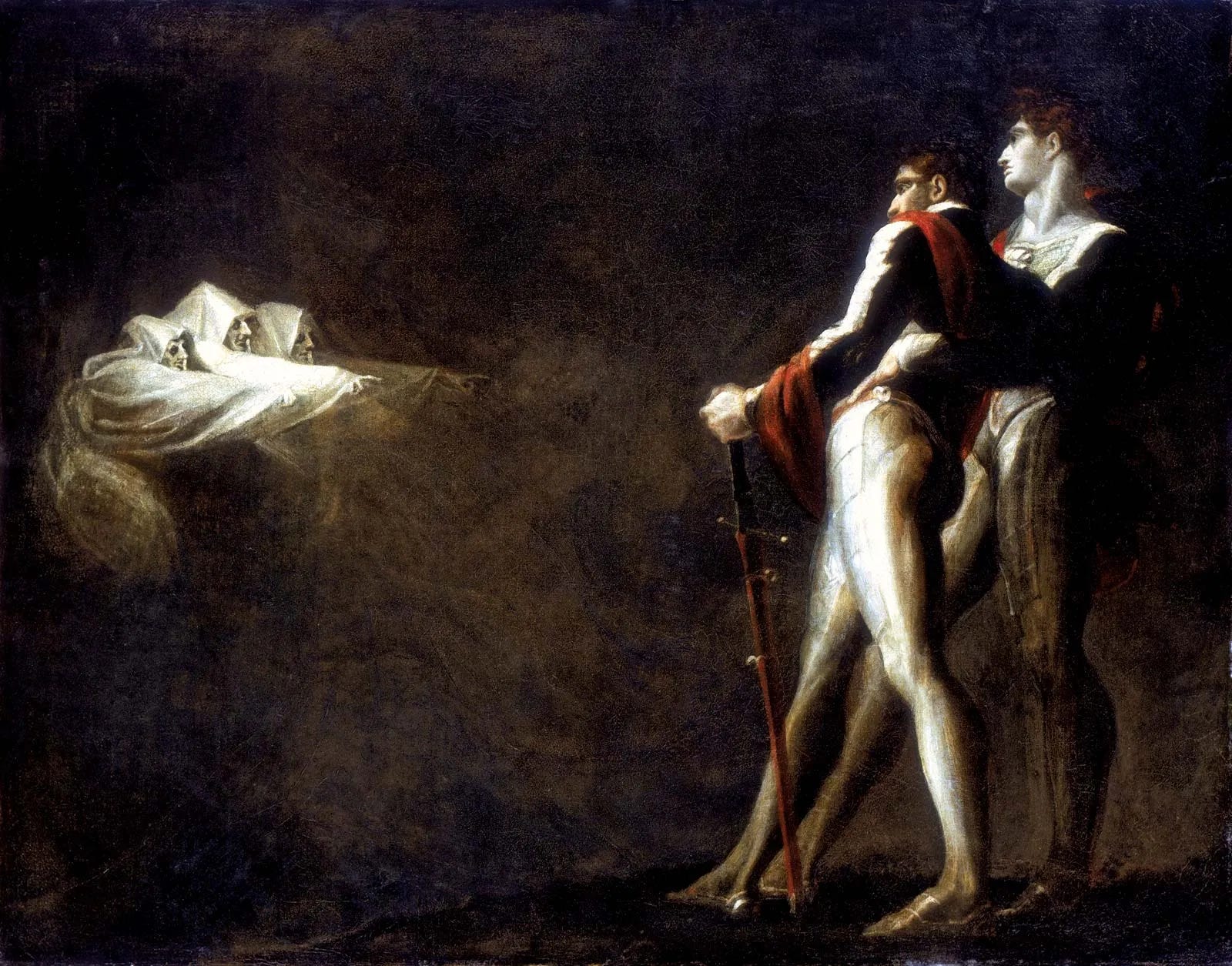
Now onto a Gothic artist I ADORE. Fuseli was a Romantic painter and draftsman who painted nightmarish scenes, supernatural beings, Shakespearean scenes, and psychologically charged fantasies. For me, Fuseli is the quintessential Gothic historical artist.
21. Edward Gorey (1925–2000, Chicago, Illinois / Cape Cod, Massachusetts, USA)
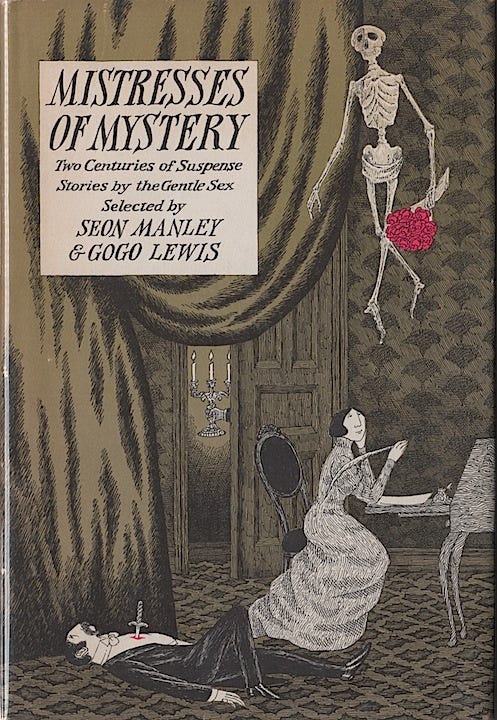
I can’t believe I left Gorey off my Big List of Whimsical Artists; thankfully, a commenter reminded me, and I have been waiting to include him ever since. His work is explicitly gothic (doomed children, death, monsters), but so whimsical and humorous! I found a few used copies of covers he illustrated for Manley & Lewis short story collections: Sisters of Sorcery, Ladies of the Gothic, and Mystress of Mystery (my favorite illustration), which I absolutely cherish.
22. Francisco Goya (1746–1828, Fuendetodos / Madrid, Spain / Bordeaux, France)
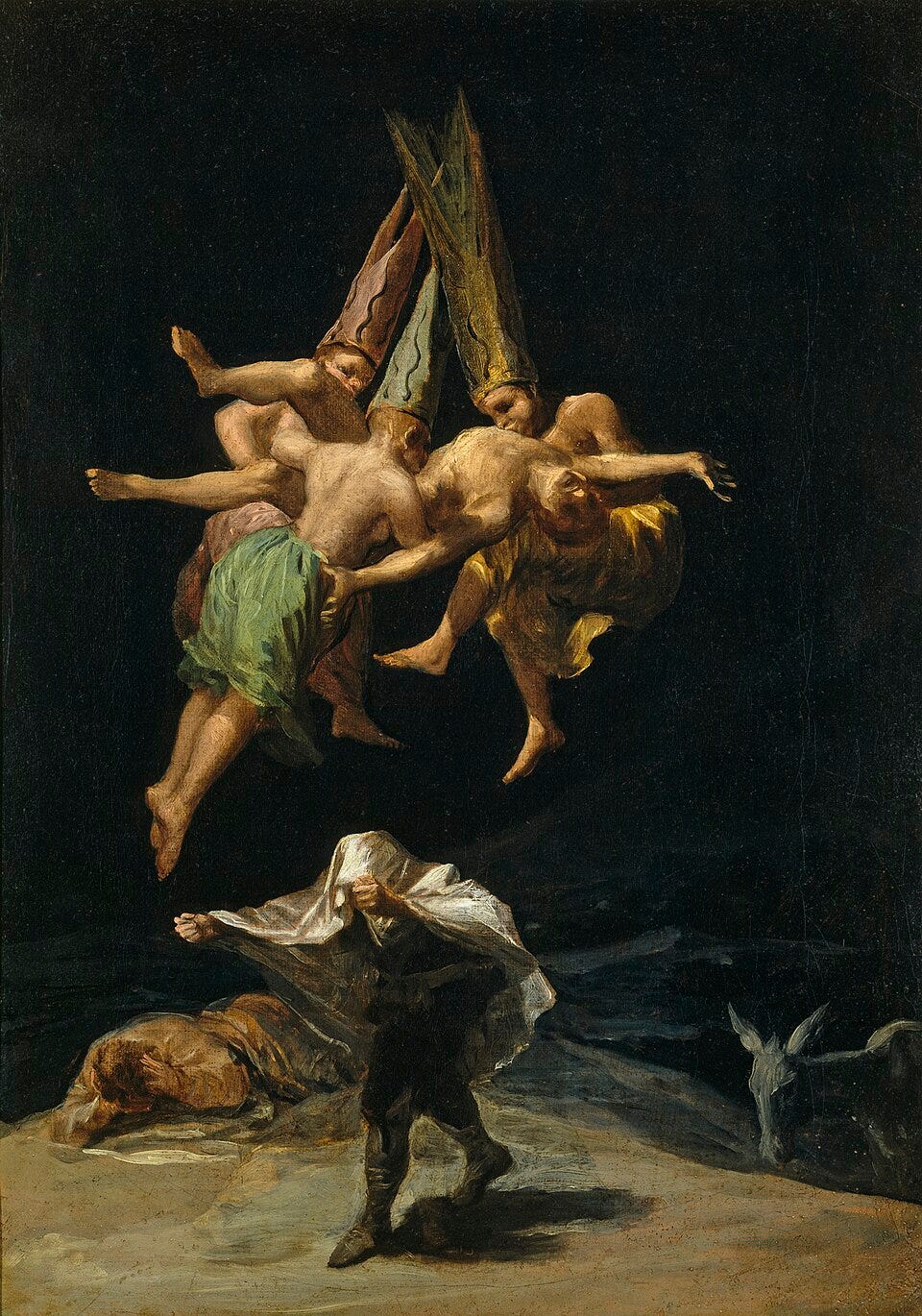
His later work is dark and grotesque, dreamlike and violent.
23. Alfred Kubin (1877–1959, Bohemia / Austria)
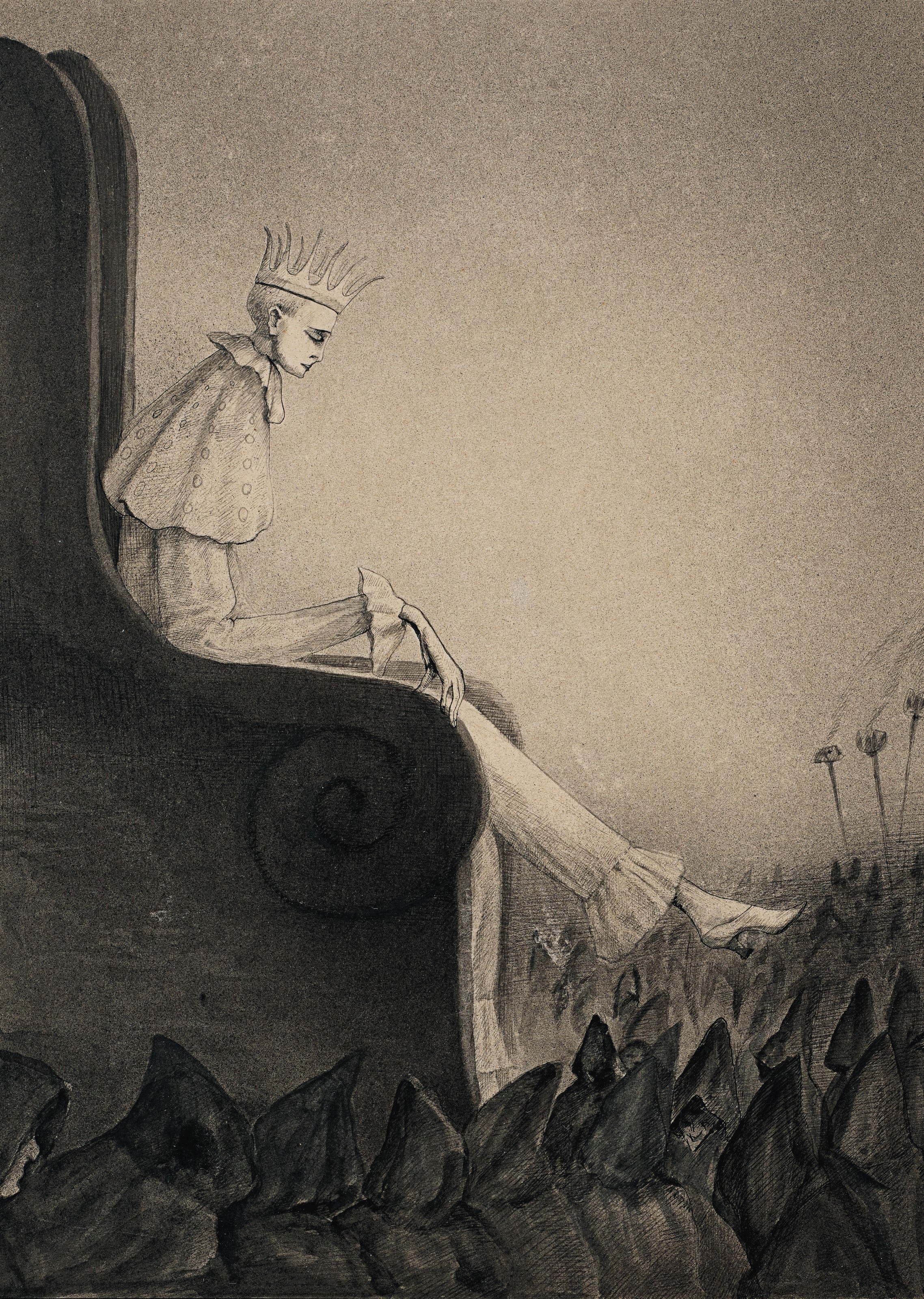
The illustrator's work blends gothic horror with symbolism and expressionism.
24. Szilveszter Makó (living, Miskolc, Hungary / Europe)
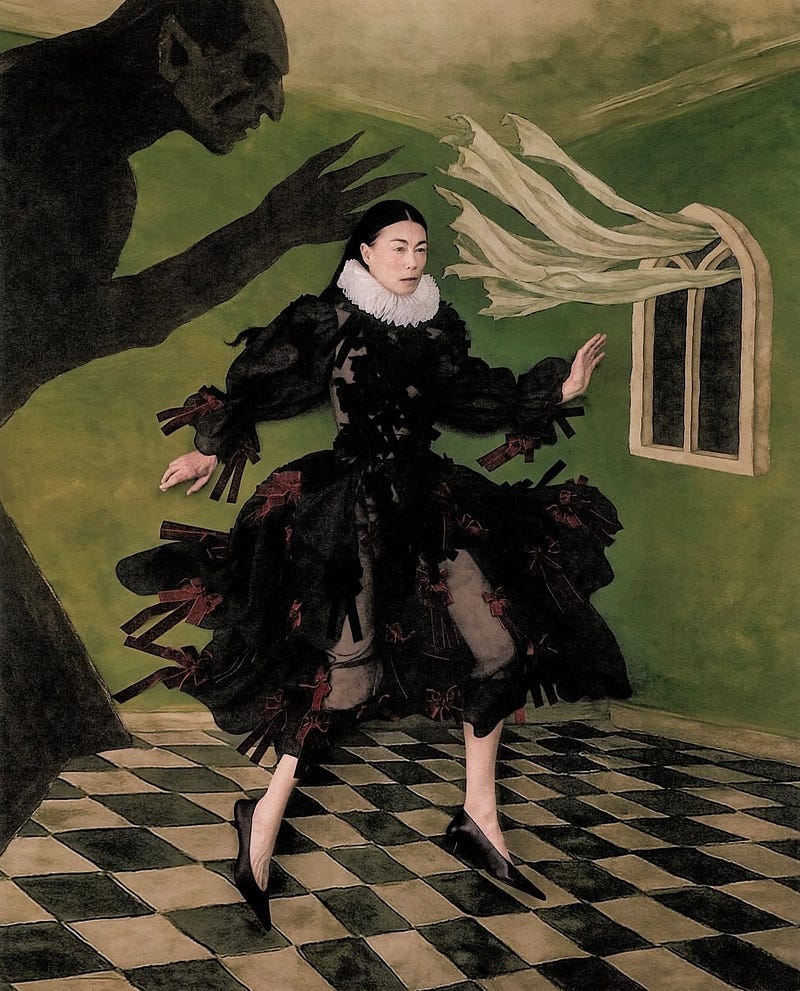
He’s the hottest photographer/art director in fashion right now. His surrealist and theatrical staging is delightfully refreshing (even though his work is everywhere at the moment). His gothic campaigns (Especially for Abodi) have been my favorite.
25. Simone Martini (c. 1284–1344, Siena, Italy / Avignon, France)
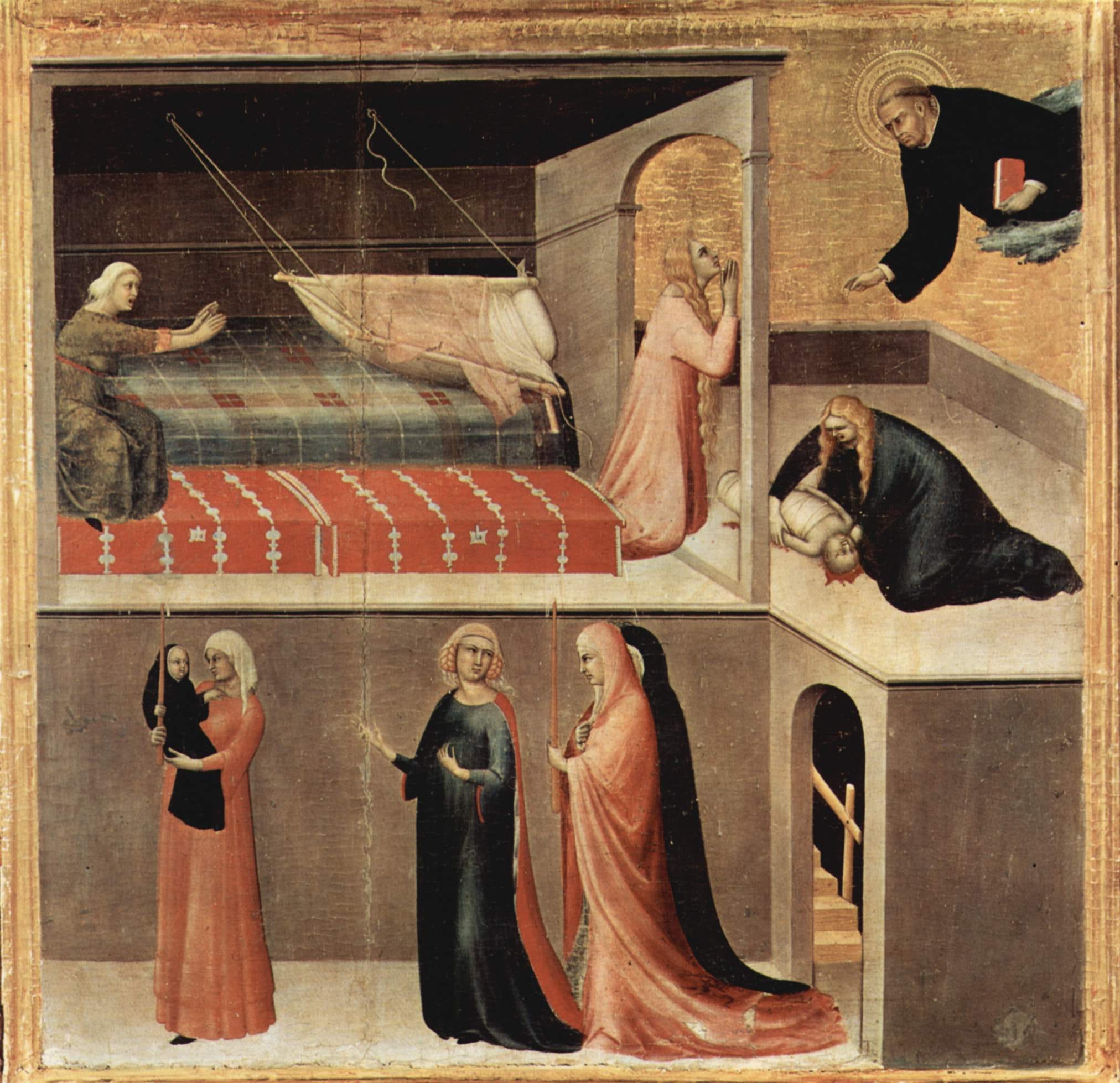
Another literal Gothic painter from the Gothic era. His work is elegant, rather than frightening, and quite beautiful.
26. Jesse Mockrin (b. 1981, Silver Spring, Maryland / Philadelphia, Pennsylvania, USA)
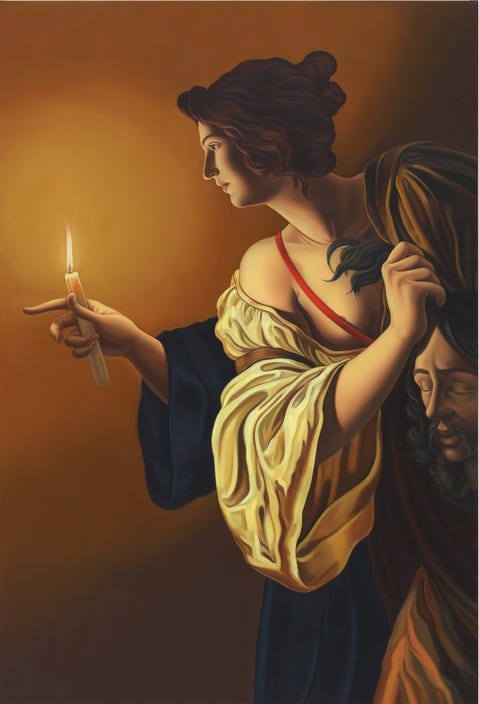
Mockrin is a contemporary figurative painter who reconstructs and crops imagery from Renaissance, Baroque, and Dutch Old Master paintings.
27. John Kenn Mortensen (b. 1978, Denmark / Copenhagen, Denmark)
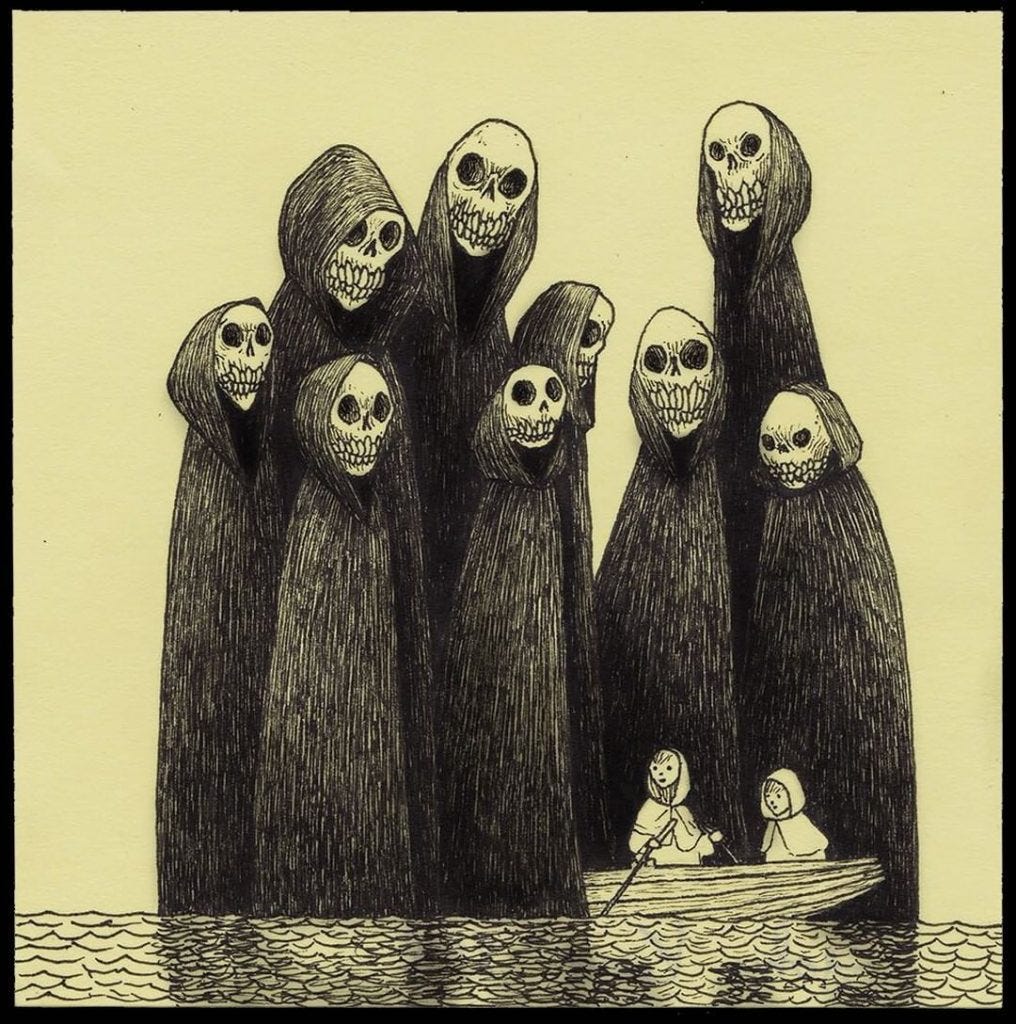
He famously makes his tiny drawings of monsters, ghosts, and enormous creatures on Post-it notes.
28. Gustave Moreau (1826–1898, Paris, France)
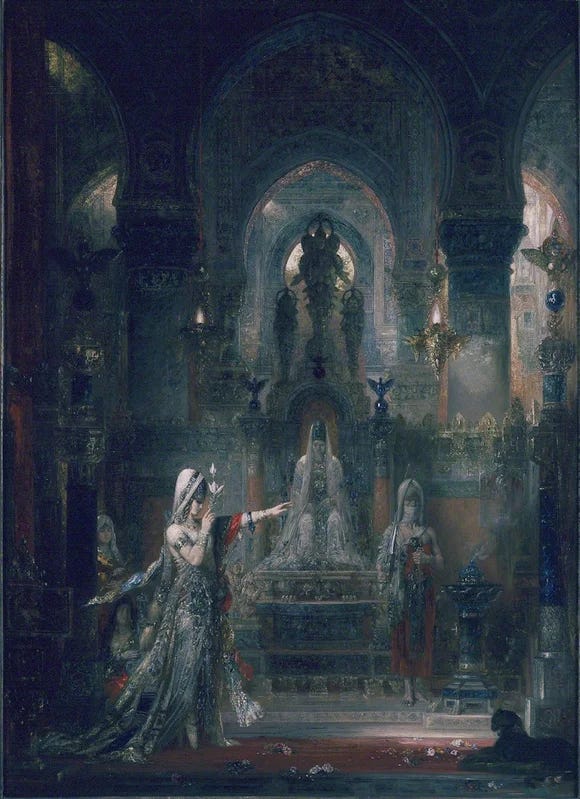
The Symbolist painter creates dense, jewel-like mythological and biblical scenes filled with decadence, mysticism, and elaborate ornamentation. I wrote about him here.
29. Edvard Munch (1863–1944, Norway)
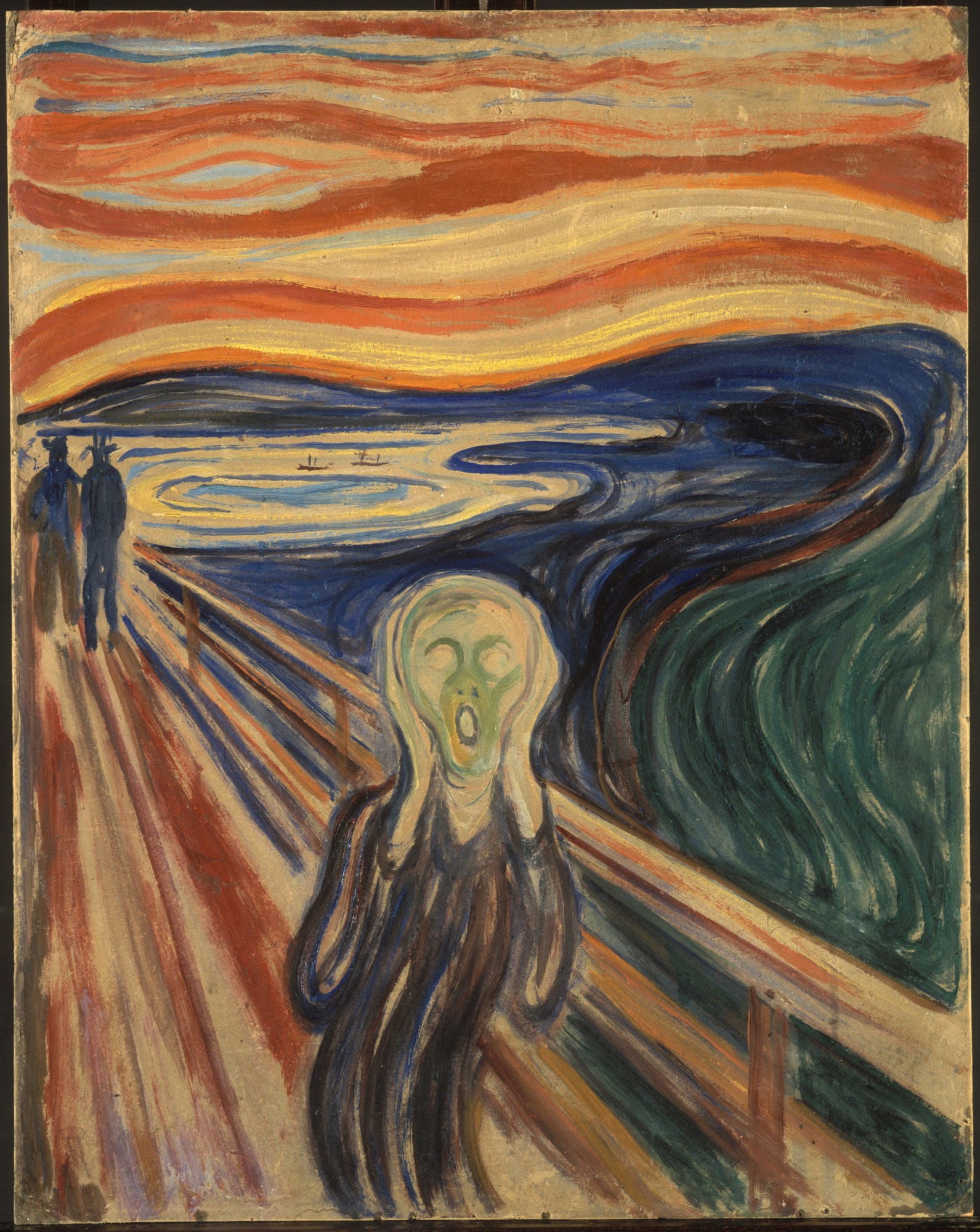
The Scream. Need I say more?
30. Kay Nielsen (1886–1957, Copenhagen, Denmark / California, USA)
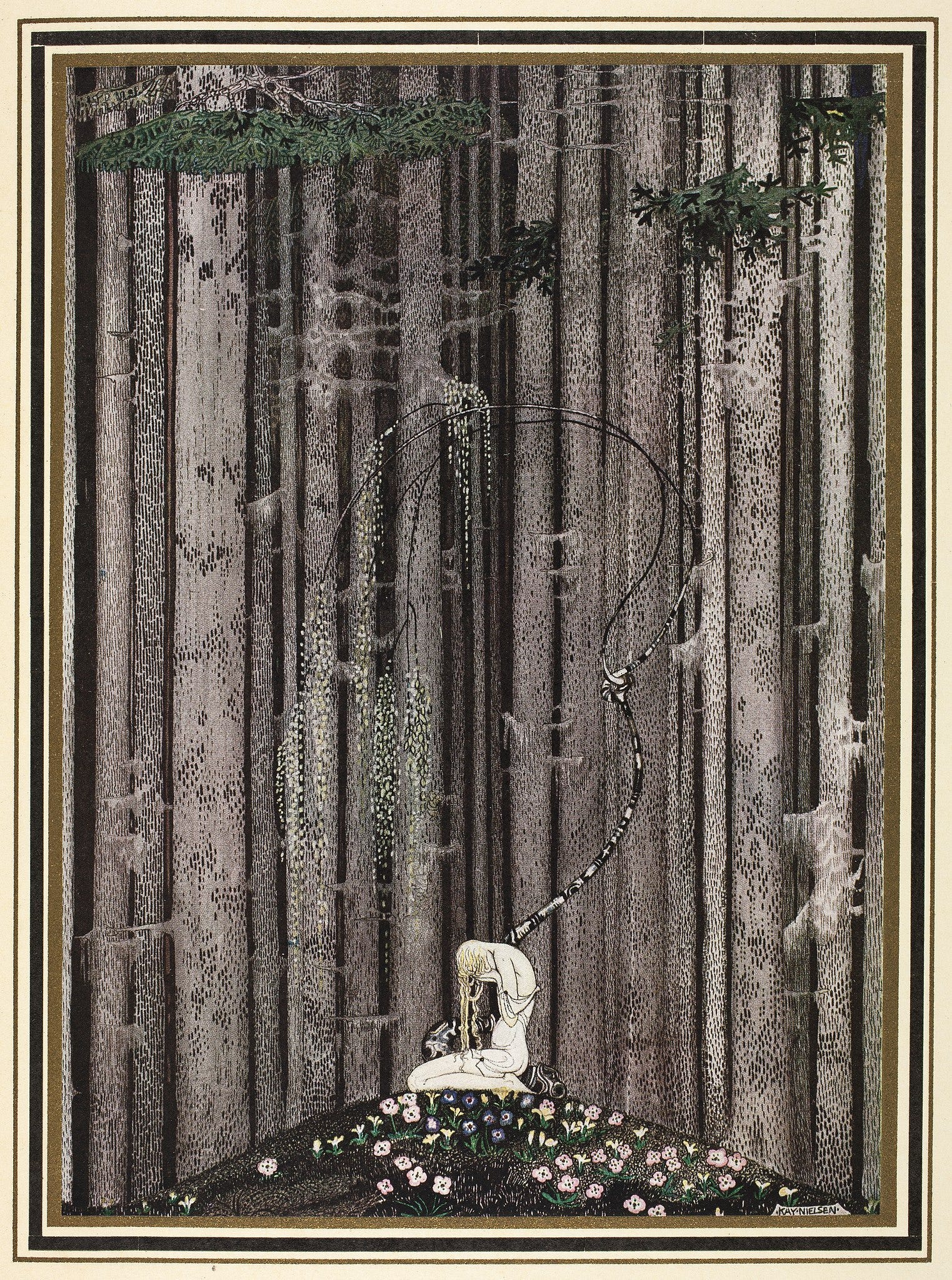
Nielsen illustrated dark fairy tales with mysterious and enchanted landscapes. There are witches, forests, and gothic castles.
31. Mervyn Peake (1911–1968, China / England)
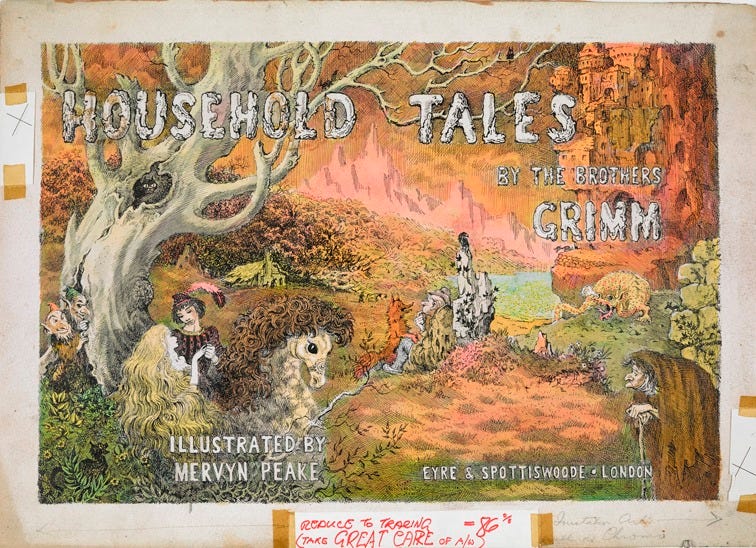
Peake made it onto my Gothic Autumn reading list (coming next weekend) with his Gormenghast novels, and I was delighted to discover that he was an illustrator as well.
32. James Ferrier Pryde (1866–1941, Edinburgh / London, UK)
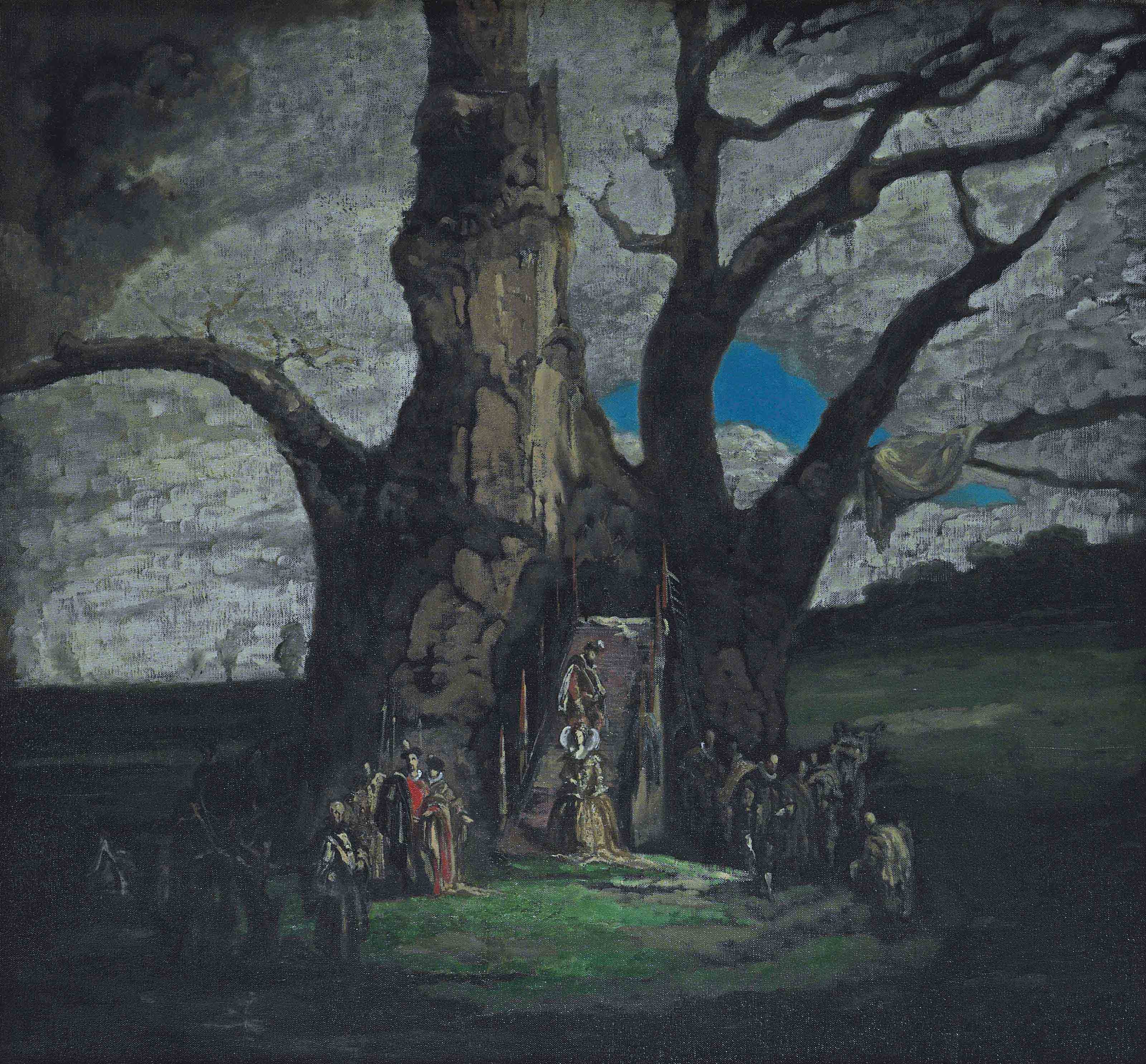
His paintings look like what I see in my mind when I read a Gothic novel.
33. Odilon Redon (1840–1916, Bordeaux / Paris, France)
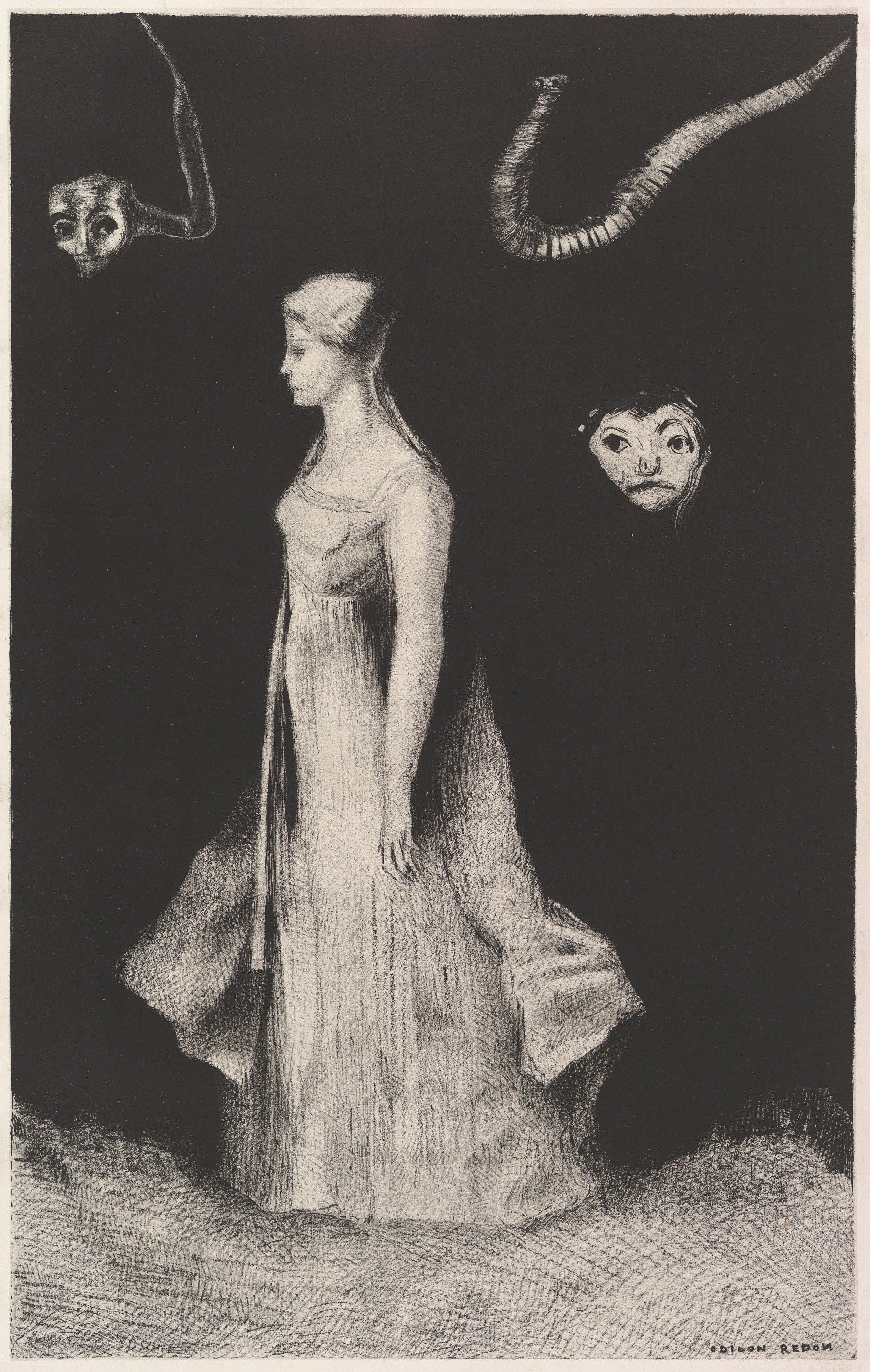
Another Symbolist painter (I'm really into them right now) who paints floating eyes, strange heads, spiders, and monsters. Not all of his work is Gothic, but it is all incredibly whimsical.
34. Henri Regnault (1843–1871, Paris, France)
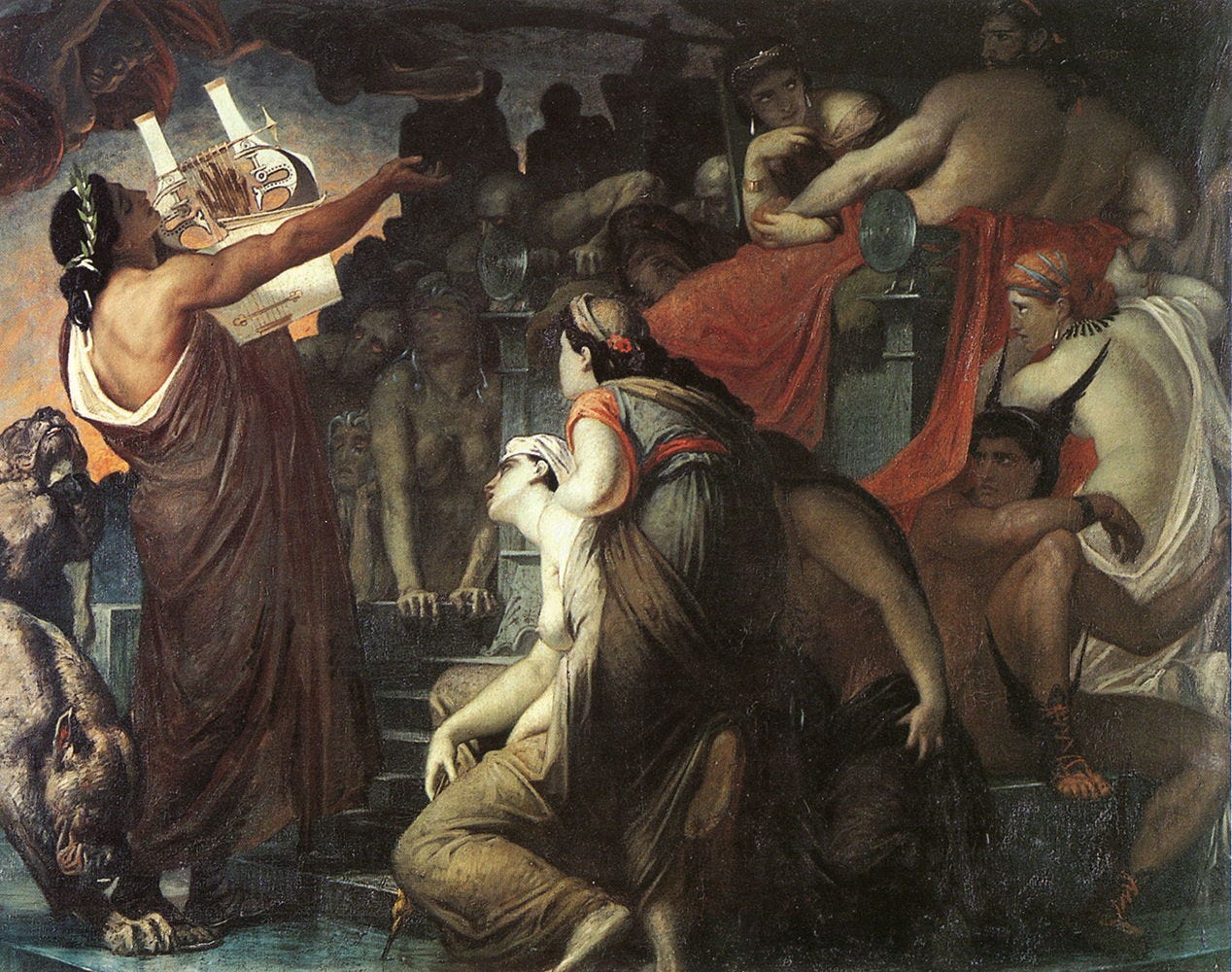
Regnault painted dramatic historical and exotic subjects with dense theatrical color and violence. If you watch What We Do in the Shadows – you will recognize his portrait of Salome (that’s mostly why I have included him here although I chose a different painting).
35. Félicien Rops (1833–1898, Namur, Belgium / Paris, France)
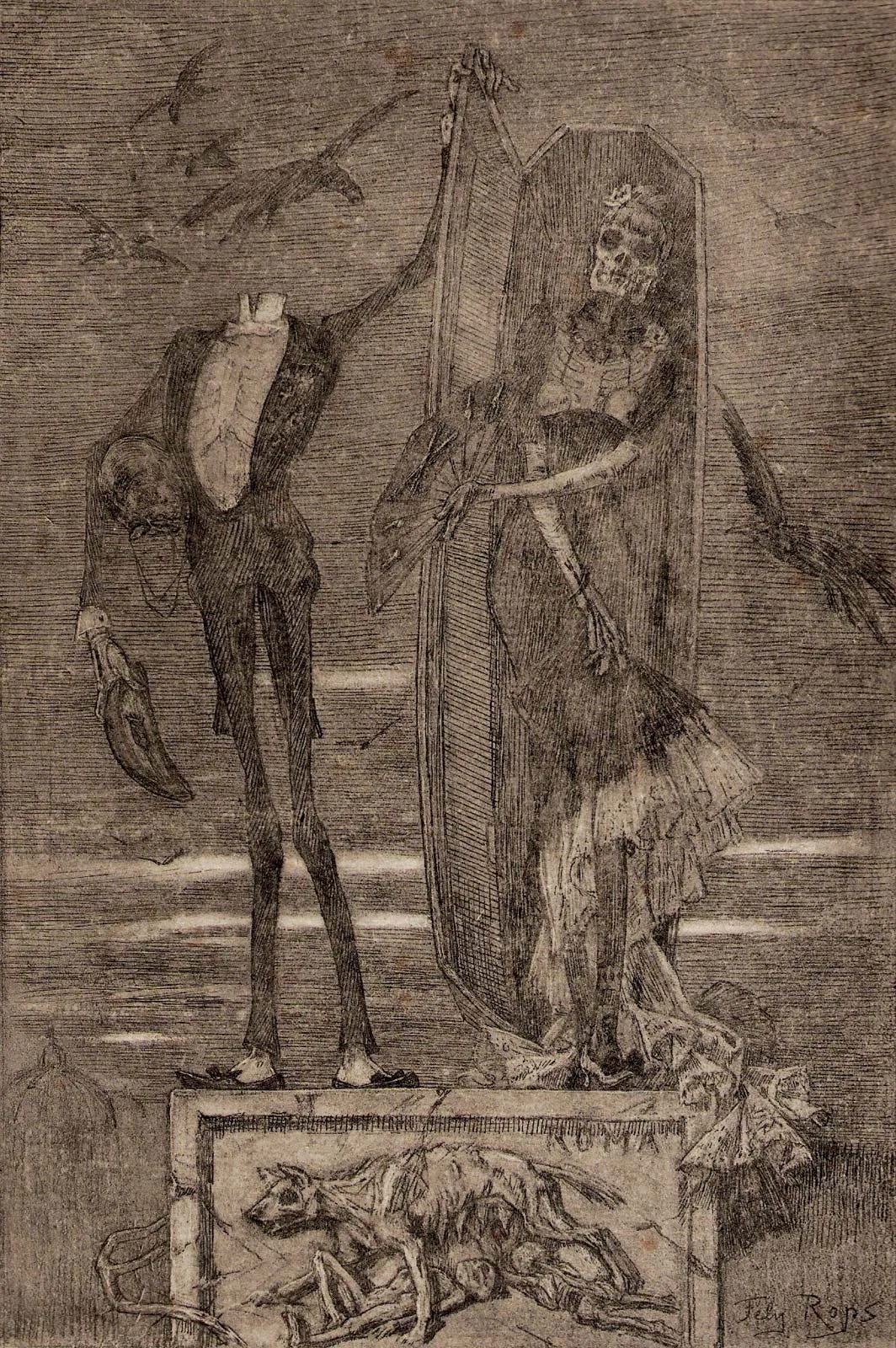
Another Gothic illustrator.
36. Mark Ryden (b. 1963, Medford, Oregon / California, USA)
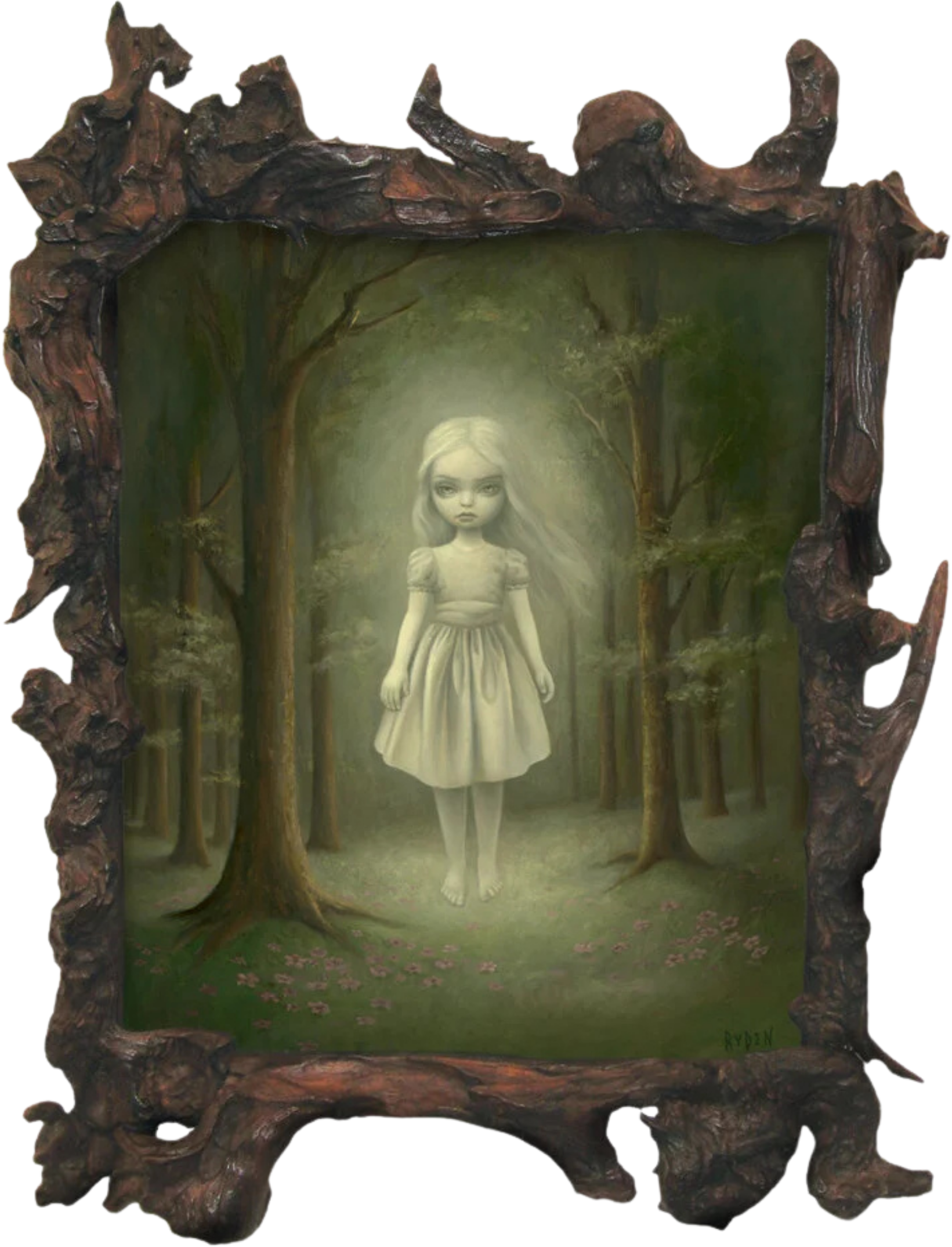
A contemporary painter associated with pop surrealism. I usually hate anything associated with pop, but Ryden’s world is so strange I can get on board.
37. Nicola Samorì (b. 1977, Forlì / Bagnacavallo, Italy)
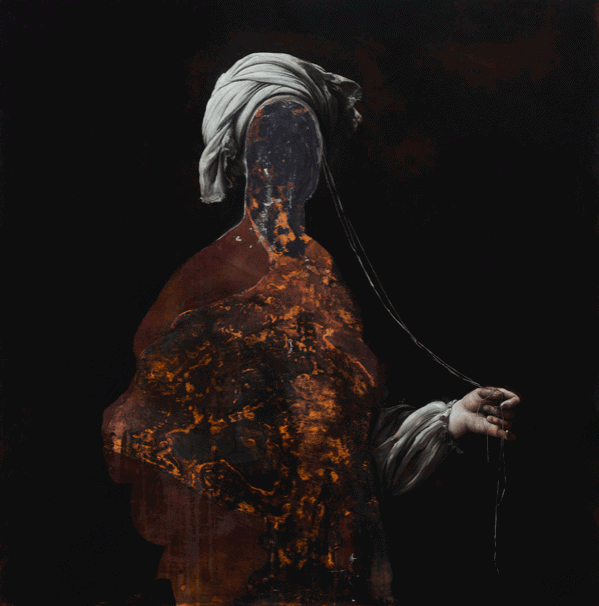
Samorì paints old-master style works that he scratches, peels, and mutilates. His work couldn’t be more gothic.
38. Franz Sedlacek (1891–1945, Breslau/Wrocław / Linz / Vienna, Austria)
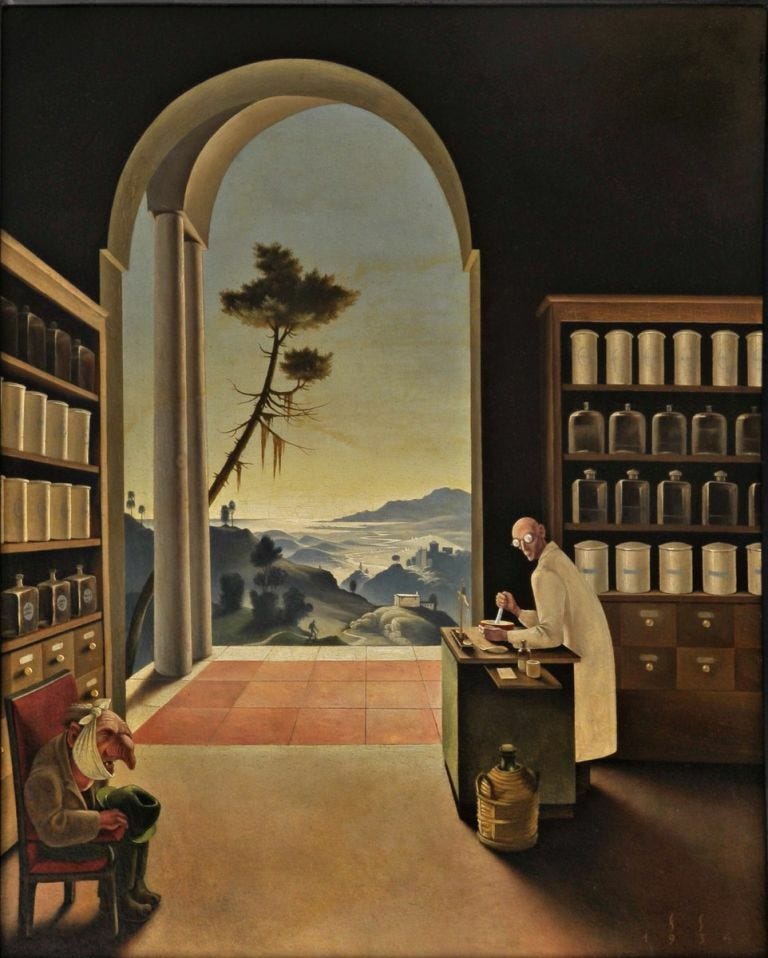
Sedlacek was associated with New Objectivity, Magical Realism, and Neo-Romanticism, but to me his work feels like a bit of a satire (although it’s not described that way). It seems as if he is reworking Gothic visual language with some humor.
39. Sidney Sime (1865–1941, Manchester / Surrey, England)
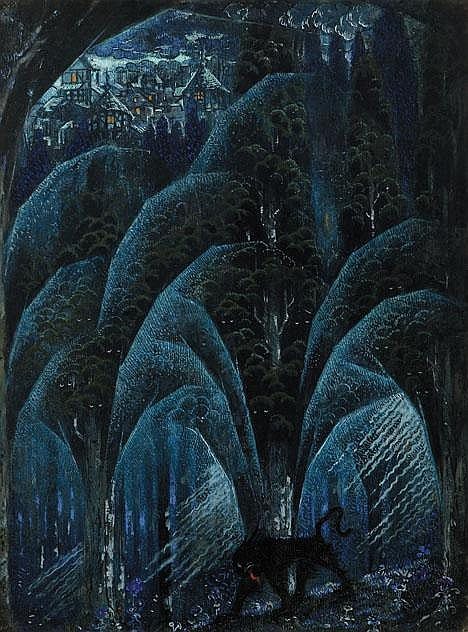
Another illustrator who blends Victorian illustration, fantasy, and Gothic horror.
40. Lillian Smith (Living, Brooklyn, NY)
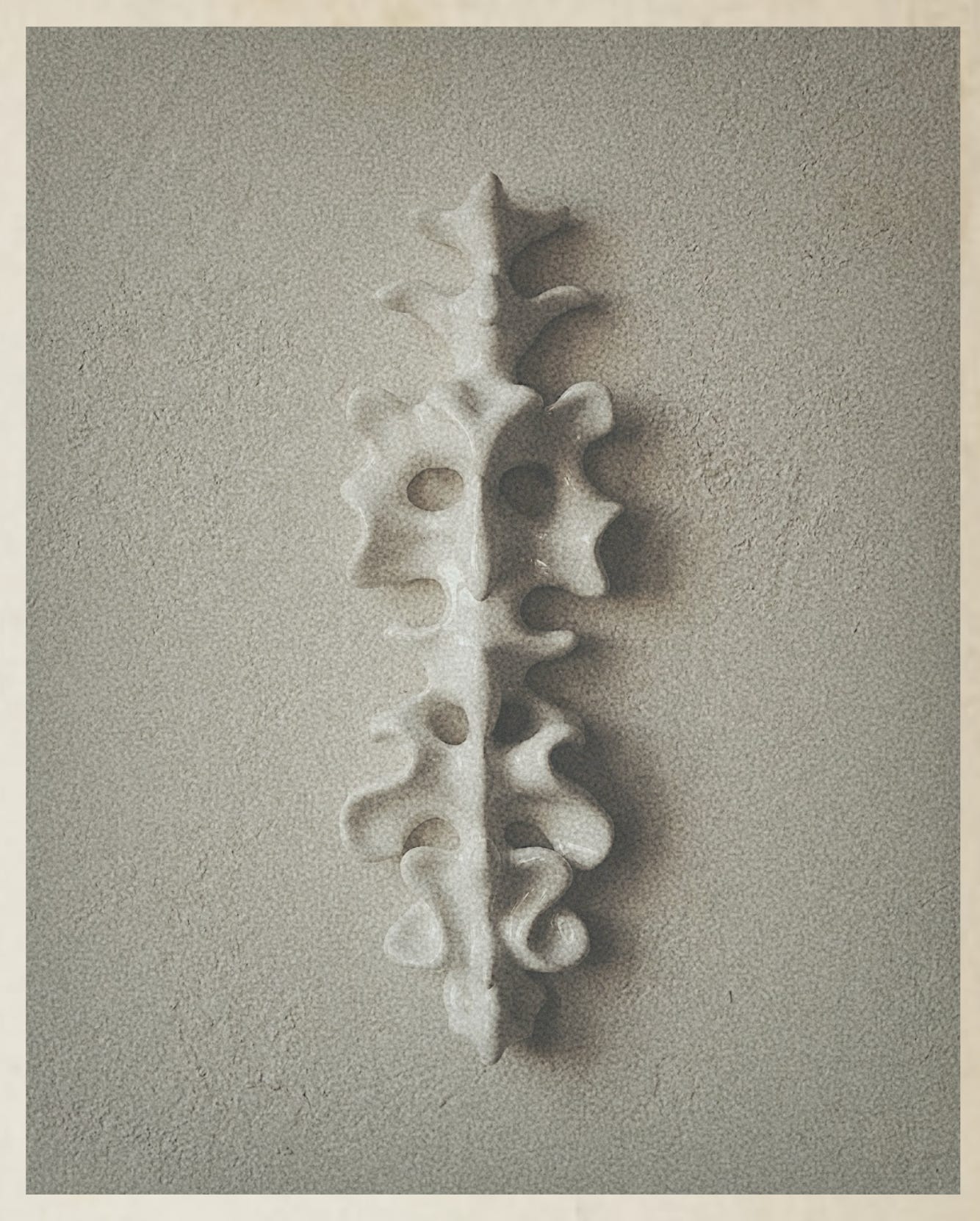
One of our artists at LES! Smith creates ceramic wall hangings that are inspired by human anatomy and Gothic architecture. I have one in my office. I’m looking at it right now.
41. Becky Stuss (living)
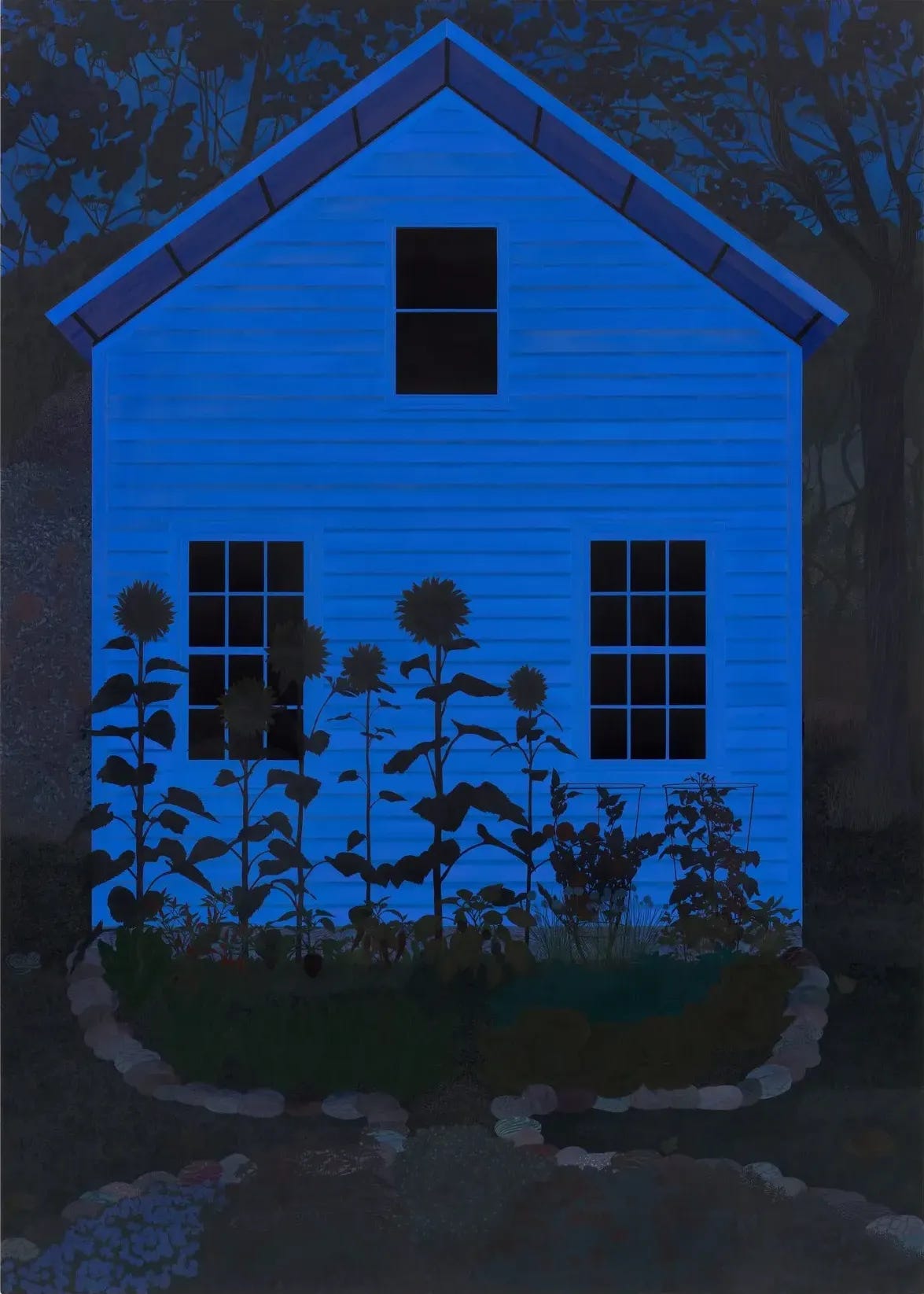
She has a show at Jack Shaiman in NYC this fall I am eager to see! It’s on my Massive Guide to the NYC Art Scene.
42. Franz von Stuck (1863–1928, Tettenweis / Munich, Germany)
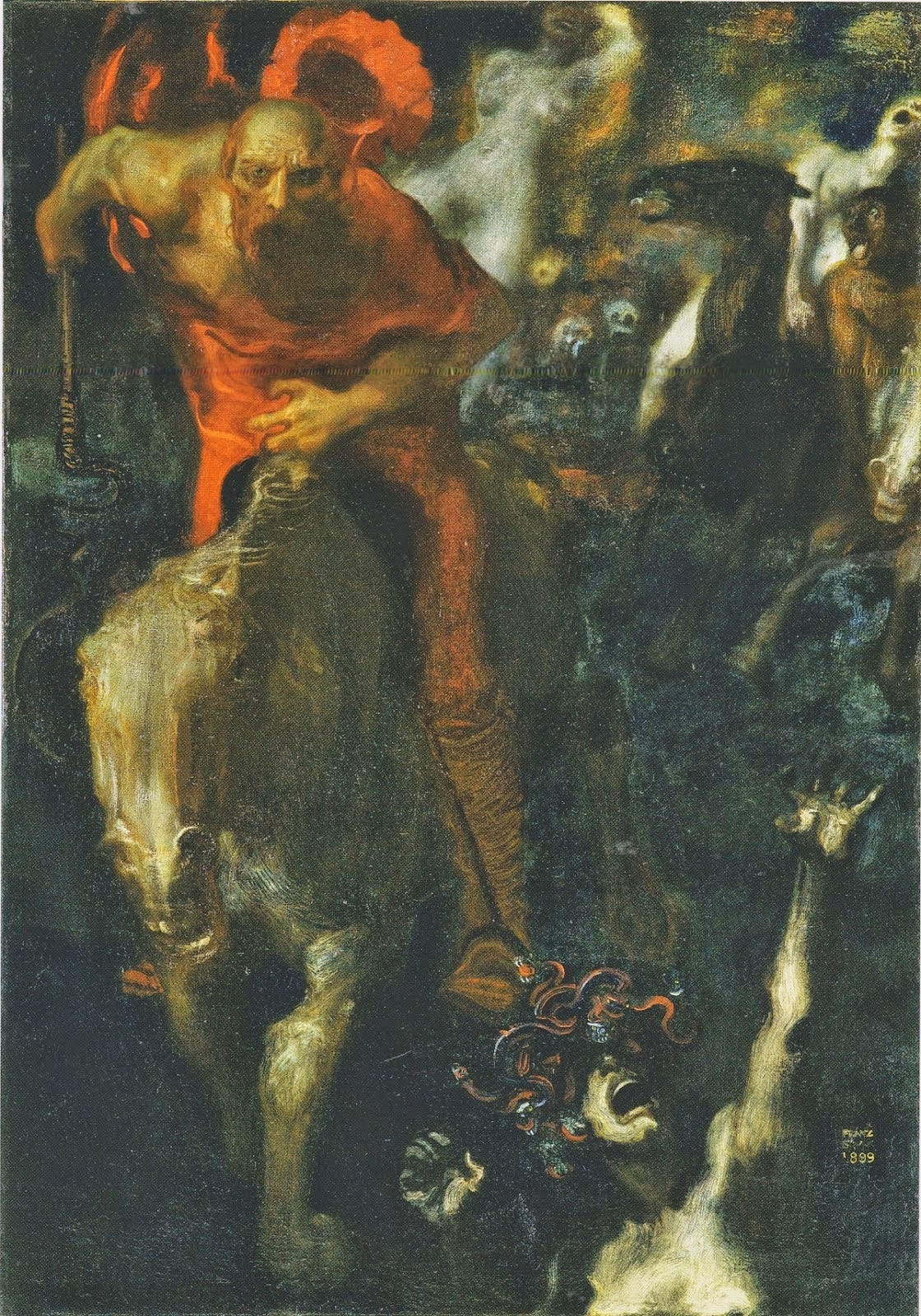
Another Symbolist painter, this one a bit more overtly horrific, at least in the Wild Hunt!
43. Pol Taburet (b. 1997, Paris, France)
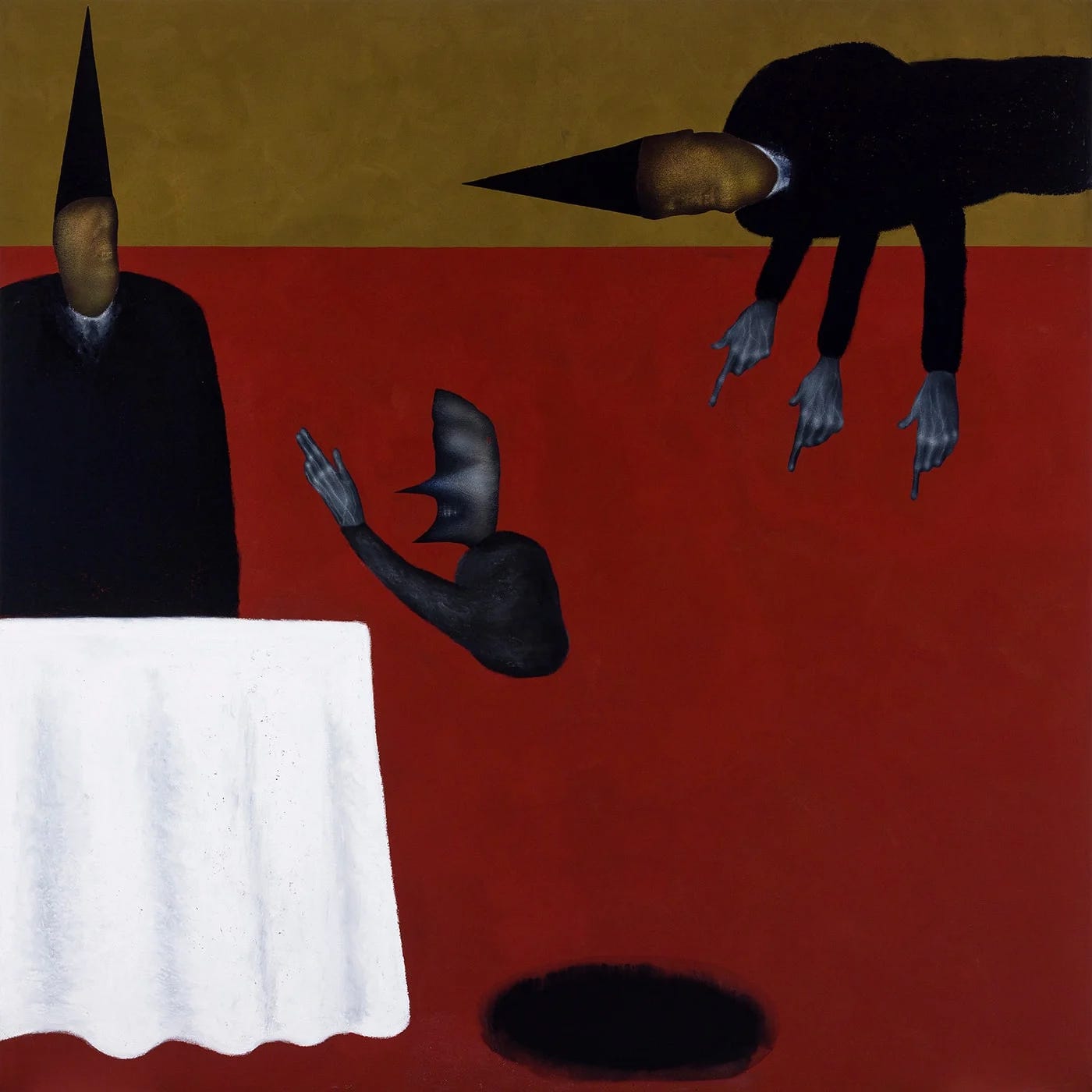
A strange contemporary figurative painter that I’m paying attention to.
44. Dorothea Tanning (1910–2012, Galesburg, Illinois, USA / Paris, France)
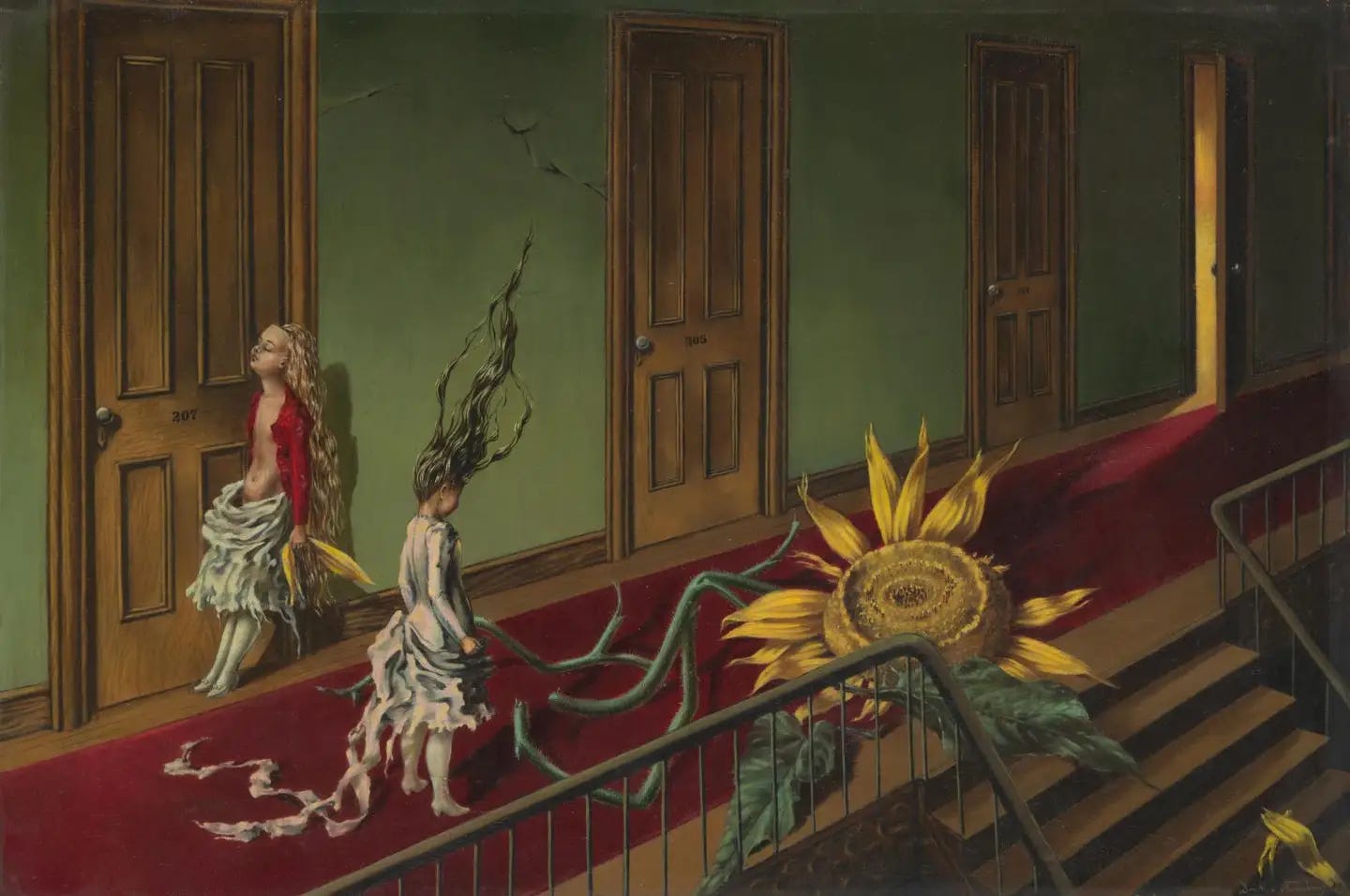
How did I leave her off my Big List of Whimsical Artists?! Oh, do I love the women surrealists.
45. Toyen (Marie Čermínová) (1902–1980, Prague, Czech lands / Paris, France)
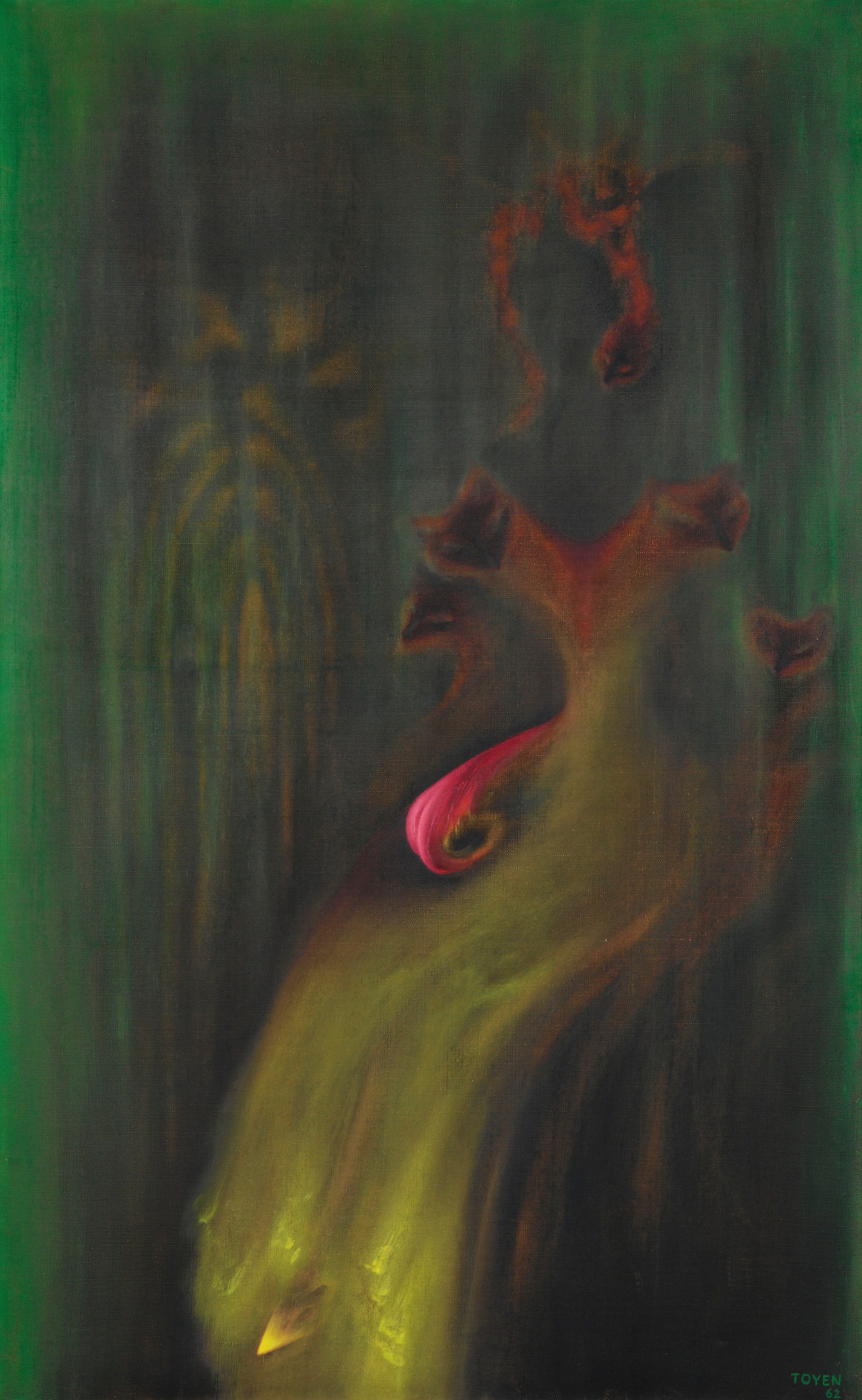
Toyen’s surrealist paintings are dark, dreamy, and luxuriously mysterious.
46. Wolfe von Lenkiewicz (Living)
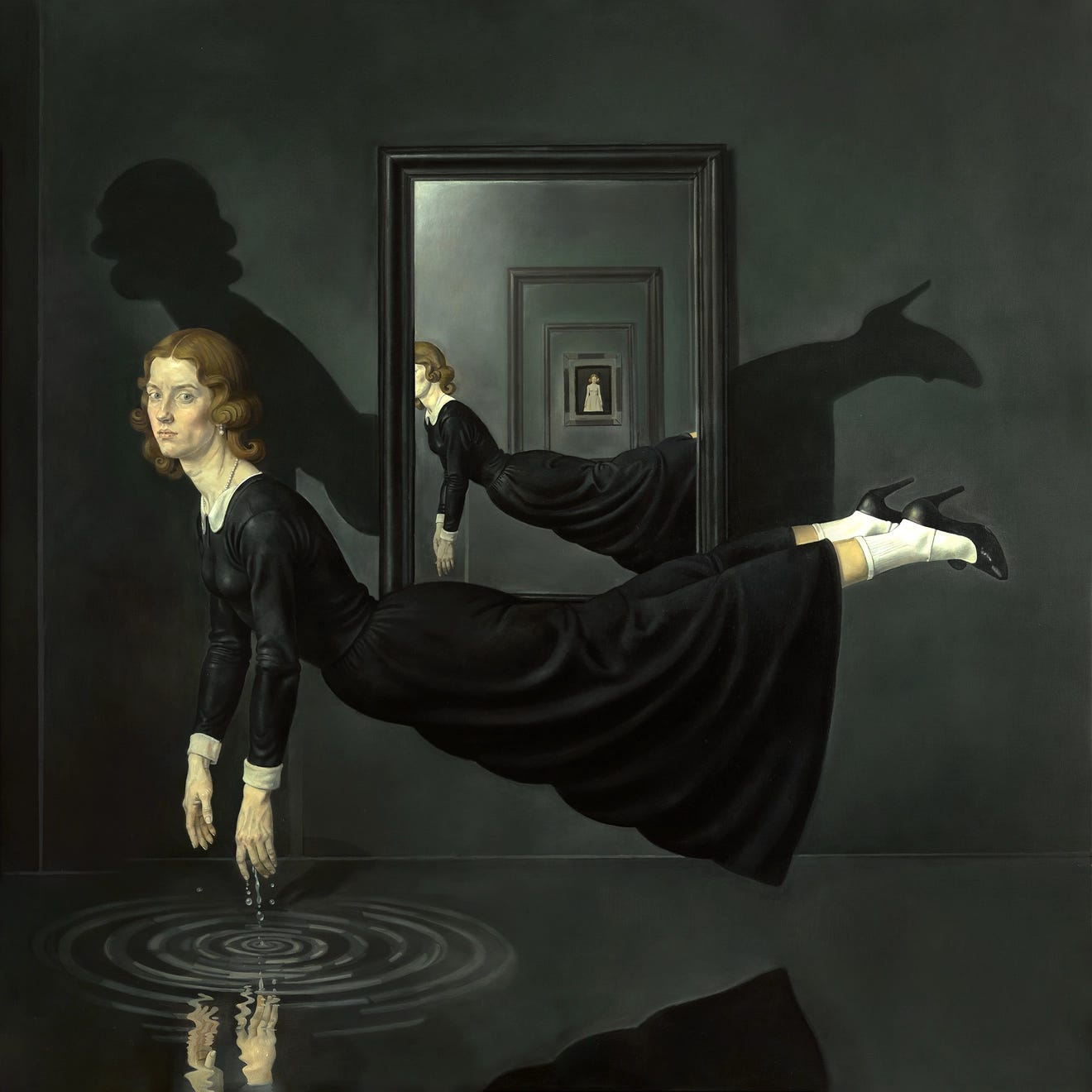
Von Lenkiewicz reimages old masters, mythology, and religious painting in a way that feels stripped back and modernized. It’s not all gothic, but my favorites, like Measured Silence, fit the theme perfectly.
47. Elliot Wair (b. 2003, Southeast England)
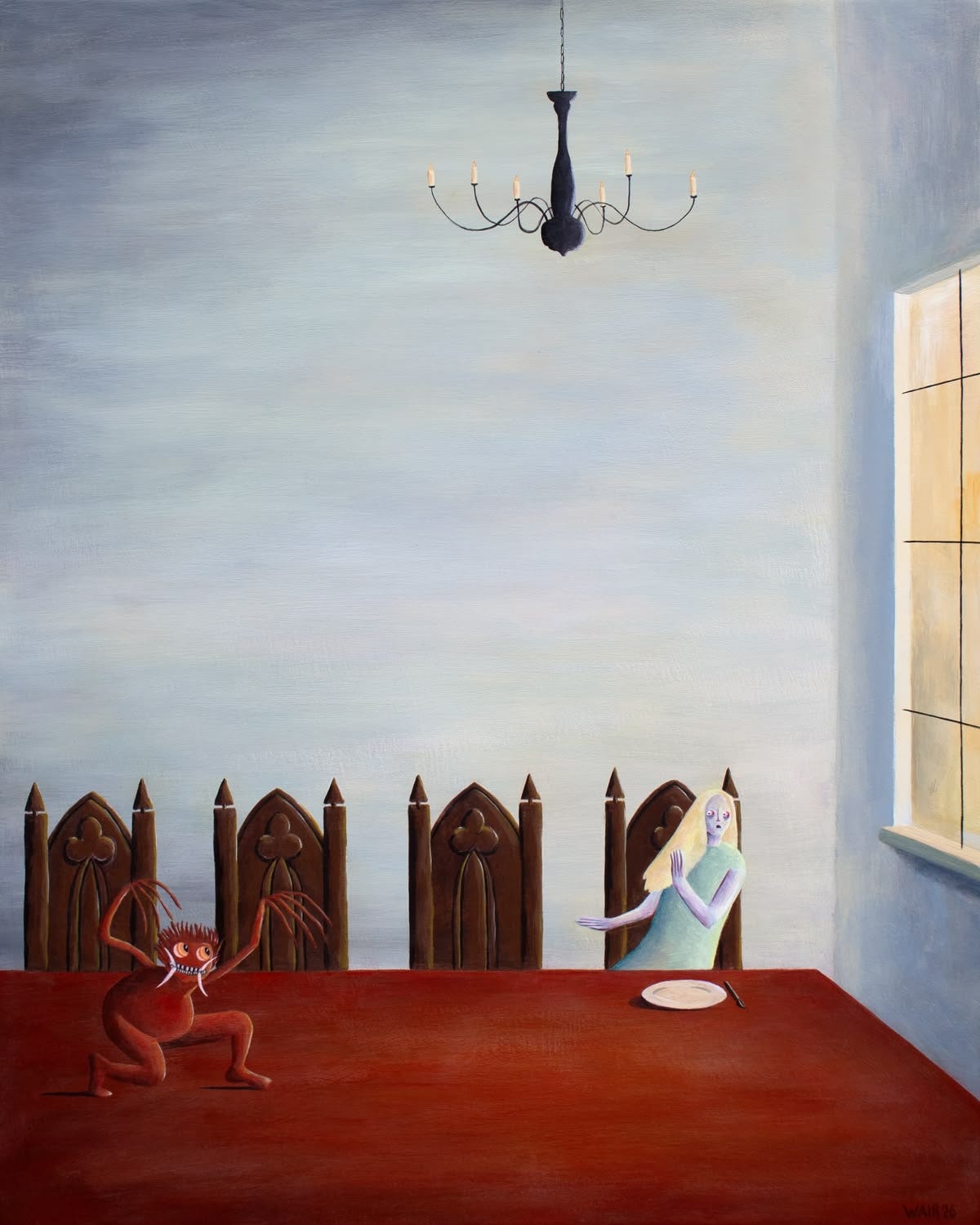
This is pure gothic play. Wair’s work is contemporary gothic with a tight palette and strong sense of narrative. I love it.
48. Aleksandra Waliszewska (b. 1976, Warsaw, Poland)
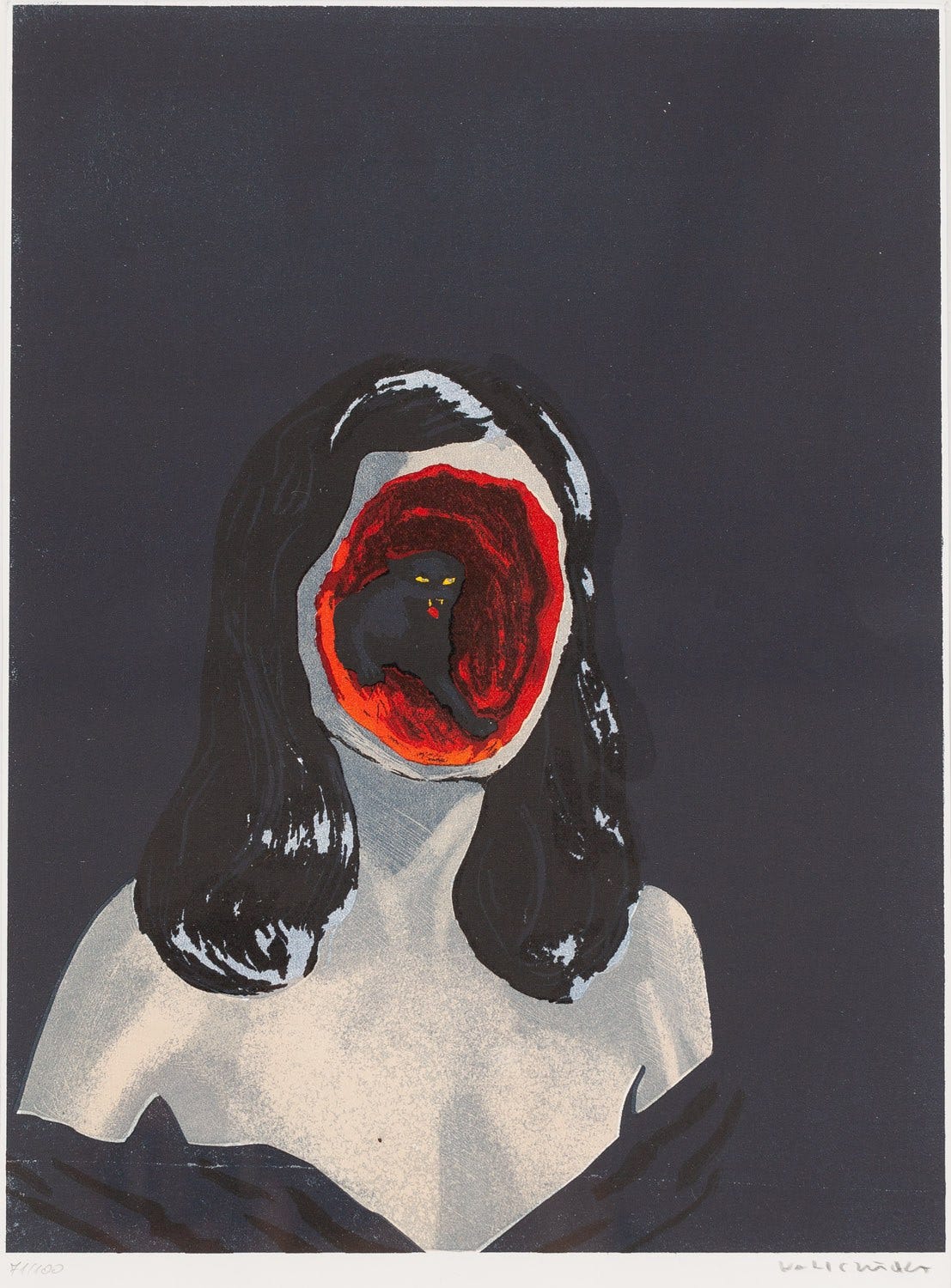
Small, intense paintings of monsters, cats, demons, and supernatural beings. I wish I had found her work when I was looking for an image to pair with The Master and the Margarita.
49. John William Waterhouse (1849–1917, Rome, Italy / London, England)
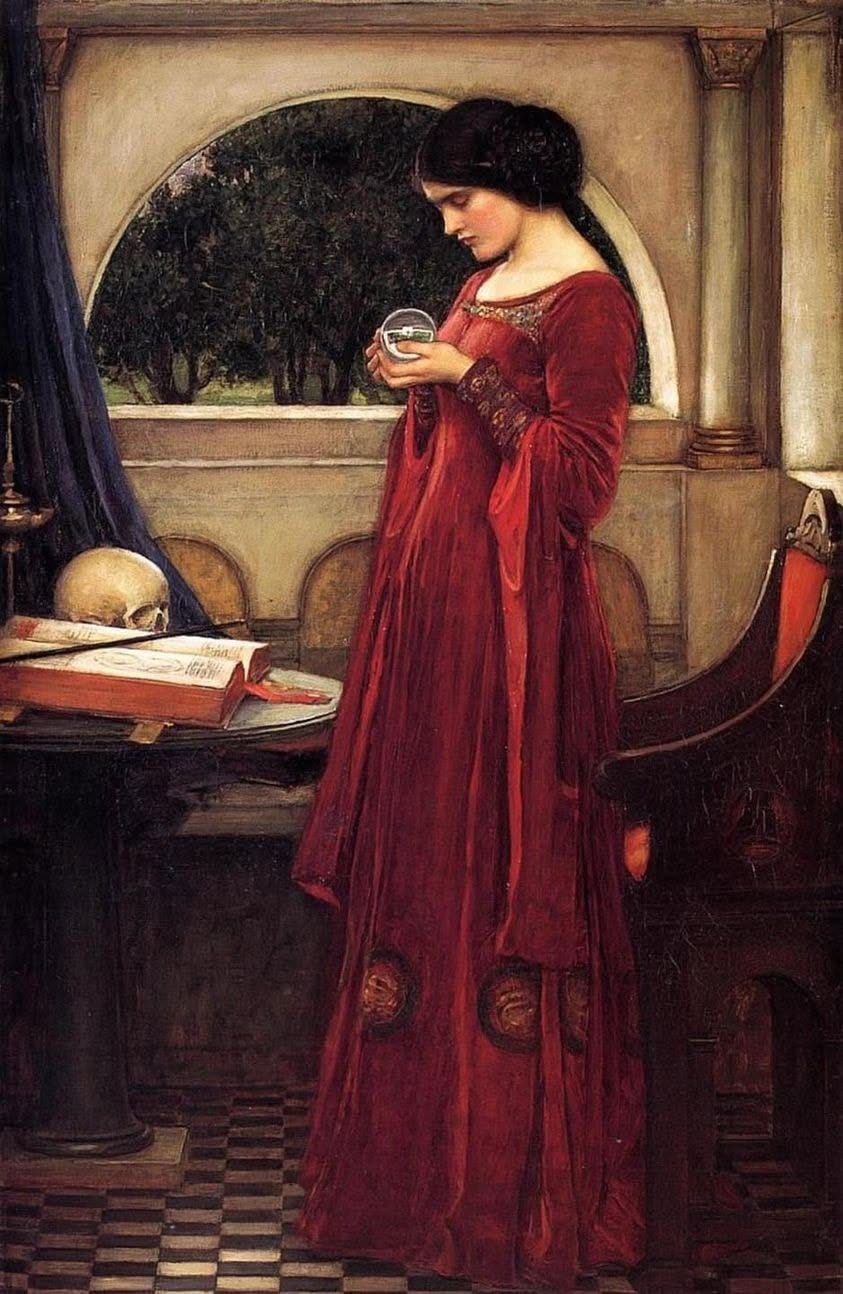
I’ve got a story coming about the Pre-Raphaelite witches (in the dreaming stage, not written yet). So you will be hearing more about him.
50. Georg Wilson (living, British)
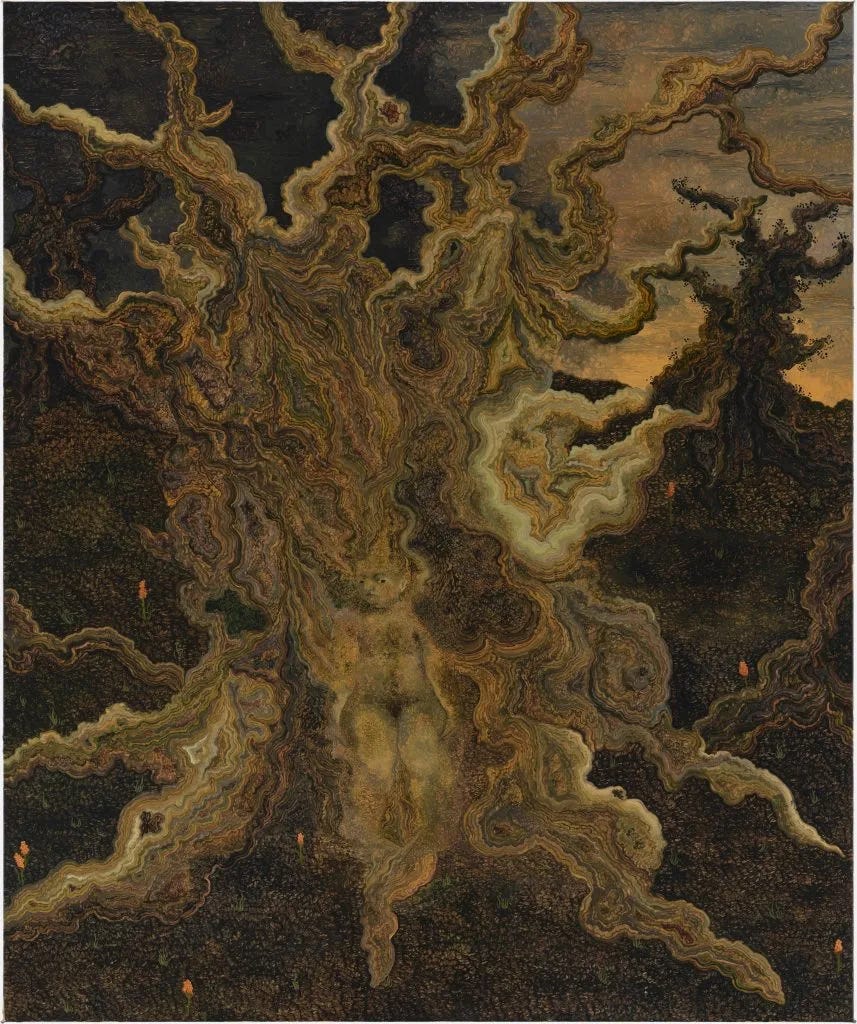
A great contemporary artist to end on. I absolutely adore her dark, strange, fantastical worlds. I would love to collect one of her pieces.
In LES news…
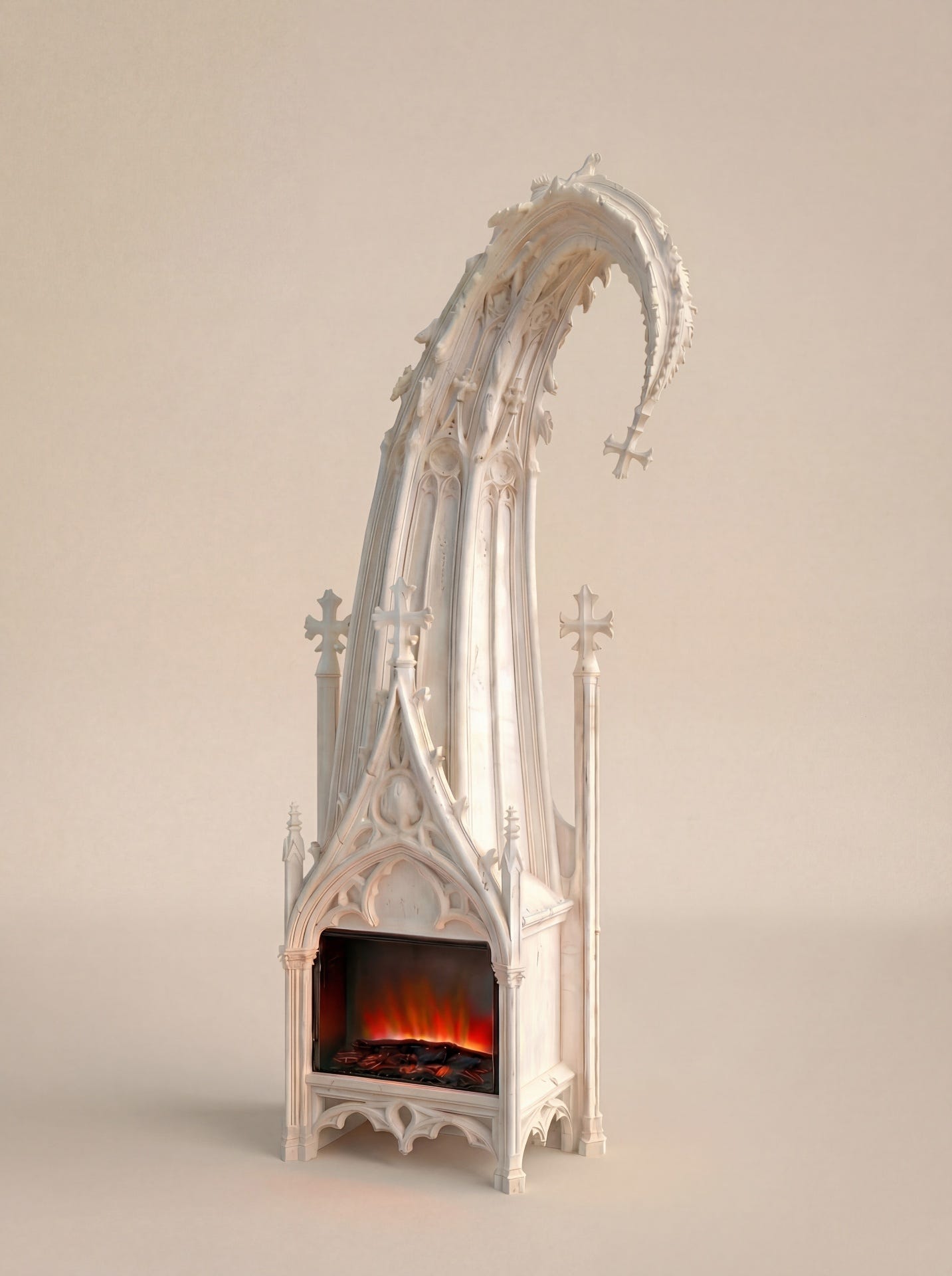
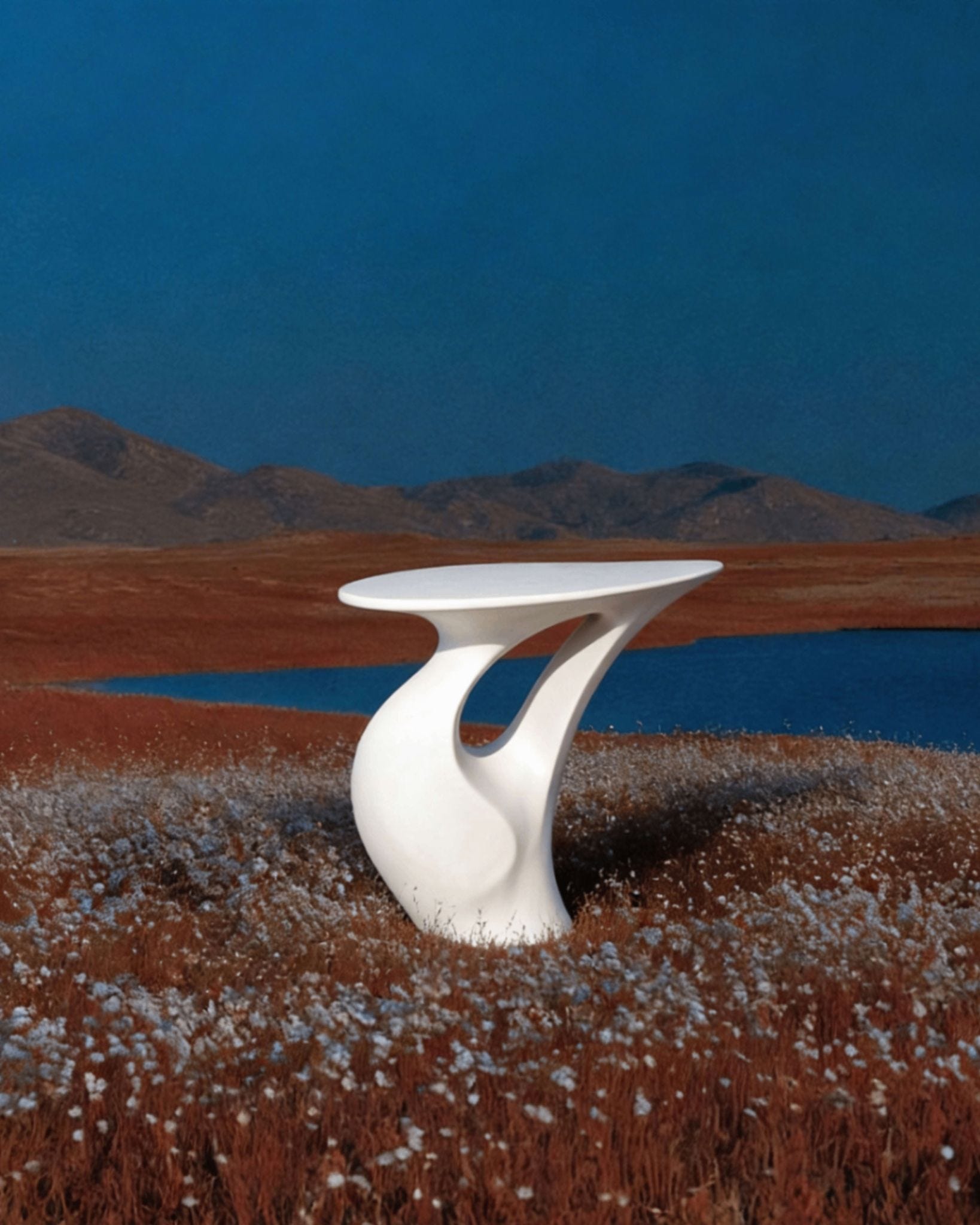
I am thrilled to share our (and sometimes Gothic) new artist, Joey Aji
That’s all for today! This story was such a pleasure to put together! Let me know if there is a particular favorite of yours on this list, or one you think I would love! And be sure to share this with your Gothic/art-loving friends and community!
Don’t forget to hit that heart! It helps more than you know. If you liked this, please subscribe, share it with a friend, and leave a comment! For more creativity, you can follow me on IG and explore years of art and design articles on the LES Journal
Keep Reading…
Academic Autumn Reading List

It’s back-to-school season! I’m excited! Are you excited? JK, I’m exceedingly forlorn about the end of summer, but I’m trying to pump myself up because summer ends whether we like it or not.
A Massive Guide to the NYC Fall Art Scene

For me, back-to-school these days really means back to work. It’s not that I don’t work in the summer (I do, I promise)—it’s just a different kind of work. I spent the summer in the Finger Lakes writing, reading, checking in with my team, and planning for the year ahead. I’m often outside, in the lake, reading by the water, or out wakesurfing. If I’m inside, it’s in my library, surrounded by art and design books. I see family and childhood friends. There’s a revolving door of overnight guests.
The Big List of Whimsical Artists

Whimsy is the word of the moment. It’s taken over our content and seeped into our homes, closets, kitchens, and rituals. Everywhere you look, someone is decoding the art of ‘living whimsically.’ And honestly? I am 100% here for it.
Wish I could find some Arab or Egyptian artists with gothic elements in their work. I’m sure there are!! If anyone knows please let me know!!
Giotto is an early renaissance painter - considered one of the first “naturalists” incorporating real material life introducing new pigments and colors like green into post Byzantine aesthetic! Great story on him regarding the influence of the naturalists in Italy when the renaissance was happening!